

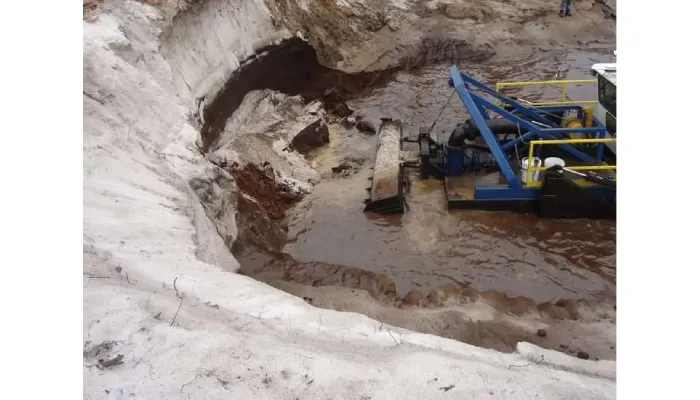
Using a sand dredge in construction offers numerous benefits that make it an attractive option for many projects. First off, sand dredges efficiently extract large quantities of sand from rivers or lakes, saving time during material sourcing. This reduces costs too since using natural sources cuts down on transportation expenses. Additionally, sand dredging is versatile; it’s useful not just in construction but also for land reclamation and maintaining waterways. When done correctly, it can even help improve environmental conditions by managing sedimentation and supporting local economies through job creation. Overall, the advantages make sand dredges essential in modern construction practices.
1. Efficient Material Extraction with Sand Dredges
Sand dredge are specially designed machines that excel at extracting sand and other materials from bodies of water, like rivers and lakes. This specialized design allows for the rapid collection of large quantities of sand, which is essential for construction projects that require a consistent supply of materials. For instance, when a construction company needs sand for concrete or fill, using a dredge can significantly speed up the process, ensuring that projects stay on schedule. Furthermore, this efficiency translates into lower costs, as the quick extraction minimizes downtime and reduces the need for extensive transportation of materials, making sand dredges a vital asset in construction.

2. Cost-Effectiveness of Sand Dredging
Using a sand dredge can significantly cut costs for construction projects. When sand is sourced directly from nearby rivers or lakes, it eliminates the need for long-distance transportation, which can be a major expense. For example, instead of trucking sand from a quarry many miles away, a construction site can utilize a dredge to access sand right at the water’s edge. Additionally, the speed of extraction allows projects to stay on schedule, minimizing delays that can lead to increased labor costs. This cost-effectiveness makes sand dredging an attractive option for builders looking to maximize their budget.
3. Versatility of Sand Dredges in Various Applications
Sand dredges offer remarkable versatility, making them essential tools in various construction and civil engineering projects. Beyond simply extracting sand for building materials, they can be utilized for land reclamation, which involves creating new land from oceans, riverbeds, or lakes. This process is crucial for expanding urban areas or developing new infrastructure. Furthermore, sand dredges play a vital role in beach nourishment, where they help replenish eroded shorelines, thus protecting coastal communities from storm surges and enhancing recreational areas.
In addition, sand dredging is instrumental in maintaining navigation channels. By removing sediment buildup, dredges ensure that waterways remain navigable for shipping and boating, which is vital for trade and tourism. This adaptability allows construction projects to proceed smoothly, even in challenging environments. For instance, a dredge can be used in both shallow and deep waters, making it suitable for various geographical locations and construction needs. The ability to switch between different applications illustrates how sand dredges can effectively support multiple aspects of civil engineering, ultimately contributing to the success and efficiency of construction projects.
4. Environmental Management Benefits of Dredging
When sand dredging is conducted with care, it offers significant environmental management advantages. One of the critical benefits is the control of sedimentation in waterways. Excessive sediment can lead to poor water quality and negatively impact aquatic ecosystems. By removing this sediment, dredging can enhance habitats for fish and other wildlife, ultimately promoting biodiversity. Additionally, managing sediment helps prevent flooding by maintaining proper water flow and reducing the risk of erosion along riverbanks and shorelines. For instance, in areas prone to flooding, strategic dredging can lower water levels and mitigate potential damage during heavy rains. Furthermore, dredging can be part of restoration projects, where it helps rejuvenate degraded ecosystems by creating new habitats. This not only supports wildlife but also improves the overall health of the environment.
- Improves water quality by removing pollutants
- Enhances habitat for aquatic organisms
- Reduces sedimentation rates in waterways
- Supports navigation by maintaining channel depth
- Aids in flood risk management through effective water flow
- Promotes ecological restoration of affected areas
- Provides opportunities for recreational activities and tourism
5. Quality of Materials from Dredged Sand
The quality of materials extracted from dredged sand can greatly influence the success of construction projects. Dredged sand often comes from specific locations known for their desirable grain size and composition. For instance, sand sourced from riverbeds may have a fine texture, making it ideal for concrete production, while sand from coastal areas can provide excellent drainage properties for landscaping projects. This targeted extraction ensures that the sand meets the specific requirements of various applications, enhancing the overall integrity and durability of the structures being built. Furthermore, using high-quality dredged sand can lead to fewer issues in the long run, such as cracking or settling, ultimately saving time and costs associated with repairs or rework. The ability to choose the right dredging site is crucial for obtaining the best materials, making sand dredges a valuable asset in construction.
6. Speed of Operation in Construction Projects
Sand dredges are designed for high efficiency, allowing them to operate continuously and extract materials at a rapid pace. This speed is crucial for construction projects that are often on tight schedules. For instance, a sand dredge can remove a significant amount of sand from a riverbed in a short time, which can be essential for projects such as building foundations or creating roadways. The ability to quickly gather materials means that construction timelines can be adhered to more strictly, reducing delays that can arise from waiting for material delivery. This efficiency not only accelerates project timelines but also enhances overall productivity, enabling construction teams to focus on other critical tasks.
7. Reducing Labor Costs through Mechanization
Using a sand dredge in construction significantly reduces labor costs by automating the extraction process. Traditional methods of sand collection often require a large workforce to handle heavy equipment and materials manually. In contrast, sand dredges are designed to operate with minimal human intervention, allowing a small team to manage the operation efficiently. For instance, a single dredge can extract hundreds of tons of sand in a day, which would take multiple workers several days to achieve using manual methods. This mechanization not only cuts down on labor costs but also minimizes the potential for workplace injuries that can arise from heavy lifting and strenuous manual labor. By shifting to dredging, construction companies can allocate their workforce to more specialized tasks, further enhancing overall productivity and cost efficiency.
8. Adaptability of Dredges to Different Environments
Sand dredges are remarkably adaptable, allowing them to function efficiently in a range of environments. Whether in shallow rivers or deep lakes, dredges can be adjusted for various water depths and conditions. For instance, a dredge can operate in estuaries where water levels change dramatically with tides, making it suitable for projects that require consistent material extraction regardless of environmental fluctuations. This adaptability is crucial in construction scenarios where the project site may experience varying conditions. Furthermore, dredges can be equipped with specialized attachments to handle different types of sediment, from fine sand to coarse gravel, which enhances their usability in diverse construction applications. This versatility ensures that construction projects can maintain momentum without being hampered by environmental limitations.
9. Minimizing Land Disruption during Dredging
Using sand dredges in construction helps to minimize land disruption, which is vital in urban areas where space is limited and environmental impact must be carefully managed. Traditional methods of sand extraction can lead to significant land alteration, including deforestation and habitat destruction. In contrast, dredging allows for underwater material extraction, reducing the need for extensive land clearing. For example, when dredging in rivers, the operation can often be performed without disturbing the nearby land or ecosystems. This method is particularly beneficial in sensitive environments, allowing construction projects to proceed while preserving the surrounding landscape. Furthermore, modern dredging techniques are designed to limit sediment displacement, which can help maintain the natural flow of waterways and protect local wildlife. By keeping land disruption to a minimum, sand dredging supports sustainable development and helps maintain the ecological balance in construction zones.
10. Role of Sand Dredging in Infrastructure Development
Sand dredging plays a significant role in infrastructure development by providing essential materials for various construction projects. For instance, the construction of roads, bridges, and buildings heavily relies on the availability of sand. This natural resource is a primary component in concrete and asphalt, making it critical for developing durable infrastructure. Additionally, dredged sand can be used for land reclamation projects, where new land is created from water bodies for urban development or industrial use. By ensuring a steady supply of high-quality sand, dredging operations help prevent delays in construction timelines due to material shortages. In coastal areas, dredged sand is often used for beach nourishment, which not only enhances the aesthetic appeal of the shoreline but also provides protective barriers against storm surges, contributing to the overall resilience of coastal infrastructure.
11. Compliance with Environmental Regulations
Compliance with environmental regulations is crucial for any dredging operation. As governments and organizations emphasize sustainability, construction companies must adhere to regulations that protect waterways and surrounding ecosystems. Modern sand dredges are often designed with features that minimize environmental impact, such as reduced noise and emissions. For instance, using equipment that complies with the Clean Water Act can prevent water contamination during dredging activities. By following these regulations, construction companies not only avoid legal issues but also promote responsible resource management. This commitment to environmental standards helps maintain the balance between development and conservation, ensuring that future generations can enjoy healthy ecosystems.
12. Supporting Local Economies through Dredging
Sand dredging plays a significant role in boosting local economies. When dredging operations are initiated, they create job opportunities for local workers in various roles, from equipment operators to support staff. This influx of jobs helps to reduce unemployment rates and stimulates economic growth in the community. For instance, a dredging project in a coastal town may hire local residents, providing them with stable income and enhancing their livelihoods. Additionally, local businesses that supply materials, machinery, and services required for dredging can also benefit. These businesses can see increased demand, leading to further job creation and economic stability. By investing in dredging projects, communities can not only improve their infrastructure but also foster a vibrant local economy that thrives on the resources and workforce available in the area.
13. Enhancing Aesthetic Appeal in Construction
Using dredged sand in construction can significantly enhance the aesthetic appeal of various projects. For instance, in landscaping, dredged sand can be used to create beautiful beaches, parks, and recreational areas. This not only improves the visual aspect but also adds value to the property and the surrounding community. When constructing features like decorative ponds or water features, high-quality dredged sand can provide a clean and attractive base. Additionally, in coastal areas, sand dredged for beach nourishment helps restore natural beauty while providing a functional recreational space for residents and tourists. The use of dredged sand allows architects and designers to realize their creative visions, ultimately contributing to more visually appealing construction projects.
14. Utilizing Advanced Technology in Dredging
Modern sand dredges are integrated with advanced technology that significantly enhances their efficiency and safety during operations. For instance, GPS systems enable precise dredging, ensuring that the right locations are targeted for material extraction. This not only maximizes the yield of sand but also minimizes the risk of environmental disruption. Additionally, many dredges now feature automated controls that facilitate better handling of the equipment, allowing operators to focus on monitoring and adjusting operations as needed. Real-time monitoring systems provide critical data about the dredging process, such as depth and material type, which helps in making informed decisions quickly. These technological advancements lead to more streamlined operations, reduce the likelihood of accidents, and improve overall productivity. For example, a construction project that employs a technologically advanced dredge can significantly reduce the time needed for material procurement, allowing for quicker project timelines and enhanced resource management.
15. Coastal Protection Contributions of Dredged Sand
Dredged sand plays a vital role in coastal protection efforts. When used to build levees or replenish eroded beaches, this sand helps to create natural barriers against storms and rising sea levels. For instance, in areas prone to hurricanes, dredged sand is often applied to reinforce coastlines, reducing the impact of storm surges and flooding. Additionally, beach nourishment projects, which involve adding dredged sand to beaches, not only restore lost shorelines but also provide recreational spaces for communities. This practice helps maintain the ecological balance of coastal environments by supporting local wildlife habitats, such as nesting sites for sea turtles. Overall, the use of dredged sand in coastal protection is a crucial strategy for preserving both human settlements and natural ecosystems.
16. Sustainable Construction Practices with Dredged Materials
Using dredged materials in construction supports sustainable practices by reducing the pressure on terrestrial sand sources. Traditional sand mining can lead to significant ecological damage, including habitat destruction and increased erosion. By sourcing sand from waterways, construction projects can limit the environmental impact associated with land-based extraction. For instance, dredged sand can be used for concrete production, enabling builders to meet their material needs without contributing to the degradation of local ecosystems. Moreover, utilizing dredged materials helps maintain natural waterway health, as dredging can prevent sediment buildup that disrupts aquatic habitats. This approach not only secures the necessary resources for construction but also promotes a balanced relationship with the environment.
Frequently Asked Questions
1. What is a sand dredge and how is it used in construction?
A sand dredge is a machine that removes sand from the bottom of rivers, lakes, or oceans for construction projects. It helps gather the right materials needed for building.
2. What are the main advantages of using a sand dredge in building projects?
Using a sand dredge in construction provides quick access to large amounts of sand, improves project efficiency, and ensures the quality of materials for better construction.
3. Is using a sand dredge environmentally friendly?
When done properly, sand dredging can be managed to minimize environmental impact, but it’s important to follow regulations and best practices to protect ecosystems.
4. Can a sand dredge be used for projects other than construction?
Yes, in addition to construction, sand dredges are often used for beach restoration, land reclamation, and creating ports or harbors.
5. What kind of maintenance does a sand dredge require?
A sand dredge needs regular maintenance, such as checking and repairing the machinery, cleaning filters, and ensuring safe operation to keep it working effectively.
TL;DR Using sand dredges in construction offers numerous benefits, including efficient material extraction, cost-effectiveness, versatility for various applications, and improved material quality. Dredging operations can be conducted quickly with minimal labor costs and land disruption while adhering to environmental regulations. Furthermore, dredging supports local economies and contributes to sustainable construction practices, making it a crucial component for infrastructure development and coastal protection.

Blake Frank is a marketer and tech enthusiast based in Idaho. With over 9 years of experience in the digital marketing industry, he has gained a wide range of knowledge and skills such as SEO, web design, and digital analytics. Blake is passionate about providing insights into how technology and marketing intersect to create successful marketing strategies. In his free time, he enjoys mountain biking and exploring the great outdoors.