
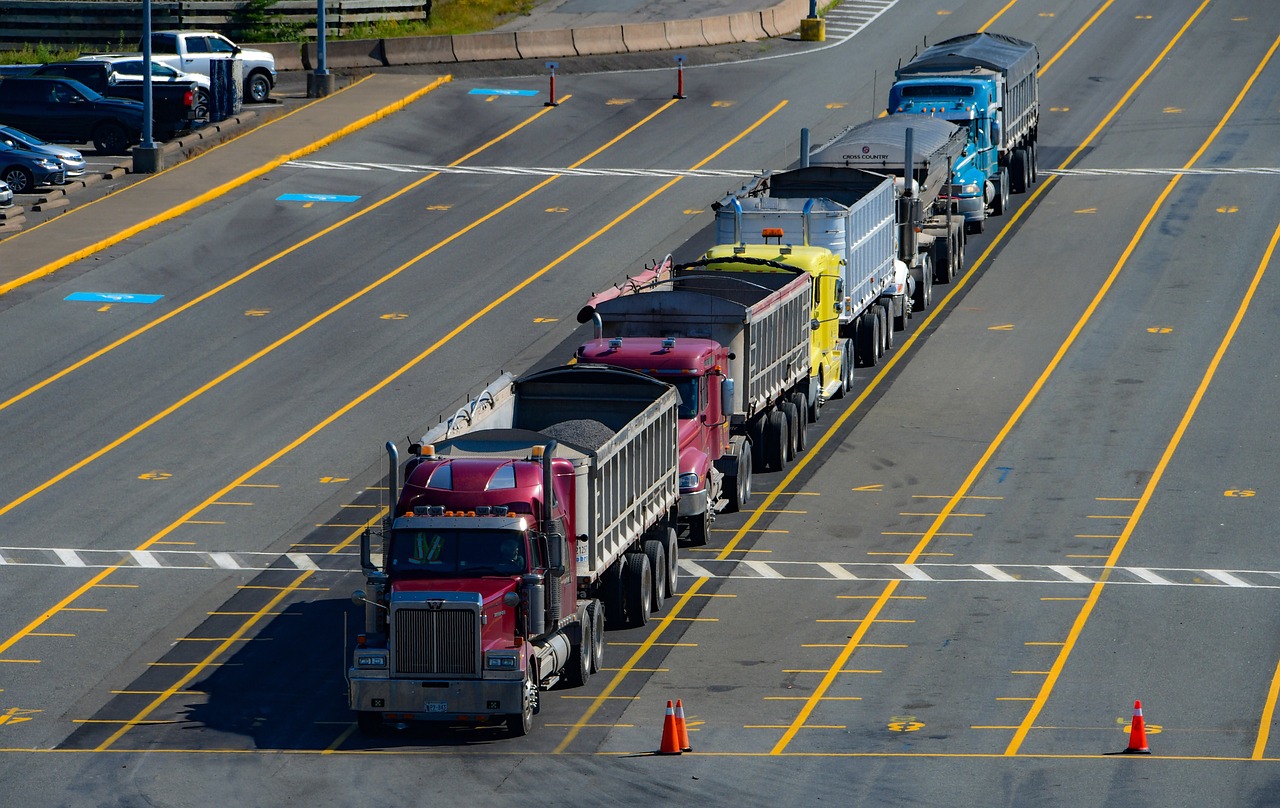
Canada's trucking and freight industry is the backbone of the national economy, connecting manufacturers, retailers, agricultural producers, and consumers across a vast geography that would be impossible to serve without reliable road transport. In 2026, trucking companies in Canada are navigating a complex environment defined by capacity constraints, regulatory changes, driver workforce dynamics, and the increasing expectations of shippers who demand real-time visibility, reliability, and competitive pricing.
For businesses that depend on freight movement, choosing the right trucking company is one of the most consequential supply chain decisions they make. This guide examines what separates high-performing Canadian trucking companies from the rest, what shippers should look for when evaluating carriers, and how the Canadian freight landscape is evolving.
The Canadian Trucking Landscape in 2026
Canada's trucking industry operates across a massive geography, moving goods between major population centers like Toronto, Montreal, Vancouver, Calgary, and Edmonton while also connecting smaller communities that rail and air freight cannot economically serve. The industry is diverse, encompassing everything from single-owner operators serving local markets to large national carriers operating thousands of trucks across international routes.
Cross-border freight with the United States remains a cornerstone of Canadian trucking activity. The Canada-US corridor is one of the busiest trade lanes in the world, and carriers with experience in cross-border documentation, customs compliance, and border crossing procedures provide significant value to shippers who move goods between the two countries regularly.
International trade lanes beyond North America have also grown in importance. Container freight moving between Canadian ports and manufacturing centers in India, China, and Latin America requires trucking companies with port drayage capabilities and experience managing intermodal handoffs. Carriers who can provide seamless service from port to final destination, rather than requiring shippers to coordinate multiple service providers, command a premium in the market.
The driver shortage that has affected Canadian trucking for years continues to shape the industry in 2026. Demographic factors, including an aging driver workforce and challenges attracting younger workers, have limited capacity growth and supported freight rates. Carriers that have invested in driver retention programs, competitive compensation, modern equipment, and positive working conditions have been more successful in maintaining capacity than those relying on transactional driver relationships.
What to Look for in a Trucking Company in Canada
Evaluating trucking companies for freight partnerships requires looking beyond price to assess the factors that determine service quality, reliability, and the ability to adapt when things do not go according to plan.
Safety record is a fundamental screening criterion. Canada's commercial carrier safety rating system provides an objective measure of a carrier's compliance history and safety performance. Carriers with satisfactory or conditional safety ratings, clean inspection records, and low accident rates have demonstrated the operational discipline that correlates with reliable service. Safety performance is also directly relevant to shipper liability exposure and insurance costs.
Equipment quality and fleet composition determine what a carrier can move and how reliably. Modern trailers with air ride suspension, temperature control capability, and logistics-friendly features like side doors and load bars provide more versatility and protection for cargo than aging equipment. Carriers that maintain their equipment proactively have lower breakdown rates and fewer delays than those running deferred maintenance programs.
Network coverage and lane density matter for shippers with multi-point distribution needs. A carrier with strong density in your specific lanes can offer better service frequency, faster transit times, and more competitive pricing than a carrier that views your lanes as backhaul opportunities. Understanding where a carrier is genuinely strong versus where they are reaching into unfamiliar territory is important for predicting service quality.
Technology and visibility capabilities have become table-stakes requirements for many shippers in 2026. Real-time GPS tracking, electronic proof of delivery, automated status notifications, and integration-friendly data systems are expected rather than exceptional features. Carriers who can provide shipment visibility through portals or API connections reduce the administrative burden on shipper teams and support better customer service performance for shipper's customers.
Long Haul Trucking in Canada: Capabilities and Considerations
Long haul trucking in Canada presents distinct operational challenges that require specific capabilities and experience. The distances involved, the climate extremes across different regions and seasons, and the regulatory requirements of operating across provincial and international borders all create complexity that experienced long haul carriers manage more effectively than those with primarily local or regional operations.
Hours of service regulations govern how long drivers can operate before mandatory rest periods. Understanding and complying with these regulations while still meeting shipper transit time expectations requires careful load planning, appropriate network design, and experienced dispatch operations. Carriers who violate hours of service rules to meet tight deadlines create safety risks and liability exposure for both themselves and their customers.
Seasonal road restrictions, including spring thaw weight restrictions that limit loads on many rural roads, require carriers with knowledge of applicable restrictions and the ability to adapt routing to avoid violations. Shippers moving agricultural inputs in spring or construction materials across rural routes need carriers who understand these restrictions and plan accordingly.
Winter operations across Canada's northern routes require equipment prepared for extreme cold, drivers experienced with winter driving conditions, and load securement practices appropriate for temperature-sensitive or hygroscopic cargo. Carriers with genuine experience operating through Canadian winters consistently outperform those learning the environment for the first time when conditions deteriorate.
Container Drayage and Port Operations
For businesses importing or exporting goods through Canadian ports, drayage service connecting ports to inland warehouses, distribution centers, and customer locations is a critical link in the supply chain. The quality of drayage service has direct impacts on container demurrage costs, warehouse receiving schedules, and ultimately customer service levels.
Port drayage is a specialized activity requiring drivers with CTPAT security clearances, chassis availability or management, port registration, and experience with terminal appointment systems. Not all trucking companies have the registrations, driver qualifications, and operational systems needed for efficient port drayage. Working with carriers who specialize in or have dedicated port operations teams produces better results than working with generalist carriers who treat drayage as an incidental activity.
Intermodal coordination adds another layer of complexity. Moving containers from ocean carrier to rail to truck final delivery requires clear communication across multiple parties, proactive tracking, and experienced problem resolution when schedules shift or equipment is unavailable. Carriers who have established relationships and communication processes with rail operators and terminal operators deliver more reliable intermodal service than those managing each move as a new challenge.
Choosing a Trucking Partner for Long-Term Success
The best freight partnerships go beyond transactional lane-by-lane pricing to create collaborative relationships where the carrier understands the shipper's business well enough to proactively support their supply chain goals. Carriers who invest in understanding their customers' seasonal patterns, customer service requirements, and growth plans can provide better support than those who treat each shipment as an isolated transaction.
Regular performance reviews, clear service level expectations, and open communication about capacity constraints and service challenges help both parties manage the relationship effectively. Shippers who treat their trucking partners as strategic suppliers rather than commodity vendors typically achieve better service outcomes and more favorable terms than those who rely solely on price pressure to manage the relationship.
For businesses across Canada looking for reliable freight and trucking solutions, working with an experienced Canadian carrier who combines national coverage, strong safety performance, and genuine service commitment makes a material difference to supply chain performance. Companies like S&R Trucking bring the Ontario-based expertise, cross-border capabilities, and container drayage experience that businesses need to move freight reliably across Canada and beyond.