

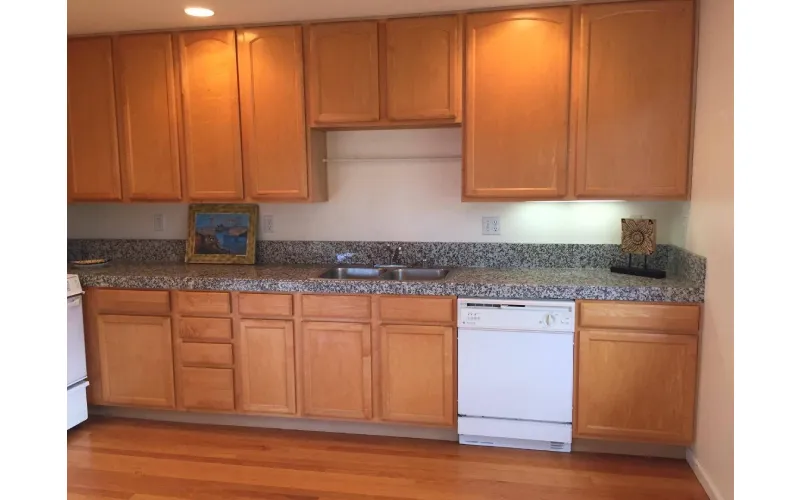
Navigating the Redwood City real estate market as a first-time buyer can feel overwhelming, but it doesn’t have to be. Start by understanding the diverse landscape, from luxury condos to family homes, while keeping in mind that ongoing developments make this area appealing for investment. Set a realistic budget by assessing your finances and getting pre-approved for a mortgage. Knowing your essential needs versus nice-to-haves will streamline your search. Engaging an experienced local agent is crucial; they’ll offer valuable insights and help you navigate negotiations and paperwork. Attend open houses to familiarize yourself with neighborhoods like Emerald Hills or Redwood Shores, ensuring you know what fits best before making an offer.
Set a Realistic Home Buying Budget
Before diving into the Redwood City real estate market, it’s crucial to set a realistic home buying budget. Start by assessing your financial situation: take a good look at your savings, income, and any debts you may have. Knowing how much you can afford will guide your search effectively.
Next, calculate your down payment. While 20% is the traditional benchmark, there are lower options available for first-time buyers that could make owning a home more accessible. For instance, some programs might allow for a down payment as low as 3% or 5%, depending on your financial profile.
Don’t forget to consider additional costs that come with homeownership. Property taxes, home insurance, and maintenance are all part of the equation. These expenses can add up quickly, so it’s wise to factor them into your budget. Online mortgage calculators can help provide estimates of your potential monthly payments, giving you a clearer picture of what you can handle financially.
Additionally, be aware of closing costs, which typically range from 2% to 5% of the home’s purchase price. This is an essential part of the home buying process that many first-time buyers overlook.
Once you’ve crunched the numbers, create a budget that includes both fixed expenses (like your mortgage) and variable expenses (such as utilities and upkeep). It’s also important to think ahead—consider your future financial goals, and how homeownership aligns with them. If you’re unsure about what works best for you, consulting with a financial advisor can be a helpful step. They can offer insights tailored to your specific situation.

Identify Your Must-Haves and Nice-to-Haves
When diving into the Redwood City real estate market, it’s crucial to differentiate between your must-haves and nice-to-haves. Must-haves are essential features that you can’t compromise on, such as the number of bedrooms or being close to reputable schools. Nice-to-haves, on the other hand, are desirable but not critical, like having a modern kitchen or a swimming pool. This distinction will streamline your home search, allowing you to focus on properties that truly fit your needs.
Start by making a list of features you desire in your new home, and rank them based on their importance. For instance, if you plan to start a family, the number of bedrooms and proximity to parks might be top priorities. Discuss this list with your family to ensure everyone’s needs are considered, which can help avoid future disagreements.
While it’s good to have a clear list, be prepared to adjust your priorities based on what the market offers. Maybe a home that’s a bit smaller than you wanted comes in a neighborhood you love. Think about long-term needs too; if you foresee a growing family, you might want extra space now rather than later.
Also, consider lifestyle preferences like walkability to shops or short commute times. These factors can significantly impact your daily life and overall satisfaction with your home. Lastly, keep in mind how certain features might affect resale value. A property with a great location and essential features is likely to appreciate better in the long run, making your investment worthwhile.
Invest in a Home Inspection
A home inspection is a crucial step for first-time buyers in Redwood City. It can reveal hidden problems like structural issues or faulty plumbing that could lead to costly repairs down the line. Using the inspection report, you can negotiate with the seller for repairs or even adjust the price based on what you discover. Make sure to hire a reputable inspector with solid reviews and credentials to ensure a thorough check. It’s also wise to attend the inspection yourself; this allows you to ask questions and gain insight into the home’s condition firsthand. Be aware of common issues that might arise in homes of a certain age or type, such as outdated electrical systems or roof wear. If necessary, consider additional inspections for pests or mold to cover all bases. Should any issues come up, factor potential repair costs into your budget. Skipping this step could lead to unexpected expenses later on, so make it a priority.
Prepare for the Closing Process
As you approach the finish line in your home buying journey, preparing for the closing process is crucial. Start by reviewing the closing disclosure document, which outlines all closing costs and loan terms. This will help you understand your financial obligations on closing day. Confirm the date and time of your closing appointment with all parties involved to avoid any last-minute confusion. Make sure you have gathered the necessary funds for closing costs, which typically include escrow fees, title insurance, and attorney fees.
Before closing, ensure your home insurance policy is in place, as most lenders require proof of insurance before they finalize the loan. Double-check that all required documents are ready, including your ID, purchase agreement, and loan documents. It’s also wise to do a final walk-through of the property to confirm it is in the agreed-upon condition. This is your last opportunity to spot any issues that might need addressing.
Communicate with your lender to finalize the funding process well before the closing date. Understanding the role of the title company is also important, as they will handle the legal aspects of the transaction and provide necessary documents. Don’t hesitate to ask your agent about any last-minute negotiations or adjustments that might affect the closing. Familiarizing yourself with the timeline of the closing process will help you manage your expectations and ensure a smooth transition into your new home.
- Review the closing disclosure document, which outlines closing costs and loan terms.
- Confirm the date and time of the closing appointment with all parties involved.
- Gather necessary funds for closing costs, often including escrow, title insurance, and attorney fees.
- Ensure that your home insurance policy is in place before closing.
- Double-check that all required documents are ready, including ID, purchase agreement, and loan documents.
- Walk through the property one last time to ensure it is in the agreed-upon condition.
- Communicate with your lender to finalize the funding process prior to closing.
- Understand the role of the title company and what they will provide at closing.
- Ask your agent about any last-minute negotiations or adjustments that may affect the closing.
- Familiarize yourself with the closing process timeline to manage expectations.
Leverage Financial Incentives for Buyers
As a first-time buyer in Redwood City, tapping into financial incentives can significantly ease your journey. Start by researching special loan programs that cater specifically to first-time buyers in certain zip codes. For example, programs like CalHFA can offer lower interest rates and down payment assistance. Additionally, look into grants or down payment assistance from local or state agencies, which can alleviate some of the financial burdens.
If you’re employed, check if your employer has a homebuyer assistance program. Many companies offer help to their employees to encourage them to buy homes in the area. Also, if you qualify for FHA or VA loans, these can provide favorable terms that make homeownership more accessible.
Staying updated on changes to local housing policies is crucial, as new incentives could emerge or existing ones might change. A conversation with your real estate agent can reveal potential tax benefits of owning a home, such as mortgage interest deductions, which can further enhance your financial picture.
Being proactive is key. Don’t hesitate to seek out all available resources and programs that can fit into your overall budget. By understanding these financial incentives and how they can work for you, you’ll be better equipped to navigate the Redwood City real estate market.
Stay Updated on Market Trends
To make informed decisions as a first-time buyer in Redwood City, staying updated on market trends is crucial. Start by signing up for market reports that provide insights into local real estate dynamics. These reports can help you understand price fluctuations and inventory levels, which are key indicators of market health. Following local real estate news is also beneficial; it keeps you informed about new developments and zoning changes that could impact property values.
Engaging with online forums or social media groups focused on Redwood City real estate can provide real-time discussions and tips from other buyers and sellers. Additionally, attending local community meetings allows you to hear about market developments firsthand and connect with residents who might share valuable insights.
Keep an eye on average home prices and inventory levels, and pay attention to seasonal trends in buying and selling. For instance, the market might slow down during the holidays, which could present unique buying opportunities. Tracking interest rates is equally important, as they significantly affect home affordability.
Utilize online tools and apps that provide real-time data and alerts, helping you stay ahead of the curve. Consulting with local experts can also clarify trends and give you a better understanding of how they relate to your housing goals. Regularly review your objectives and be ready to adjust them based on current market conditions.
Frequently Asked Questions
1. What should I know about the Redwood City neighborhoods?
Each neighborhood in Redwood City has its own character. Research areas like Downtown, Woodside Plaza, and Edgewood Park to find one that fits your lifestyle and needs.
2. How do I know if I’m ready to buy a home?
Look at your savings, job stability, and long-term plans. If you feel secure in these areas, it’s a good sign that you might be ready to buy.
3. What kind of loan options are available for first-time buyers?
First-time buyers can look into FHA loans, conventional loans, and even first-time buyer programs that offer lower down payments and better interest rates.
4. How do I find a good real estate agent in Redwood City?
Ask for referrals from friends or family, check online reviews, and interview potential agents to see who understands your needs and has experience in the area.
5. What are some common mistakes first-time buyers make?
Many first-time buyers rush into decisions, overlook hidden costs, or fail to get pre-approved for a mortgage. Taking your time and doing thorough research can help avoid these pitfalls.
TL;DR Navigating the Redwood City real estate market as a first-time buyer involves setting a realistic budget, identifying your essential features, and researching neighborhoods. Work with a local real estate agent, attend open houses, and define your non-negotiables. After making an offer, invest in a home inspection, secure financing, and prepare for the closing process. Be sure to leverage any financial incentives for buyers and stay updated on market trends to make informed decisions.

Blake Frank is a marketer and tech enthusiast based in Idaho. With over 9 years of experience in the digital marketing industry, he has gained a wide range of knowledge and skills such as SEO, web design, and digital analytics. Blake is passionate about providing insights into how technology and marketing intersect to create successful marketing strategies. In his free time, he enjoys mountain biking and exploring the great outdoors.