

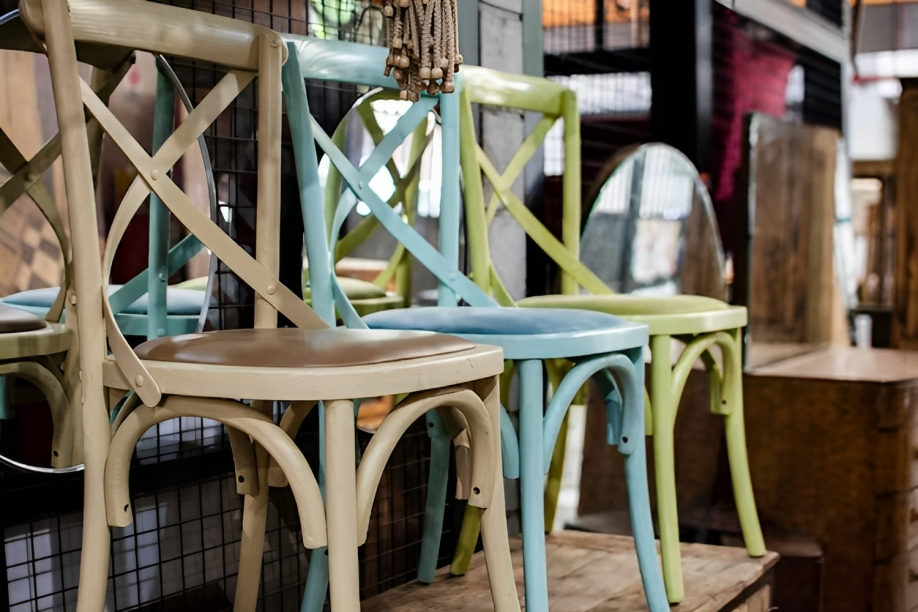
Shopping at a local second-hand furniture store isn’t just about acquiring furniture; it’s a journey filled with the thrill of discovery and the potential to transform your living spaces into unique reflections of your personality. Unlike traditional retail outlets, second hand furniture store offer a diverse assortment of furniture items, each with its own history, character, and charm. The experience of sifting through the aisles, uncovering hidden treasures, and envisioning how each piece could fit into your home is both exhilarating and fulfilling. Second-hand furniture shopping isn’t just a transaction; it’s an opportunity to curate your living environment with pieces that tell stories and evoke emotions. In this guide, we’ll explore the art of finding bargains at second-hand furniture stores, where the journey itself becomes a part of the reward.
Experience The Joy Of Shopping At A Local Second Hand Furniture Store
Stepping into a local second hand furniture store is an invitation to experience the joy of serendipity. Unlike conventional shopping, where items are carefully displayed and categorized, second-hand stores often provide an eclectic mix of styles and eras. It’s an environment where your imagination can run wild, where you might stumble upon a vintage gem tucked away in a corner or a one-of-a-kind piece that resonates with your aesthetics. The joy comes not only from finding the furniture you need but also from embracing the unexpected and embracing the stories each piece carries.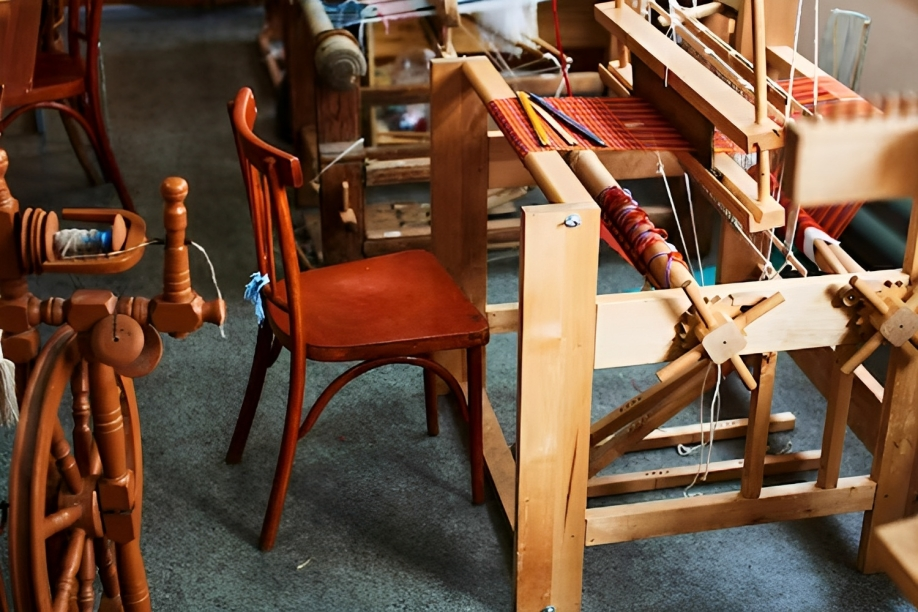
Understand What You’re Looking For: Knowing Your Style And Needs
Before embarking on your second-hand furniture adventure, take the time to understand your personal style and the specific needs of your living spaces. Whether you’re drawn to sleek modern lines, cozy rustic vibes, or elegant vintage designs, having a clear sense of your preferences will guide your search. Consider the dimensions of the spaces you’re furnishing and any specific functional requirements. This understanding will help you sift through the myriad options in the store more efficiently and recognize pieces that resonate with your vision.
Research Prices Before Shopping: Identifying Your Price Point
Walking into a second-hand furniture store armed with a general understanding of the price ranges for different types of items can empower you as a savvy shopper. Researching prices online or consulting price guides for similar pieces can prevent you from overpaying for an item that might not offer the value you expect. It also gives you the confidence to negotiate if necessary, ensuring that you secure the best possible deal for your chosen pieces.
Explore Different Avenues: Frequency Of Unique Finds
One of the captivating aspects of second-hand furniture shopping is the ever-changing inventory. These stores often receive items from various sources, ensuring a constant flow of fresh additions. To increase your chances of finding unique and remarkable bargains, consider making periodic visits. Some stores even have specific days for showcasing new arrivals. By exploring different avenues and revisiting the store regularly, you open yourself up to a world of unexpected discoveries.
Search For The Best Deals: Comparison Shopping
Bargain hunting isn’t just about finding a piece that catches your eye; it’s about securing the best deal possible. As you browse through the store, take the time to compare prices for similar items. Factors like condition, brand, and rarity can influence the pricing of second-hand furniture. Engaging in comparison shopping allows you to make well-informed decisions, ensuring that you’re getting the most value for your budget.
Consider Restoration: Turning A Bargain Into A Valuable Piece
Don’t be discouraged by items that might appear worn or in need of a little love. Often, these pieces come with lower price tags, presenting you with an opportunity to exercise your creativity and restoration skills. With a bit of effort and research, you can transform a neglected piece into a cherished gem. From refinishing surfaces to reupholstering seats, restoration not only enhances the aesthetic appeal but also adds a personal touch that elevates the value of the furniture.
Learn How To Negotiate: Getting The Best Price
Negotiation is a skill that can serve you well in the world of second-hand shopping. Many store owners are open to reasonable negotiations, especially if you’re respectful and polite. Be prepared to express your interest, ask questions, and propose offers that align with your budget. Remember that successful negotiations result in a win-win situation, where both parties feel satisfied with the outcome.
Conclusion
Navigating the realm of second-hand furniture stores is an art that combines creativity, research, and a keen eye for value. It’s a journey that transcends transactional exchanges, immersing you in the joy of exploration and the satisfaction of finding treasures that resonate with your style and needs. By understanding your preferences, researching prices, embracing the excitement of new arrivals, practicing comparison shopping, considering restoration potential, and honing your negotiation skills, you can make the most of your second-hand furniture shopping experience. Each piece you bring home becomes a testament to your individuality, a piece of history, and a reminder that true value transcends price tags.

Blake Frank is a marketer and tech enthusiast based in Idaho. With over 9 years of experience in the digital marketing industry, he has gained a wide range of knowledge and skills such as SEO, web design, and digital analytics. Blake is passionate about providing insights into how technology and marketing intersect to create successful marketing strategies. In his free time, he enjoys mountain biking and exploring the great outdoors.