
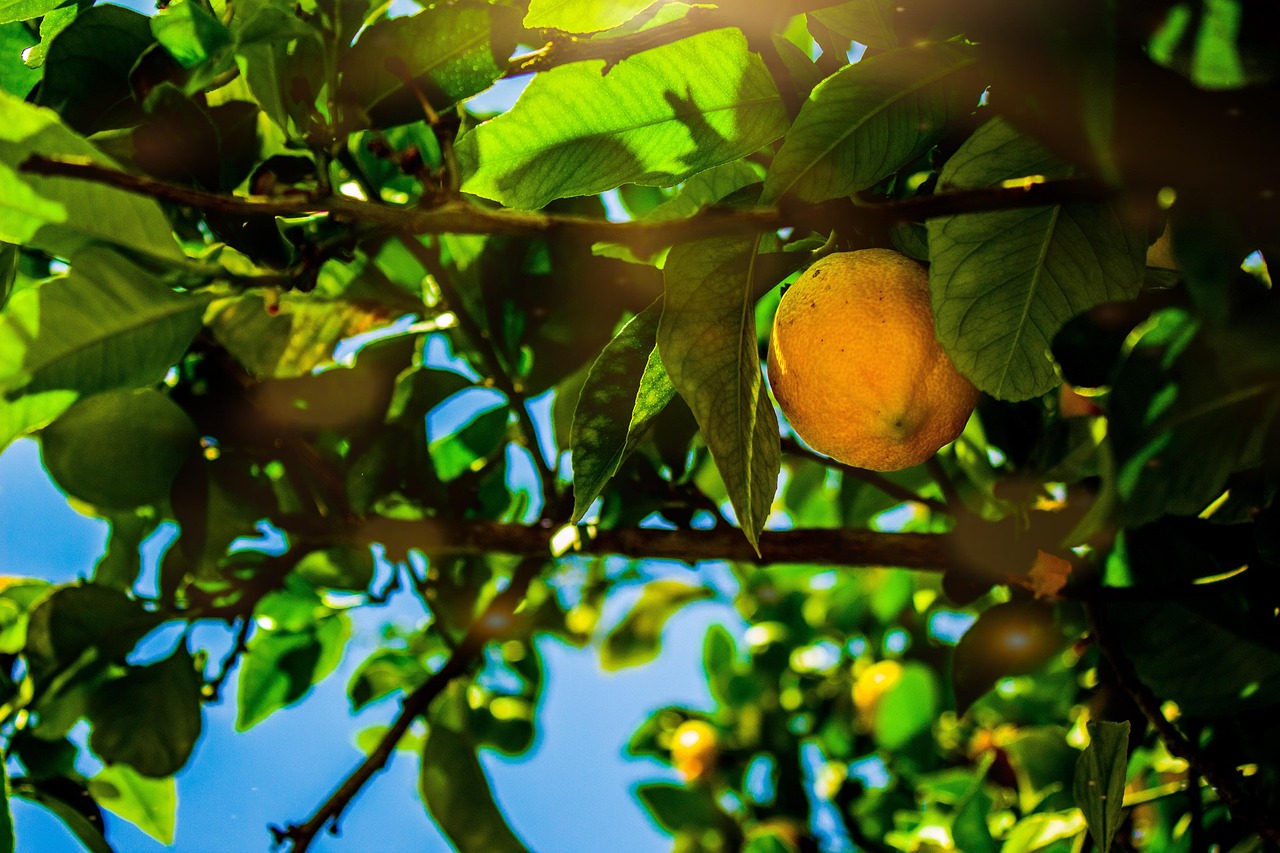
Growing citrus trees in a galvanized raised bed planter offers an innovative approach to cultivating these beloved fruit-bearing trees. This method not only maximizes space utilization but also presents an array of benefits for successful citrus cultivation. By creating a controlled environment, gardeners can optimize growth conditions, enhance drainage, and streamline maintenance practices. This guide delves into the intricacies of cultivating citrus trees in galvanized raised bed planters, covering topics ranging from soil requirements and fertilizing techniques to protection against extreme temperatures and proper tree training. Whether you're a seasoned gardener or a novice enthusiast, this comprehensive exploration will equip you with the knowledge and tools to embark on a fruitful journey of growing citrus trees with efficiency and success.
Get The Most Out Of Your Plant With A Galvanized Raised Bed Planter
Galvanized raised bed planters provide a versatile and durable solution for cultivating citrus trees. Their elevated design offers several advantages, including improved drainage, better soil aeration, and increased accessibility for maintenance. The contained environment of a raised bed allows for careful control of soil composition and water retention, enabling you to create an ideal habitat for healthy citrus growth. Whether you're limited by space or seeking to enhance your garden's aesthetics, utilizing galvanized raised bed planter can significantly contribute to the overall success of your citrus trees.
Fertilizing And Pruning Tips For Growing Citrus Trees
Fertilizing and pruning are essential practices for promoting robust citrus tree growth and bountiful fruit production. Understanding the specific nutritional needs of citrus trees is crucial for providing the right balance of nutrients throughout their development stages. Additionally, strategic pruning helps maintain an optimal canopy structure, allowing sunlight and air to penetrate evenly. This section delves into the intricacies of fertilization schedules, nutrient requirements, and effective pruning techniques to ensure your citrus trees thrive and flourish.
Protecting Your Citrus Tree In Temperatures Below 20°F
Cold temperatures can pose a significant threat to citrus trees, potentially leading to frost damage or even tree death. In regions where temperatures regularly drop below 20°F, it's crucial to implement protective measures to safeguard your citrus investment. From selecting cold-hardy citrus varieties to utilizing frost cloths and providing supplemental heat sources, this segment offers a comprehensive guide to mitigating the risks associated with freezing temperatures and ensuring the survival of your citrus trees even in the harshest winter conditions.
Citrus Training: How To Train Your Tree To Produce The Best Quality Fruit?
Proper tree training is a fundamental aspect of cultivating high-quality citrus fruits. Training techniques influence the tree's growth pattern, canopy structure, and fruit production. By understanding the principles of citrus tree training, you can guide your tree's development to optimize sunlight exposure, encourage strong branching, and facilitate efficient nutrient distribution. This section covers various training methods, such as open-center and central-leader pruning, and provides insights into choosing the most suitable training approach for your specific citrus variety.
Everything You Need To Know About Soil Requirements For A Raised Bed
The foundation of successful citrus cultivation lies in the quality of the soil within the raised bed planter. Proper soil preparation is essential for optimal root development, water retention, and nutrient absorption. From assessing soil pH and composition to incorporating organic matter and essential minerals, this portion of the guide delves into the nuances of creating an ideal soil environment that fosters vigorous citrus growth and abundant fruit production.
Improve Drainage With Organic Mulch And Gravel
Effective drainage is a critical factor in preventing waterlogged roots and soil compaction, both of which can harm citrus trees. Organic mulch and gravel play pivotal roles in enhancing drainage within a raised bed planter. Mulch not only retains soil moisture but also minimizes weed growth, while gravel promotes water movement and aeration. This section explains how to use these materials strategically to create a well-draining yet moisture-retentive environment, ensuring the overall health and vitality of your citrus trees.
Proper Irrigation Techniques For Growing Healthy Citrus Trees
Consistent and appropriate irrigation is vital for the well-being of citrus trees. Overwatering can lead to root rot, while underwatering can stress the tree and hinder its growth. This segment outlines various irrigation methods, such as drip systems and soaker hoses, and offers insights into determining the right watering frequency and duration. By mastering the art of proper irrigation, you can ensure that your citrus trees receive the optimal amount of moisture for their sustained health and development.
Conclusion
Incorporating galvanized raised bed planters into your citrus cultivation endeavors presents a host of advantages that can significantly contribute to the success of your endeavor. From optimizing soil conditions and drainage to mastering pruning and training techniques, this comprehensive guide equips you with the knowledge and tools to foster healthy citrus trees that yield flavorful and abundant fruits. By embracing the intricacies of citrus cultivation within the controlled environment of raised bed planters, you embark on a rewarding journey that combines innovation, sustainability, and the joy of nurturing thriving trees right in your backyard.