

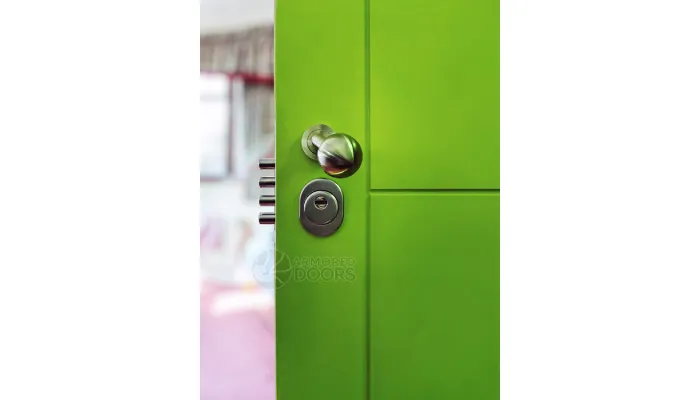
Having a residential safe room offers peace of mind by providing reliable protection against various threats. Built with reinforced materials following FEMA guidelines, these rooms withstand severe weather like tornadoes and hurricanes, reducing injury risks. They also serve as secure shelters during home invasions or civil unrest, using ballistic-resistant walls and hidden entrances to keep occupants safe. Equipped with ventilation, communication systems, and emergency supplies, safe rooms support not only physical safety but comfort too. For vulnerable individuals and families alike, they reduce anxiety during emergencies while potentially increasing property value. Overall, a safe room is a practical investment in safety and wellbeing for any household.
Near-Absolute Protection from Tornadoes and Hurricanes
Residential safe rooms provide a critical layer of protection during tornadoes and hurricanes by offering a secure refuge that greatly lowers the risk of injury or death. Constructed with reinforced concrete, steel, or other durable materials, safe rooms are designed to withstand extreme winds and flying debris that can cause severe damage to typical home structures. Following FEMA guidelines such as P-320 and P-361, these shelters meet strict standards to resist not only high winds but also sudden pressure changes and airborne hazards common during severe storms. Safe rooms are usually anchored firmly to the building’s foundation, which helps prevent structural failure and keeps the space intact even in the worst weather conditions. Located in basements or interior rooms without windows, they provide a nearly impenetrable space, equipped with impact-resistant doors and small, reinforced vents to ensure both protection and ventilation. This means families can remain inside their own home rather than evacuate, allowing them to quickly gather and shelter safely when severe weather warnings are issued. Meeting or exceeding local building codes, safe rooms offer reliable, proven safety that can make the difference between survival and tragedy during tornadoes and hurricanes.

Safe Rooms as Secure Refuge During Home Invasions
During a home invasion, a safe room offers a critical sanctuary that can mean the difference between harm and safety. Built with ballistic-resistant materials like steel, Kevlar, or ballistic fiberglass, these rooms are designed to stop forced entry and withstand gunfire or even explosives. The walls, ceilings, and doors are reinforced, making it extremely difficult for intruders to breach. Often, entrances are secured with multi-point locking systems or biometric locks, ensuring only authorized occupants can gain access. Many safe rooms feature hidden or disguised doors, such as bookcases or wall panels, keeping their location secret and adding an extra layer of protection. Inside, communication devices allow residents to quietly call police or security without exposing themselves to danger. Ventilation systems maintain airflow while preventing intruders from detecting anyone inside. Equipped with panic buttons and alarms that can integrate with a home’s security system, safe rooms support quick lockdown during unexpected threats. This secure space acts as a temporary refuge until help arrives, improving survival chances and providing peace of mind that you and your family have a protected place to retreat to if violent situations arise.
- Safe rooms use ballistic-resistant materials such as steel, Kevlar, or ballistic fiberglass to prevent forced entry.
- Walls, ceilings, and doors are reinforced to withstand attempts at breaching by intruders or gunfire.
- Multi-point locking systems and biometric locks secure entrances, preventing unauthorized access.
- Hidden or disguised doors, like bookcase or panel-style entrances, help keep the safe room’s location secret.
- Communication devices inside allow occupants to discreetly call police or security without leaving the safe room.
- Ventilation systems maintain airflow while preventing intruders from sensing occupants inside.
- Safe rooms protect occupants from explosives or impact blasts in violent situations.
- They provide a temporary holding space until help arrives, improving chances of survival.
- Safe rooms can be customized with panic buttons and alarms integrated into home security systems.
- The design supports quick access and lockdown during unexpected threats, providing peace of mind.
Shielding Against Civil Unrest and Terrorism Threats
Safe rooms offer crucial protection during times of civil unrest, riots, or terrorist threats by serving as secure, fortified spaces within a home or workplace. Constructed with blast-resistant armor and reinforced materials, these rooms can withstand explosions, thrown objects, and attempts at forced entry by large groups. Advanced air filtration systems keep occupants safe from chemical, biological, and radioactive contaminants, which may be present in certain attacks. Communication tools inside allow real-time contact with emergency responders or security teams, ensuring help is on the way without exposing those inside. Surveillance systems provide the ability to monitor outside conditions discreetly, giving occupants valuable information without risk. Inside, safe rooms are designed for extended stays, providing a controlled environment where families or employees can wait out volatile situations safely. In workplaces, safe rooms support executive protection and overall employee safety, adding an essential layer of defense during unpredictable or violent incidents. By creating a physical barrier against crowd surges, projectiles, and violent intrusions, safe rooms give occupants a reliable refuge when civil unrest or terrorism threatens their safety.
Using Safe Rooms for Medical Emergencies and First Aid
Safe rooms serve as vital spaces for handling medical emergencies at home by providing a clean, controlled environment stocked with first aid supplies, essential medications, and emergency medical kits. Their design often includes emergency lighting to ensure visibility when power is out or conditions are poor, allowing caregivers to attend to injuries or sudden illnesses without delay. Communication devices inside safe rooms enable occupants to contact paramedics or emergency services without leaving the secure area, which is especially important during situations where safety outside is compromised. Many safe rooms are spacious enough to accommodate stretchers or seating for patients who need rest or treatment, making them suitable for stabilizing individuals with chronic conditions or sudden medical crises during disasters or lockdowns. Proper ventilation and air filtration help maintain a healthy atmosphere, reducing the risk of infection or respiratory issues, while backup power systems support medical devices or life-support equipment when necessary. By offering a quiet, secure place to provide immediate care, safe rooms improve overall readiness for medical emergencies and can make a significant difference in outcomes before professional help arrives.
Comfort and Self-Sufficiency Features Inside Safe Rooms
A well-designed safe room goes beyond basic protection by including features that support comfort and self-sufficiency during extended stays. Ventilation and air filtration systems ensure occupants breathe clean air, filtering out smoke, chemicals, or biological contaminants, which is crucial during events like fires or chemical threats. Backup power sources such as batteries, generators, or solar panels keep essential systems running, including lighting, ventilation, and communication devices, even when the main power is out. Climate control options like HVAC vents, fans, or heaters help maintain a comfortable temperature, preventing discomfort or health risks from extreme heat or cold. Inside, emergency supplies such as non-perishable food, water, sanitation products, and first aid kits are organized in dedicated storage areas for easy access, helping occupants stay nourished and hygienic. Lighting is thoughtfully planned to provide clear visibility while conserving energy, including emergency backup lights that activate during power failures. Surveillance and monitoring systems let occupants safely observe outside conditions without exposing themselves, while communication equipment keeps them connected to emergency responders or family members. The space itself is designed to accommodate people comfortably for hours or even days, with sanitation solutions to maintain cleanliness and a layout that reduces stress and clutter. These features combine to make the safe room a reliable refuge that supports both physical safety and the basic needs of its occupants during uncertain situations.
Providing Security for Elderly and Vulnerable Family Members
Safe rooms offer a vital layer of protection tailored specifically for elderly and vulnerable family members, allowing them to stay safe during emergencies without depending on outside help. These spaces can be designed with accessibility in mind, featuring ramps, wide doorways, and comfortable seating to accommodate mobility challenges. For example, an elderly person with limited movement can remain secure in a safe room equipped with medical supplies and powered devices, reducing the risk of injury during natural disasters or violent events. Families with young children also benefit from having a contained, safe area where kids can be protected and comforted. Many safe rooms include emergency communication tools, allowing occupants to summon help quickly while staying inside the secure environment. Additionally, monitoring systems can provide peace of mind by letting family members check on vulnerable occupants remotely. By providing a controlled, accessible space, safe rooms help maintain independence for those who might otherwise be at higher risk, empowering them to stay calm and protected when threats arise.
Meeting Building Codes and Gaining Insurance Advantages
Building a safe room according to FEMA and ICC-500 standards ensures it meets local building codes, which is crucial for its reliability during emergencies. Following these guidelines guarantees that the safe room’s structure can withstand extreme forces, like high winds or impacts, providing real protection rather than just a feeling of safety. Proper permits and inspections during construction validate that the work complies with all legal requirements, helping homeowners avoid penalties or future complications.
Insurance companies recognize the value of certified safe rooms by often offering discounts or better coverage terms. When a safe room meets recognized standards, it reduces liability risks and supports faster claim processing if disaster strikes. For example, insurers may view homes with compliant safe rooms as lower risk, which can translate to savings on premiums. Having detailed documentation about your safe room’s features can also improve your home’s appraisal value and appeal to buyers who value safety.
Builders and contractors who follow these codes use approved materials and installation methods that meet safety benchmarks, ensuring durability and occupant protection. This compliance not only safeguards residents but also provides peace of mind that the investment is legally sound and financially protected. In short, meeting building codes through certified safe room construction offers both practical safety benefits and tangible financial advantages for homeowners.
Boosting Home Value with Discreet Safe Room Installation
Adding a safe room to a home can significantly increase its market value by introducing a high-level security feature that many buyers find attractive. Modern safe rooms are crafted to blend smoothly with existing interiors, using hidden doors or panels that keep them discreet and preserve the home’s aesthetic appeal. This subtlety allows homeowners to maintain design continuity while offering an additional layer of protection. Buyers interested in security, disaster preparedness, and privacy often view safe rooms as a valuable luxury or high-tech upgrade, helping a property stand out in competitive real estate markets. Customizable designs mean safe rooms can match the style and layout of any home, and professional installation ensures the process causes minimal disruption to both appearance and function. With a safe room, homeowners not only enhance safety but also add a unique and practical asset that can yield long-term financial benefits when it comes time to sell.
Options for Retrofitting or Including Safe Rooms in New Homes
Safe rooms offer flexible options for both existing homes and new constructions. In older homes, they can be retrofitted into closets, basements, or interior rooms without major disruptions. Using modular safe room kits makes installation quicker and less invasive, requiring minimal structural changes. Walls, ceilings, and doors can be reinforced with ballistic or impact-resistant materials to meet current protection standards. For new builds, safe rooms can be integrated into the original design, allowing optimal placement and anchoring directly to the foundation. This anchoring improves stability and resistance against extreme forces during disasters. Customization is key: safe rooms can be adapted to fit various home sizes and layouts, from urban apartments to rural houses. Homeowners can also upgrade existing safe rooms to comply with the latest safety guidelines. Builders often collaborate with security and construction experts to create tailored solutions that balance safety, convenience, and aesthetics. With these flexible design options, installing a safe room is a practical choice that fits many lifestyles and environments without sacrificing daily living comfort.
Reducing Stress and Enhancing Mental Well-Being in Emergencies
Safe rooms offer more than physical protection; they create a controlled space that helps ease anxiety during emergencies. Knowing there is a secure place to retreat to gives occupants a sense of control and readiness, which can significantly reduce feelings of fear and panic when disaster warnings are issued. This mental refuge supports calmness by providing comfort and security, allowing people to stay composed in stressful situations. Families benefit from having a dedicated safe room because it helps them stay together and organized, minimizing chaos and confusion when it matters most. Psychological studies show that sheltering safely in these spaces can lower stress hormone levels, improving the ability to cope with crises. Additionally, safe rooms encourage proactive emergency planning, fostering a mindset of preparedness rather than helplessness. Equipped with life-sustaining features like ventilation and provisions, they ease worries about extended lockdowns, further supporting emotional resilience. In short, safe rooms serve as mental havens that help occupants maintain clarity and calmness, making them a vital element for reducing stress and enhancing mental well-being during emergencies.
Resource URL:
https://www.armored-doors.com/safe-rooms
https://en.wikipedia.org/wiki/Safe_room

Blake Frank is a marketer and tech enthusiast based in Idaho. With over 9 years of experience in the digital marketing industry, he has gained a wide range of knowledge and skills such as SEO, web design, and digital analytics. Blake is passionate about providing insights into how technology and marketing intersect to create successful marketing strategies. In his free time, he enjoys mountain biking and exploring the great outdoors.