

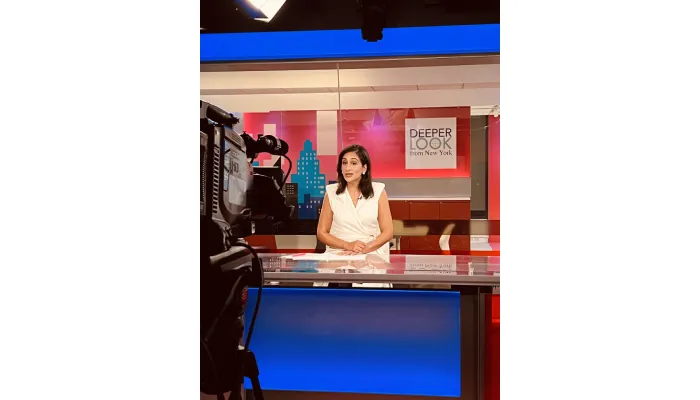
Improving your on-camera presence as a TV reporter takes a mix of preparation, authenticity, and technical setup. Start by imagining you’re speaking directly to one person to create a real connection, not just an audience. Keep eye contact with the camera lens to make viewers feel involved. It’s important to stay natural and let your style shine through instead of sounding rehearsed or robotic. Make sure your lighting is good and your background is clean; small technical details matter more than you might think. Practice regularly, warm up your voice, and don’t worry too much about mistakes; confidence grows over time as you get comfortable in front of the camera.
Bring Energy and Authenticity to the Camera
When you speak to the camera, imagine you’re talking to just one person. This helps create a direct, personal connection with viewers, making your delivery feel more genuine. Keep your eyes focused steadily on the lens; this steady eye contact simulates a natural conversation, which builds trust and keeps people engaged. Avoid sounding robotic by using a conversational tone that feels like everyday speech rather than a formal script. Authenticity comes through when you embrace interruptions or unexpected noises calmly instead of ignoring them, showing viewers you’re real and relatable. Developing your style matters too; don’t try to mimic others. Let your personality shine through in how you speak and carry yourself. Your body language should come naturally; genuine emotions will guide your gestures, so there’s no need to force anything. Vary your voice by adjusting pitch, volume, and tone to keep it interesting and clear, and control your speaking pace with a good balance of speed and pauses to hold attention. Dressing appropriately also supports your presence: choose clothing that reflects your professional image without distracting patterns or colors. Lastly, show enthusiasm and sincerity in your facial expressions and voice, which helps maintain viewer interest throughout your TV reporter.

Structure Your Message for Clear Impact
Start by pinpointing the main idea you want your viewers to take away and build your segment around that. Open with a clear promise, let your audience know what they’ll learn or gain by tuning in. Show that you understand their concerns or questions; this builds trust and makes your message more relatable. Explain what could happen if they ignore the information to underline why it matters. Then, highlight the positive outcomes they can expect if they follow your advice. Organize your content using simple frameworks like numbered lists or a problem-solution format to make it easy to follow. Keep your message focused and concise, avoiding information overload. Use clear transitions between points to guide viewers smoothly through your story. Mix your tone, blend seriousness with moments of light humor, to keep the delivery engaging and dynamic. Finally, wrap up with a strong summary or call to action that reinforces your key message and leaves a lasting impression.
Set Up Your Camera and Lighting Right
Using a high-quality external camera like the Logitech C920 can make a big difference in how clear and professional your video looks compared to a built-in laptop camera. Position your camera at eye level to create a natural view that feels more engaging and flattering to your audience. Proper lighting is key, soft, even light from ring lights or softboxes prevents harsh shadows and keeps your face well-lit without glare or bright spots. Aim to illuminate your face evenly to maintain a clean, polished look. Audio quality matters just as much as video, so invest in a good USB or lapel microphone for crisp, clear sound. Keep your background simple and uncluttered to avoid distractions and keep the focus on you; depending on your setting, a neutral or branded backdrop can reinforce your professional image. Frame yourself so your head and upper torso are visible with some space above your head, and adjust camera settings like white balance and exposure to match your lighting for natural colors. Always test your entire setup before going live or recording to ensure everything looks and sounds consistent, avoiding surprises that can affect your on-camera presence.
Build Confidence and Prepare Effectively
To improve your on-camera presence, building confidence through effective preparation is key. Instead of memorizing a full script, rehearse your key points so you can speak naturally and stay conversational. Vocal warm-ups like humming or lip trills help loosen your voice and improve clarity, while physical warm-ups such as neck rolls and shoulder stretches reduce tension and promote better posture. Starting your segment with a genuine smile sets a friendly tone and helps you appear approachable from the first frame. Regular practice in front of the camera familiarizes you with your delivery style and appearance, easing anxiety over time. Focus your mind on sharing valuable information rather than worrying about mistakes or how you look; minor slip-ups happen, and recovering smoothly without overthinking builds professionalism. Staying hydrated supports vocal strength, and if caffeine makes you jittery, it’s best to avoid it before filming. Using brief cue cards can keep you on track without sounding scripted, and applying breathing techniques like slow inhale-hold-exhale cycles calms nerves before and during your report. Accepting imperfections and persisting through initial awkwardness are essential steps toward a confident, natural on-camera presence.
Engage Your Audience with Storytelling
Starting your segment with a strong hook is key to grabbing your viewers’ attention right away. This could be a surprising fact, a thought-provoking question, or a brief, relatable story that sets the stage for what’s to come. When telling your story, imagine you’re speaking to one person instead of a large crowd; this helps build a more personal connection. Using personal anecdotes or relevant case studies makes your message relatable and easier to remember. Keep your delivery dynamic by varying your speed, tone, and volume, and use well-timed pauses to highlight important points. Visual aids like props, slides, or changes in background can also support your story and keep viewers interested. Speak in a conversational tone to make your audience feel included and engaged. Paint vivid scenes with descriptive language to help viewers picture the story in their minds, and build curiosity by pacing the information to keep them wanting more. Finally, wrap up with a clear call to action that encourages your audience to think, feel, or do something after watching. Practicing these storytelling techniques, like setting scenes and creating emotional arcs, will deepen the connection with your audience and make your on-camera presence more compelling.
Use Advanced Techniques to Improve Presence
Adding subtle hand gestures or small movements can inject energy into your delivery without distracting viewers. Simple microexpressions like a smile, a nod, or a slight eyebrow raise help convey warmth and keep the audience engaged. Try experimenting with different camera angles to find perspectives that flatter your features and add visual interest. Mastering the use of well-timed pauses can create anticipation and emphasize key points effectively. For a more polished look, consider multi-camera setups that allow switching between angles smoothly during live broadcasts or recordings. Adjust your energy level to fit the format: bring more enthusiasm for live segments and maintain controlled delivery for pre-recorded pieces. Pay attention to your background by managing colors, lighting, and props to avoid clutter and create a professional atmosphere. Experiment with lighting styles, including adjusting color temperature and shadows, to enhance your on-screen appearance. Developing a consistent personal style or brand makes you recognizable and memorable to your audience. Finally, practicing across different platforms and formats builds versatility and helps you adapt your presence to varied on-camera situations.
Frequently Asked Questions
1. What are some key habits to develop for better on-camera confidence as a TV reporter?
Building on-camera confidence involves regular practice, maintaining good posture, and rehearsing your key points ahead of time. It also helps to record yourself to review and improve your delivery, while focusing on breathing to stay calm under pressure.
2. How can I make my voice sound more engaging when reporting on TV?
To make your voice more engaging, vary your pitch and pace instead of speaking in a monotone. Practice clear enunciation, and use pauses strategically to emphasize important points. Hydrating well and avoiding strain will keep your voice strong and pleasant to hear.
3. What role does body language play in improving my on-screen presence?
Body language is critical: it communicates your confidence and connection with the audience. Use open gestures, maintain eye contact with the camera, and avoid fidgeting. Standing or sitting upright also projects professionalism and keeps viewers interested.
4. How important is preparation in enhancing my on-camera performance?
Preparation is crucial. Knowing your script and key facts helps reduce hesitation and boosts your confidence. It allows you to focus on delivery and connect naturally with viewers instead of worrying about what to say next.
5. How can I handle nervousness or mistakes while reporting live?
It’s normal to feel nervous. Focus on slow, deep breaths to calm yourself before going live. If you make a mistake, stay composed and keep going without drawing attention to it. Viewers appreciate a natural, steady reporter more than perfection.
TL;DR To improve your on-camera presence as a TV reporter, focus on bringing natural energy and authenticity by connecting with the camera like you’re speaking to one person. Structure your message clearly with a strong main idea and engaging storytelling techniques. Set up your camera and lighting carefully for a professional look, and use quality audio gear. Build confidence through rehearsal, vocal warm-ups, and breathing exercises while staying relaxed and approachable. Keep your audience engaged with varied tone, relatable stories, and clear calls to action. Finally, use advanced skills like subtle gestures, microexpressions, and dynamic camera angles to elevate your presence and create a memorable, polished broadcast.

Blake Frank is a marketer and tech enthusiast based in Idaho. With over 9 years of experience in the digital marketing industry, he has gained a wide range of knowledge and skills such as SEO, web design, and digital analytics. Blake is passionate about providing insights into how technology and marketing intersect to create successful marketing strategies. In his free time, he enjoys mountain biking and exploring the great outdoors.