

Introduction: A peaceful farewell on the ocean
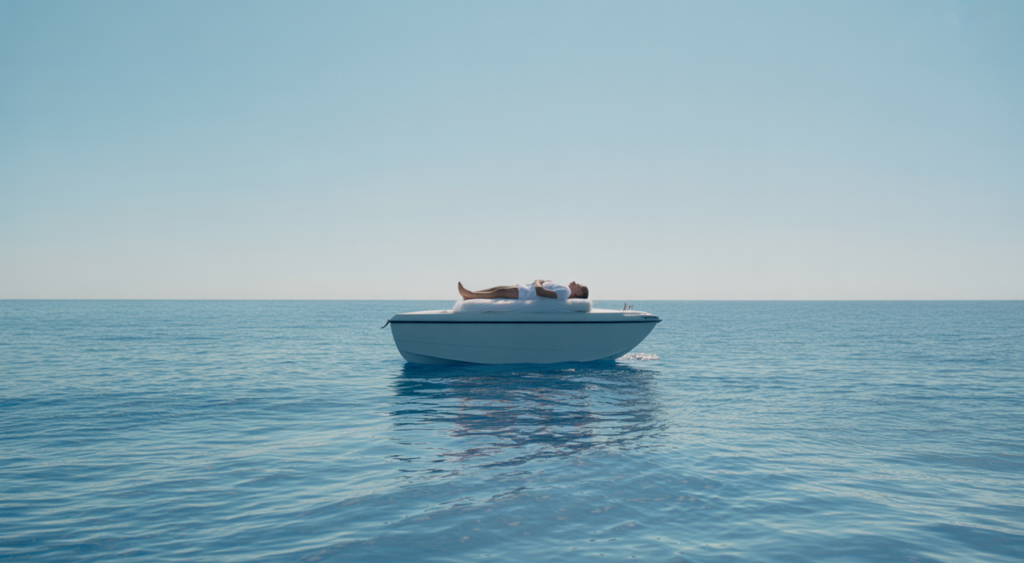
For many families, the ocean feels like home. Choosing a full body burial at sea southern california offers a calm, natural, and deeply symbolic farewell. The open water, soft breeze, and wide horizon can bring great comfort during a sensitive time.
This guide explains how these sea interments work along the Southern California coast. You will learn about the process, ports, costs, and key rules, so you can make calm and confident decisions for your loved one.
While this service is available to families worldwide, the details here focus on Southern California waters and how to plan everything smoothly from the first call to the final goodbye.
Why families choose full body burial at sea
A full body burial at sea feels very personal. The ceremony often happens on a private vessel with only close family and friends. The setting is quiet and respectful, away from busy city life.
Many also see ocean burial as a more natural option. There is no permanent land plot and no large structure to maintain. For those who loved sailing, fishing, or simply watching the waves, this kind of marine funeral service can reflect their life story beautifully.
In Southern California, the coastline is famous for clear skies, gentle weather on many days, and easy access from major cities. All this makes a full body ocean burial both practical and meaningful.
Where in Southern California can the ceremony take place?
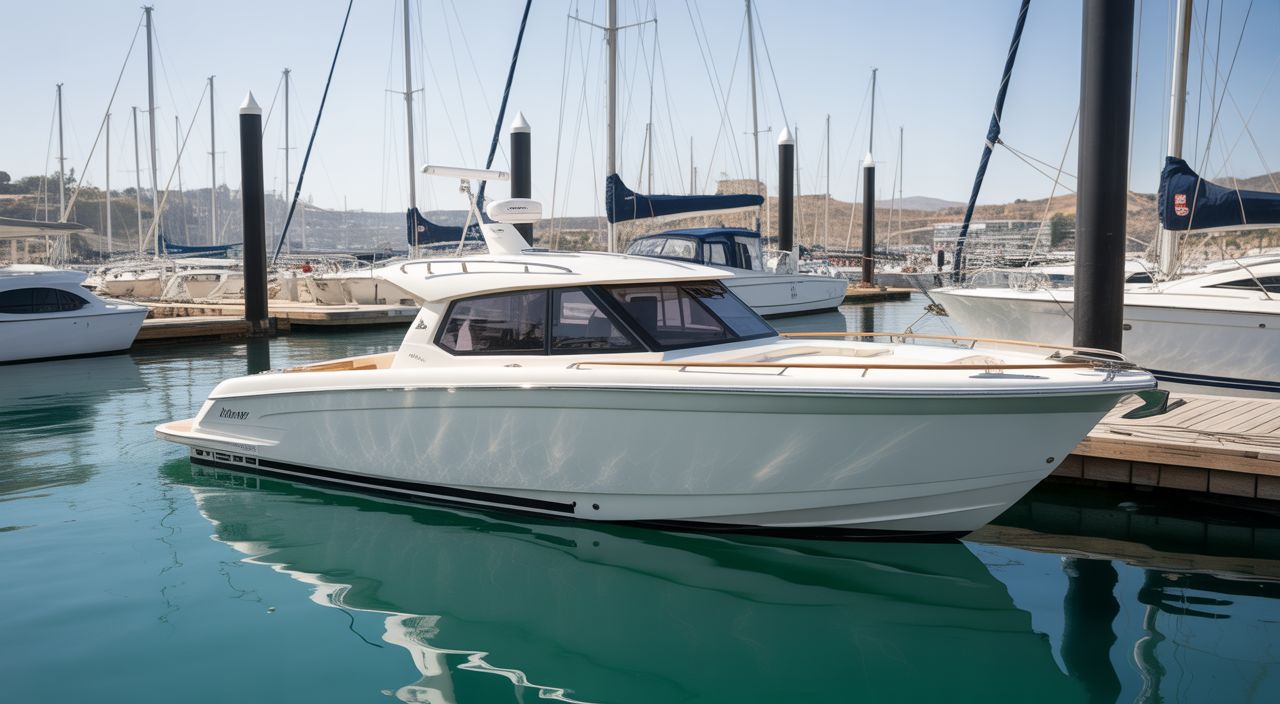
Providers can usually arrange departures from several well-known harbors and marinas. Common starting points include ports near major cities in Los Angeles County, Orange County, and San Diego County. This makes travel easier for families, even if they are coming from out of town.
The vessel sails to an approved location in federal waters, as required by law. This is normally a set distance away from shore and at a certain water depth, to match ocean protection rules.
When you speak with a coordinator, ask which marinas are available, what parking is like, and how long the round trip takes. These simple details help elderly relatives and children prepare for the day comfortably.
The step-by-step process for a full body burial at sea
While every family’s needs are unique, most services follow a clear and simple process. Here is what usually happens from start to finish.
1. Pre-ceremony planning
- Initial consultation: You share basic details such as preferred dates, number of guests, and any special wishes like prayers, readings, or music.
- Paperwork and permits: The provider helps with the sea burial permit for California, death certificate copies, and any state burial at sea permit requirements. This removes a big burden from the family.
- Scheduling the vessel: A suitable vessel is booked based on group size and preferred port. You receive timing, boarding instructions, and dress suggestions.
2. Onboard ceremony and marine interment
- Boarding: Guests arrive at the marina, meet the crew, and safely board the vessel. A brief safety talk is usually given in simple terms.
- Sailing to the site: The vessel travels to the approved ocean burial Southern California location. This is often a quiet time for reflection and prayer.
- The ceremony: An officiant or family member leads readings, blessings, or cultural rituals. Flowers, petals, or biodegradable items may be placed on the water.
- Commitment to the sea: The full body interment is completed using proper maritime methods that follow both safety and environmental rules.
3. After the ceremony
- Return to shore: The vessel gently returns to the marina. Many families use this time to share stories or stay quietly with their thoughts.
- Official record: You receive documents such as coordinates of the Southern California maritime burial site and any certificates that may be helpful for family records.
- Ongoing remembrance: Some families mark the coordinates on a map or globe at home as a lasting memorial.
Costs and what affects the price
Families often ask about “burial at sea California cost” early in their planning. Prices can vary, but it helps to know the main cost drivers so you can plan within your budget.
- Vessel charter: The size, comfort level, and duration on the water have a major impact on total cost.
- Permits and paperwork: These are usually handled by the provider and may be included or itemized.
- Officiant or clergy: Some families bring their own religious leader. Others request a non-religious celebrant through the provider.
- Extras: Flowers, live music, special catering, or video services can be added if desired.
When comparing providers for a full body burial at sea southern california, ask for a clear written quote. This should show what is included, what is optional, and any weekend or holiday differences. Transparency ensures there are no surprises for the family.
Key legal and environmental rules
Sea burials must follow both national and state regulations. Providers in Southern California are used to these rules and guide you through them quietly in the background.
- Distance from shore: National rules usually require the marine burial full body to take place in deep federal waters, a set distance from land.
- Biodegradable materials only: To support eco-friendly burial at sea, only items that break down naturally are allowed in the water.
- Official reporting: The provider files required notices with authorities after the ceremony, including exact coordinates of the ocean site.
These environmental guidelines protect marine life while still allowing a respectful and beautiful farewell.
Tips for Indian families coordinating from abroad
Many Indian families living in or outside the United States choose coastal funeral services in California, especially if relatives are settled there. Coordinating from abroad is very doable with the right planning.
- Choose a provider who is comfortable with long-distance communication and time zone differences.
- Use email and online calls to review paperwork and rituals in advance, including any faith-based customs.
- Plan travel and lodging early, especially during peak tourist seasons along the California coast.
For those also managing investments or business interests in India, it helps to stay organized. Resources on planning and budgeting, such as this guide on creating and managing flexible budgets, can support you in balancing emotional and financial decisions at the same time.
How to choose the right provider
Beyond price, look closely at experience and support. Check how many years they have been arranging Southern California sea funerals and what kind of feedback they receive from families.
Key questions to ask include:
- Which ports and marinas do you use, and how easy are they to reach?
- What is included in your standard package and what is extra?
- Can you help with cultural or religious customs important to our family?
- How do you handle weather changes or sea conditions?
Reading educational articles, such as those on making end-of-life arrangements feel simpler, can also give you helpful questions to bring up before you book.
FAQs about full body burial at sea in Southern California
Q1: How far in advance should we book a full body burial at sea southern california?
Answer: Booking at least one to two weeks in advance is ideal, especially if family members are flying in or you prefer a specific weekend. In some cases, providers can arrange a service more quickly, but more time gives you better choice of dates, vessels, and ports.
Q2: How many people can attend the vessel burial ceremony?
Answer: Group size depends on the vessel selected. Smaller boats may host 6 to 12 guests, while larger ones can welcome more. When you first contact the provider, share your expected headcount so they can suggest the right vessel type and keep everyone comfortable.
Q3: What should we bring to the ceremony?
Answer: Simple, respectful clothing, light jackets, sunglasses, and comfortable shoes are usually recommended. If allowed by local rules, you may bring fresh flowers or petals. Most providers request that you avoid plastic items or anything that does not break down naturally in the ocean.
Q4: Can we combine prayers, readings, and cultural rituals?
Answer: Yes, most providers are happy to support a blend of traditions, including readings in Indian languages, specific prayers, or quiet meditation times. It is helpful to share your plan in advance so the timing and flow of the ceremony work well on the water.

Blake Frank is a marketer and tech enthusiast based in Idaho. With over 9 years of experience in the digital marketing industry, he has gained a wide range of knowledge and skills such as SEO, web design, and digital analytics. Blake is passionate about providing insights into how technology and marketing intersect to create successful marketing strategies. In his free time, he enjoys mountain biking and exploring the great outdoors.
