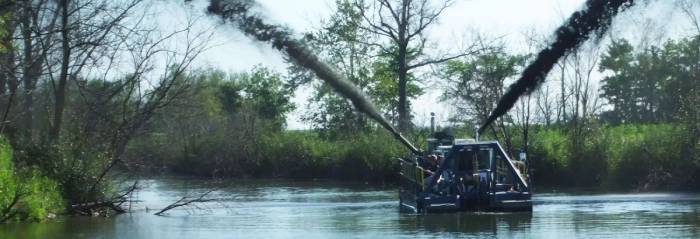
A hydraulic dredge is a powerful machine used to remove sand, silt, mud, or other sediment from the bottom of rivers, lakes, ports, ponds, and industrial basins. It uses water pressure and pumps to turn solid material into slurry, then moves that slurry through a pipeline to a disposal or reuse area.
Unlike traditional digging with buckets or cranes, a hydraulic system works continuously. The cutter or suction head loosens the material, a strong pump pulls it in with water, and a long pipeline carries it away. This smooth flow makes the process efficient, predictable, and easier to plan for large projects.
For Indian investors, this technology is linked to many growth areas: port expansion, river cleaning, power plant ash ponds, mining tailings, and real estate land reclamation. Understanding how it works helps you judge project costs, timelines, and long-term returns.
In India, hydraulic dredging is also aligned with policy priorities such as Sagarmala, inland waterways development, and urban lake rejuvenation programs. Investors who understand the technology can position themselves early in public–private partnerships, EPC contracts, and long-term O&M arrangements that often come with stable, multi-year cash flows.
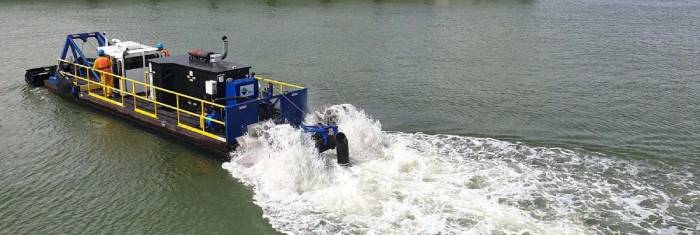
Key components of a modern hydraulic dredge
While designs vary, most systems share a few core parts. Knowing these helps you read spec sheets and talk confidently with suppliers or contractors.
- Cutter or suction head – This part loosens or sucks up the sediment. Cutter suction heads are used where material is compact or mixed with clay.
- Dredge pump – A heavy-duty slurry pump that moves the water and solids mixture. Pump performance has a big impact on fuel use and output.
- Power unit – Usually a diesel engine that drives the pump and other systems. Fuel efficiency directly affects operating cost.
- Pipeline dredging system – A series of pipes carrying slurry from the waterbody to a designated area like a containment pond or reclamation site.
- Control system – Modern units often include electronic controls and monitoring for flow rate, pressure, and depth, which reduce human error.
Some advanced models used in large Indian ports now integrate GPS positioning, density meters, and automated swing controls. These features allow contractors to document exact dredging depths for clients and government agencies, which improves billing transparency and reduces disputes over quantities removed.
Where hydraulic dredges create strong opportunities in India
India’s growth story depends heavily on infrastructure and water management. A well-chosen hydraulic dredge can support many profitable sectors.
- Ports and inland waterways – Regular sediment removal keeps draft levels safe for cargo ships and barges. This supports trade and reduces logistics costs.
- Urban lakes and reservoirs – Cleaning lakes boosts tourism, real estate prices, and local ecology. Municipalities often look for long-term contractors for this work.
- Power and industrial plants – Ash ponds and industrial waste lagoons need safe, efficient sediment removal. A reliable system helps plants stay compliant and productive.
- Mining and tailings – In mining, hydraulic dredging can reclaim valuable material from tailings ponds, turning waste into revenue.
- Real estate land reclamation – Coastal and riverfront projects sometimes need extra fill material. Dredged sand can be used to prepare new plots for development.
For a broader view of how industrial projects can generate returns, you can read this helpful overview on industrial waste recycling opportunities.
Hydraulic dredging also ties into environmental restoration – desilting of rivers to reduce flooding, restoring storage capacity of irrigation reservoirs, and cleaning polluted stretches near industrial clusters. These projects are often supported by central or state funding, multilateral agencies, or CSR budgets, opening structured and relatively low-risk avenues for private participation.
Hydraulic dredge vs mechanical dredging
Many decision-makers compare hydraulic systems with mechanical methods like grab cranes or excavators. Each has its place, but a hydraulic solution often wins for large, continuous projects.
- Continuous operation – Hydraulic equipment moves material non-stop through a pipeline, which suits big volumes and long distances.
- Cleaner shoreline – There is less truck movement near the water, reducing disturbance to local communities and banks.
- Better for slurry – Where material is soft or mixed with water, hydraulic dredging handles it more easily than excavators.
- Automation potential – Modern control systems help maintain stable output and reduce manpower needs over time.
Mechanical options may still be useful for very small areas or hard rock, but for most river, lake, and tailings projects, hydraulic methods offer better scale and consistency.
For Indian investors, this often translates into more predictable project timelines, fewer mobilization bottlenecks, and better compliance with environmental norms, all of which improve the bankability of dredging-related ventures.
Key performance metrics investors should watch
Before committing capital, it is wise to understand the numbers that drive earnings and costs. A few simple metrics go a long way.
- Production rate – Often measured in cubic meters per hour or tonnes per hour. Higher capacity means faster project completion, but also higher fuel use.
- Solids concentration – Percentage of solid material in the slurry. Higher solids mean more useful material per liter of water pumped, which improves efficiency.
- Fuel consumption per cubic meter – A core indicator of operating efficiency. It affects your margin directly.
- Availability / uptime – Percentage of scheduled time the equipment is ready to work. Good maintenance and quality parts push this number higher.
- Maximum discharge distance – Important when disposal or reclamation areas are far from the waterbody.
Investors evaluating Indian projects should also pay attention to contract structures: whether you are paid per cubic meter dredged, per running hour, or on a turnkey basis for achieving a specific depth. Each model shifts performance risk differently and should be reflected in your pricing and contingency planning.
Cost, ROI, and business models for Indian investors
Return on investment depends less on the sticker price and more on how you use the machine. There are three broad ways Indian investors can profit.
- Contract dredging services – You own the hydraulic dredge and provide complete services to government bodies, ports, industrial plants, or private developers.
- Equipment leasing – You purchase one or more units and lease them to contractors who do not want to buy their own machines.
- Integrated projects – You combine dredging with land development, mining, or waste management, creating value across the chain.
When planning ROI, always consider:
- Capex for the dredge, pipelines, support boats, and spares
- Fuel, crew salaries, and periodic maintenance
- Downtime buffer in your financial model
- Multi-year demand from recurring projects like port maintenance
For ideas on turning technical services into strong businesses, it can help to review guides on building profitable service models, such as this article on converting advisory work into a profitable service business.
Many Indian investors enter the space by partnering with experienced operators, while they focus on capital, compliance, and client relationships. Over time, as they better understand utilization patterns and seasonal demand (for example, pre-monsoon desilting), they may expand fleets, diversify across states, and negotiate longer-term framework agreements that stabilize cash flows.
Maintenance best practices to protect your investment
A well-maintained hydraulic dredge can run productively for many years. Good care keeps uptime high and supports a positive reputation in the market.
- Regular pump inspection – Check for wear on impellers and liners, especially when working with sand or abrasive slurry.
- Pipeline checks – Look for leaks, blockages, or excessive bends that reduce flow and increase pump load.
- Oil and filter schedules – Stick to a strict calendar for engines and hydraulic systems to avoid sudden failures.
- Operator training – Well-trained crews react early to unusual vibrations, pressure drops, or sound changes.
- Spare parts planning – Keeping critical spares on hand can reduce downtime when a part reaches the end of its life.
Some investors also use digital logs and simple dashboards to track operating hours and maintenance tasks, which keeps the team disciplined and transparent.
Adopting such practices is essential in India, where projects may run in remote or harsh environments and delays can attract penalties under public or private contracts. A clear maintenance plan, backed by OEM support and local technicians, protects both asset value and reputation.
How to choose the right hydraulic dredge for your project
Selection is not just about buying the biggest machine. A good match between equipment and site conditions saves money and time.
- Material type – Soft silt, sand, clay, and mine tailings behave differently. Discuss your material data with the manufacturer or contractor.
- Water depth and access – Shallow lakes, narrow canals, and wide rivers may require different hull forms or mounting systems.
- Disposal distance – Longer pipeline runs may require stronger pumps or booster stations.
- Power and fuel availability – In remote areas, fuel logistics and storage should be part of the planning.
- Local permits and guidelines – Understand regional environmental rules for turbidity, noise, and disposal before finalising capacity.
For Indian projects, it is often wise to account for monsoon variations, silt load patterns, and local labor skills when choosing automation levels and capacity. Matching equipment size to realistic annual working days helps avoid both under-utilization and chronic overloading of the dredge.
FAQs
Q1: How long does a hydraulic dredge typically last?
A well-built unit, operated correctly and maintained on schedule, can serve for 10–20 years or more. Components like pumps and pipelines will need replacement or rebuilding over time, but the main structure and systems can deliver value across many projects.
Q2: Is buying a hydraulic dredge better than hiring a contractor?
This depends on your strategy. If you expect regular, long-term dredging needs across several sites, ownership can provide strong returns and control. If your requirement is short-term or occasional, partnering with a specialist contractor may keep your capital free for other investments.

Blake Frank is a marketer and tech enthusiast based in Idaho. With over 9 years of experience in the digital marketing industry, he has gained a wide range of knowledge and skills such as SEO, web design, and digital analytics. Blake is passionate about providing insights into how technology and marketing intersect to create successful marketing strategies. In his free time, he enjoys mountain biking and exploring the great outdoors.