

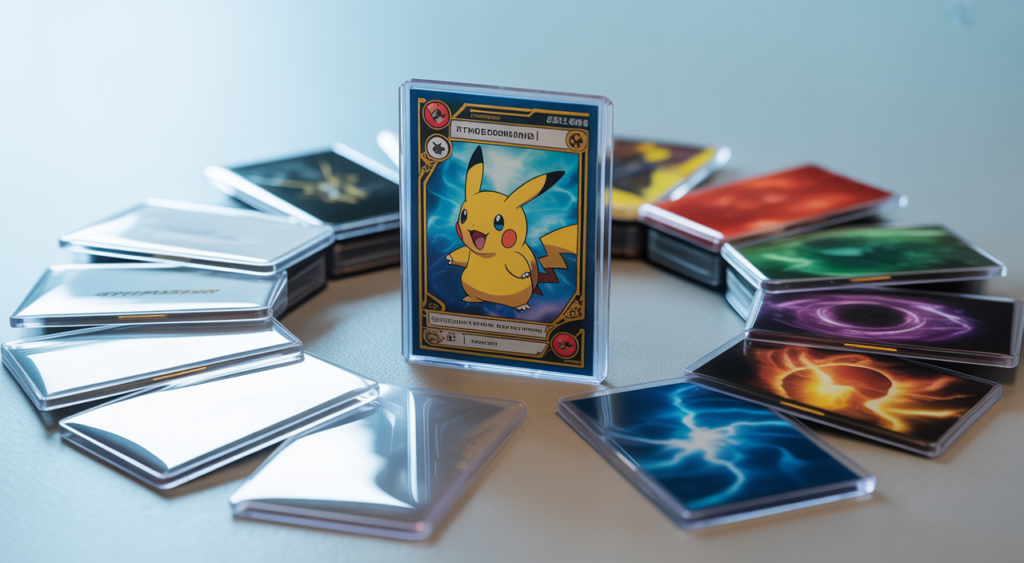
Your Pokémon cards are more than just pieces of cardboard. They can be valuable collectibles, cherished memories, or powerful tools in your next game. Without proper care, they can quickly suffer from scratches, bends, and general wear and tear. This is where high-quality protection comes in. Using the right pokemon card sleeves is essential for keeping your cards safe.
Choosing the best sleeves can feel overwhelming with so many options available. This guide will help you understand the different types, materials, and features of card protectors. You will learn how to pick the perfect ones for your needs, whether you’re a serious collector or a competitive player. Let’s dive in and ensure your Pokémon cards get the protection they deserve.
Understanding Card Protectors: Types & Their Purpose
Card sleeves come in various styles, each designed for a specific level of protection or use. Knowing the differences helps you choose wisely.
Penny Sleeves (Soft Sleeves): The Budget-Friendly Base Layer
Penny sleeves are thin, clear, and very affordable. They offer a basic level of protection against dust and minor scratches. Many collectors use them as a first layer of defense. They are great for storing common cards or as an initial shield before placing cards into binders or top loaders.
- Pros: Inexpensive, readily available, good for bulk storage.
- Cons: Offer minimal bend protection, can be flimsy, not ideal for shuffling.
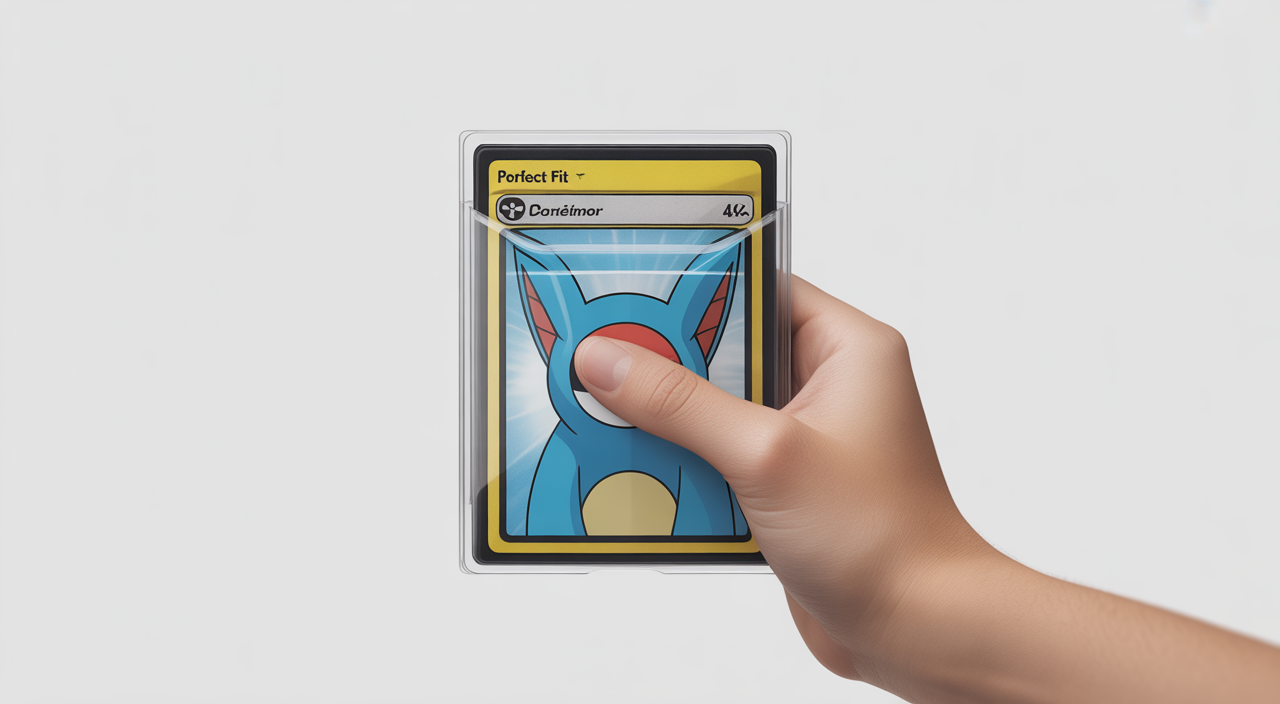
Perfect Fit Sleeves (Inner Sleeves): Snug Protection for Double Sleeving
Perfect fit sleeves are designed to fit snugly around the card. They offer an extra layer of protection when combined with a larger outer sleeve. This method, known as “double sleeving,” creates a seal that protects the card from spills and dust. They are a favorite among serious collectors and competitive players.
- Pros: Excellent spill and dust protection when double-sleeved, adds rigidity.
- Cons: Can be tricky to put on correctly, adds thickness to the card.
Deck Protector Sleeves (Outer Sleeves): The Workhorses of Play & Collection
These are the most common type of sleeves. They are thicker and more durable than penny sleeves. Deck protector sleeves come in standard sizes for Pokémon cards and are perfect for playing. They protect your cards from shuffle wear, spills, and handling damage. You can find them in many colors and finishes.
- Pros: Durable, great for shuffling, wide variety of colors and styles.
- Cons: Can be more expensive, some finishes might show fingerprints.
Art Sleeves vs. Clear Sleeves: Aesthetics vs. Clarity
Art sleeves feature printed designs, characters, or patterns on the back. They add a personal touch to your deck and make your cards stand out. Clear sleeves, on the other hand, show off the original card back. They are often preferred for competitive play or when you want the card’s artwork to be the main focus.
Beyond Basic Protection: Key Features to Look For
When choosing your card protectors, consider these important features for optimal safety and usability.
Material Matters: Polypropylene vs. PVC
Most quality sleeves are made from polypropylene. This material is acid-free and considered “archival safe.” This means it won’t react with your cards over time, preventing them from fading or getting damaged. Some cheaper sleeves might contain PVC (polyvinyl chloride). PVC can damage cards over long periods, making them sticky or discolored. Always choose polypropylene sleeves for valuable cards.
Finish: Matte vs. Glossy
The finish of your sleeves affects both their feel and appearance. Matte sleeves have a slightly textured, non-shiny surface. They offer a better grip and a smoother shuffle, reducing glare. Glossy sleeves are clear and shiny, making card art pop. However, they can be more slippery and prone to glare.
Thickness & Durability: Investing in Longevity
Sleeve thickness is often measured in microns. Thicker sleeves generally offer more protection against bends and tears. They also feel more substantial in hand. While thinner sleeves are fine for casual use, investing in thicker, more durable options is wise for high-value cards or frequent play. Durability ensures your investment lasts longer.
Opacity & Consistency: Ensuring Fair Play
For competitive play, sleeve opacity is crucial. The back of the sleeve must be completely opaque, so no one can see through it to identify a card. Consistency in sleeve cut and size is also important. This prevents accidental “marking” of cards. Professional-grade sleeves typically meet these standards.
How to Choose the Best Protectors for Your Needs
Your choice of card protection depends on how you use your cards. Consider these scenarios:
For Competitive Players
You need sleeves that offer excellent shuffle feel, durability, and complete opacity. A matte finish is often preferred for less glare and better handling. Double sleeving with a perfect fit inner sleeve and a high-quality deck protector is common. This ensures your cards are protected and your shuffling is smooth.
For Dedicated Collectors (Storage & Display)
Archival safety is paramount for collectors. Choose polypropylene sleeves that are acid-free to prevent long-term damage. Clear sleeves are great for displaying cards in binders. For very valuable cards, consider double sleeving and then placing them in a rigid top loader or even a graded card case. UV protection is also a bonus for display pieces.
For Value & Casual Play
A good balance between cost and protection is key. Standard deck protector sleeves are usually sufficient. They protect your cards during friendly games and general handling. If you want a little extra, adding penny sleeves for bulk storage and then using deck protectors for your active decks works well.
The Art of Double Sleeving: A Step-by-Step Guide
Double sleeving gives your cards maximum protection. Here’s how to do it:
- Slide your card into a perfect fit sleeve. Make sure the opening of the perfect fit sleeve faces upwards.
- Then, slide the card (still in its perfect fit sleeve) into a standard deck protector sleeve. The opening of the outer sleeve should face downwards.
- This creates a tight seal, keeping out dust, moisture, and making the card more rigid.
Beyond Sleeves: A Holistic Approach to Card Protection
While quality card sleeves are the foundation, other accessories can further enhance your collection’s safety. Consider using sturdy deck boxes for your active decks. Binders with archival-safe pages are excellent for displaying and storing your collection. For extremely rare or valuable cards, special display cases or submission to grading services offer the ultimate protection. Remember, every step you take to protect your cards helps preserve their value and your enjoyment. For more ways to expand your collection, consider exploring Pokémon booster packs.
Frequently Asked Questions (FAQ)
Q: Can I use any card sleeves for Pokémon cards?
A: While many sleeves might fit, it’s best to use sleeves specifically designed for standard-sized trading cards (63mm x 88mm). Ensure they are acid-free polypropylene for long-term safety. Pokémon card sleeves are typically this standard size.
Q: How often should I replace my sleeves?
A: For competitive play, you might replace them frequently if they show signs of wear or marking. For casual play or storage, you can replace them when they become visibly dirty, bent, or if the shuffle feel changes. High-quality sleeves can last a long time.

Blake Frank is a marketer and tech enthusiast based in Idaho. With over 9 years of experience in the digital marketing industry, he has gained a wide range of knowledge and skills such as SEO, web design, and digital analytics. Blake is passionate about providing insights into how technology and marketing intersect to create successful marketing strategies. In his free time, he enjoys mountain biking and exploring the great outdoors.