

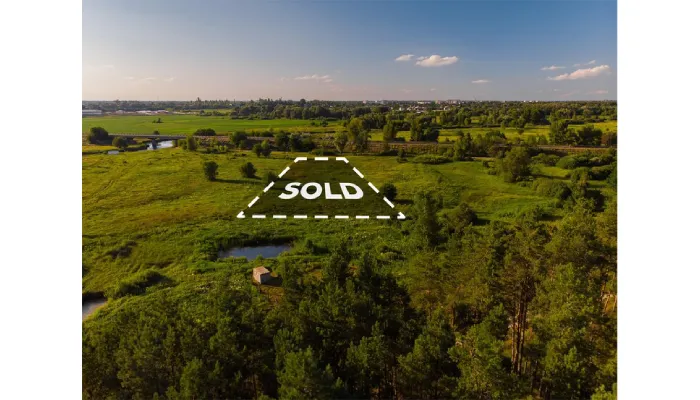
Finding affordable land in Florida requires some research and patience. Start by exploring counties known for lower prices like Ocala, Levy, or Putnam, where lots can cost as little as $2,000 to $10,000. Don’t overlook off-market properties; these “hidden” deals sometimes come with better prices when you negotiate effectively. Before buying, check zoning laws, access to utilities, and road access to avoid surprises later on. Working with local real estate agents experienced in budget land sales can also save you time and money.
How to Research Local Market Trends for Affordable Land?
These resources offer recent sales data that help you understand the average price per acre or lot size in your target counties. For example, counties like Jackson and Hamilton often have land prices below $3,000 per acre, which you can confirm by tracking their sales history. Keep an eye on local news and real estate blogs for updates about new developments, economic shifts, or infrastructure projects that might affect land prices. Population growth and demographic changes also impact demand; areas with stable or declining populations often have more affordable land. Land for sale in Florida prices across multiple counties can reveal where land is stable or even dropping in value, helping you pinpoint good deals. Use county GIS tools and mapping services to check land availability, zoning updates, and any restrictions that might influence future use or value. Attending local real estate auctions or land sales can provide firsthand insight into pricing trends and buyer interest. Finally, consulting local real estate agents or appraisers can uncover market sentiment and hidden opportunities not visible online, giving you an edge in finding affordable land.

Using Multiple Resources to Find Budget Land
Finding affordable land in Florida requires tapping into a variety of resources to uncover the best deals. Checking county Multiple Listing Services (MLS) can provide the most current and comprehensive land listings available in your target area. Local real estate agents who focus on land sales are valuable contacts since they often know about pocket listings or properties not yet widely advertised. Beyond these, specialized land websites cater specifically to buyers interested in rural or agricultural land, which can open up more budget-friendly options. Don’t overlook classified ads in local newspapers or community bulletin boards, where private sellers sometimes list properties at lower prices without the markup of agents. Online auction platforms can also be a good place to find land being sold below market value, but be sure to research thoroughly before bidding. Engaging with online forums and social media groups focused on Florida land sales and real estate investing can lead to insider tips and networking opportunities. Direct networking with farmers, developers, or current landowners might reveal off-market deals not accessible through traditional channels. County tax assessor and property appraiser websites are useful tools for identifying delinquent or tax lien properties, which can occasionally be purchased at a discount. Finally, physically driving through desired areas to spot vacant land signs or owners willing to sell can uncover hidden opportunities that aren’t listed online. Combining these approaches improves your chances of finding land that fits your budget while giving you a clearer picture of the local market.
Finding Off-Market Land Deals in Florida
Finding off-market land deals in Florida can be a smart way to purchase property below market value. Start by building relationships with local real estate agents who specialize in off-market properties or pocket listings. These agents often have access to land that isn’t publicly advertised. Networking with landowners directly through community events, farming groups, or local business associations can uncover opportunities before they hit the market. Another effective method is using direct mail campaigns to reach owners of vacant or underutilized land parcels, offering a personal approach that can motivate sellers. Hiring a land scout or broker who focuses on sourcing off-market deals adds expertise and saves time. Public records can also reveal owners of tax-delinquent or absentee-owned properties, which might be open to selling. Checking foreclosure and auction listings before properties go on the market can lead to bargains. Keep an eye on local classifieds and online platforms for land sold by owners (FSBO), as this can cut out middlemen and reduce costs. Social media outreach targeting groups interested in selling land or real estate can widen your search. Additionally, exploring land trusts or conservation groups may reveal available land for sale or lease. Attending county planning or zoning board meetings can provide hints about upcoming land availability or rezoning plans, giving you an edge in finding affordable parcels early.
Negotiation Tips to Lower Land Prices
When negotiating land prices in Florida, start by researching comparable sales in the area to support your offer with solid market data. This shows sellers you’re informed and serious. Look for motivated sellers who might be facing financial difficulties or have owned the land for a long time, they’re often more open to lower offers. Offering a quick closing date can be appealing to sellers wanting a fast transaction, giving you leverage. Always be ready to walk away if the deal doesn’t meet your budget; this willingness can sometimes bring better terms. Use contingencies like financing approval or property inspections to ask for price reductions or concessions. Don’t hesitate to point out any drawbacks such as limited access, lack of utilities, or zoning restrictions to justify a lower offer. If the parcel is large, consider asking if the seller would split it into smaller pieces, which might come at a better price per acre. Also, if you’re buying multiple parcels, bundling them can help negotiate volume discounts. Throughout negotiations, remain professional and patient to build trust and keep communication open. Finally, request seller concessions like covering closing costs or including surveys and title work to reduce your upfront expenses.
- Research comparable land sales to back your offer with solid market data.
- Identify motivated sellers, such as those facing financial issues or who have held the property long-term.
- Offer quick closing dates to appeal to sellers wanting fast transactions.
- Be prepared to walk away; showing willingness can lead to better terms.
- Use contingencies like financing or inspection conditions to negotiate price reductions.
- Request seller concessions such as covering closing costs or including surveys and title work.
- Highlight any property drawbacks like access, utilities, or restrictions to justify lower offers.
- Split large parcels into smaller deals if seller is open to partial sales for better pricing.
- Stay professional and patient to build trust and keep negotiations open.
- Consider bundling multiple parcels if buying more than one to negotiate volume discounts.
Checking Development Restrictions Before Buying
Before purchasing land in Florida, it’s important to check for any development restrictions that could affect your plans. Start by verifying the zoning classification with the county planning department to see what uses are allowed on the property. Also, look into any easements that might limit building areas or restrict access. Reviewing county land-use plans can reveal future overlays or restrictions that might impact the land’s value or usability.
Don’t forget to check for deed restrictions or covenants recorded on the title, as these can impose limits beyond zoning laws. Understand minimum lot sizes and setback requirements, since these rules determine how close you can build to property lines and affect the size of structures allowed.
Environmental factors are key in Florida. Identify any protected wetlands, conservation zones, or floodplain areas by consulting local GIS maps and FEMA flood maps. These can severely limit or even prohibit development in certain parts of your parcel. Additionally, investigate if there are historical preservation or archaeological restrictions that apply, especially in older or rural counties.
Finally, ask about utility and infrastructure requirements needed to gain development approvals. Some counties require connections to water, sewer, or roads before building permits are issued, and fees can add up quickly. Understanding the permitting process and associated costs up front helps avoid surprises and ensures your budget stays on track.
Ensuring Legal Road Access to Your Land
Before buying land in Florida, it’s crucial to confirm that the property has legal access via public roads or established easements. Check the title documents carefully for any right-of-way agreements or shared road maintenance responsibilities. You’ll want to know if the access road is paved, gravel, dirt, or a private road, and how well it holds up throughout the year. Driving the road yourself is a good way to assess if it’s suitable for everyday vehicles and emergency services. Find out who is responsible for maintaining the road, whether it’s the county or private owners, and what costs you might be responsible for. Avoid landlocked parcels without legal access, as these can be tough to develop or sell later. Use county GIS maps and talk to local officials to verify access routes, and consider asking neighbors about the road’s reliability, especially during rainy seasons. Also, look into any future road development plans that could affect how easily you can reach your land.
Surveying Land and Conducting Title Searches
Before buying land in Florida, it’s important to hire a licensed land surveyor to clearly mark the property boundaries. This helps identify any encroachments, easements, or discrepancies with deed descriptions or neighboring properties. A thorough survey prevents surprises like landlocked parcels or unexpected shared access. Along with the survey, conducting a title search is vital to confirm the current ownership and uncover any liens, mortgages, or legal claims against the land. Make sure the seller has a clear title without unresolved disputes or judgments. Also, check for restrictive covenants or use limitations recorded in the title that might affect what you can do with the property. Obtaining title insurance provides extra protection against future claims or defects that were not found during the title search. It’s wise to verify that the land is not involved in any pending lawsuits or foreclosures and to confirm that all property taxes and assessments are paid up to date. Reviewing subdivision plats or planned developments can also reveal boundary changes or easements that impact the land. Keep all survey and title documents safe for your records and legal protection. Taking these steps helps avoid costly issues and ensures you’re making a sound investment when buying land on a budget in Florida.
Verifying Utility Access and Costs
Before buying land in Florida, especially on a budget, it’s crucial to verify the availability and cost of utilities. Start by confirming if municipal water and sewer connections are accessible, since many rural areas may require you to install a well and septic system, which can add significant expenses. Check county regulations for necessary permits related to septic tanks and well drilling to avoid surprises. Contact local utility providers to learn about electricity availability and any connection fees, and don’t forget to ask about natural gas lines if you plan to use gas for heating or cooking. In more remote locations, services like phone, internet, and cable might be limited, so research these carefully or consider alternatives like satellite internet. If utilities aren’t already connected, estimate the costs for running lines to the property, as extending utilities can get pricey and delay your project. Alternative power options like solar panels or generators may be worth considering for off-grid parcels. Talking to neighbors or the seller can provide insight into ongoing utility costs and reliability, helping you budget realistically. Also, check if there are any upcoming utility infrastructure projects in the area that could improve service or reduce future costs. Planning utility installation timing within your project budget is essential to avoid unexpected delays or expenses down the road.
Understanding Wetlands and Flood Zone Risks
When searching for affordable land in Florida, it’s crucial to understand the implications of wetlands and flood zones on your potential property. Start by consulting FEMA flood maps to see if the land lies within a flood hazard zone. These zones vary in risk, from areas with minimal flood chance to high-risk floodplains, which affect building codes and insurance requirements. Next, check county GIS maps and US Fish and Wildlife Service resources to identify any wetlands on the property. Wetlands are environmentally protected areas that often restrict or prohibit development, so purchasing land with wetlands can limit your options or lead to costly mitigation efforts. Research the history of flooding and drainage problems in the area to get a sense of real-world risks beyond the maps. If the land is in a floodplain, consider the potential costs of flood mitigation measures like elevation or drainage improvements, as well as whether the property qualifies for flood insurance and what the premiums might be. Regulatory oversight from federal and state agencies means modifications to wetlands or flood zones often require permits, which can cause delays or denial of development plans. If you’re serious about a particular parcel, it’s wise to hire environmental specialists for wetland delineation and flood risk assessments to avoid surprises. Taking these steps helps ensure you’re making an informed decision and can better estimate the true cost and feasibility of owning land in these sensitive areas.
Reviewing Rules for Alternative Housing Options
When searching for affordable land in Florida, it’s important to review local county zoning laws to understand what types of housing are allowed on the property. Some counties permit mobile homes, manufactured homes, or modular homes, while others may have restrictions that could limit these options. If you’re considering living in an RV or tiny home permanently, confirm whether these are allowed as primary residences in the area. Many counties have minimum size requirements for dwellings, so check if your alternative housing meets those standards. Additionally, investigate rules related to septic tanks, wells, and utility hookups since these can affect the feasibility and cost of setting up non-traditional homes. Deed restrictions or homeowners association rules might also limit the types of housing you can place on the land, so review those carefully. You’ll likely need permits or inspections for alternative housing, and building codes often have specific regulations depending on the county. Some areas have special zoning overlays that either encourage or restrict alternative housing options, so consulting the county planning department or land use officials can clarify any ambiguous rules. For example, in rural counties like Levy or Suwannee, there may be more leniency toward manufactured homes, while others may be stricter. Taking the time to understand these details upfront will save you from costly surprises and help ensure your chosen housing type is allowed on your budget-friendly Florida land.
Benefits of Owning Affordable Land in Florida
Owning affordable land in Florida presents several advantages, especially for budget-conscious buyers. One key benefit is the potential for property value appreciation as Florida’s population and economy continue to grow steadily. This means that land purchased at a lower price today could be worth significantly more in the future, particularly in counties experiencing development or economic expansion. Florida’s generally low property taxes also make owning land more cost-effective over time, reducing ongoing expenses compared to many other states. Another advantage is the flexibility that land ownership offers: you can build a home, start a small business, or use the property for recreation like hunting or camping. The state’s diverse environments, from lakeside spots and rural farmland to forested areas, allow buyers to find land that fits their lifestyle preferences. Furthermore, owning land in growing counties can provide a sense of long-term investment security, backed by Florida’s strong workforce and expanding industries that may increase future demand and land values. Land is also a tangible asset that helps diversify your investment portfolio beyond stocks or bonds. For many, buying affordable lots can be a step toward future retirement or vacation home plans, providing a place to develop when the time is right. Meanwhile, these parcels often require minimal maintenance, allowing you to hold the land as-is without heavy costs. Lastly, owning land grants access to Florida’s abundant outdoor activities and natural beauty, enhancing quality of life whether for leisure or potential development.
Working with Land Professionals for Better Deals
Working with real estate agents who specialize in land can make a big difference when looking for affordable property in Florida. These professionals often have access to exclusive listings and off-market deals that you won’t find online. They know the local zoning rules, utility availability, and development restrictions, helping you avoid costly mistakes that could add up later. For example, an agent might alert you if a parcel is in a flood zone or lacks legal road access before you make an offer. They also bring valuable negotiation skills, using market data and knowledge of seller motivation to help you secure better prices. Beyond pricing, land professionals guide you through the title search and survey process, ensuring clear ownership and proper boundaries so you don’t face surprises down the road. Since they’re familiar with upcoming infrastructure projects or changes in the area, they can also advise you on how these might affect your land’s value. Plus, local experts can point out hidden costs like road maintenance fees or utility hookup expenses, which are easy to overlook but impact your budget. Many land brokers also have connections to lenders who specialize in land financing, which can open up more buying options. With their help, you can focus your search on counties or neighborhoods that fit your goals and budget, saving time and reducing stress by streamlining paperwork, inspections, and appraisals. Overall, working with land professionals provides valuable insights and support that can lead to smarter purchases and better deals on Florida land.
Avoiding Hidden Costs When Buying Land on a Budget
When buying land on a budget in Florida, hidden costs can quickly add up and turn a good deal into a financial headache. First, always confirm there is legal road access to the property. Buying land without clear access can lead to expensive easement disputes or a landlocked parcel that’s hard to reach. Next, check the availability of utilities like water, sewer, electricity, and internet. If these are not already connected, installation costs can be surprisingly high. For places without municipal water, you may need to budget for drilling a well, and if there’s no sewer connection, a septic system will be required, both of which can run several thousand dollars. Don’t overlook property taxes and any special assessments that might be levied by the county or local authorities; these fees sometimes aren’t obvious at first glance but can impact your yearly budget. It’s also wise to invest in a professional survey and title insurance to avoid surprises about property boundaries, easements, or liens that could complicate your ownership. Flood zones and wetlands are common in Florida, so review maps carefully to avoid land that requires costly flood insurance or has development restrictions. If the land is accessed by private roads, inquire about maintenance fees you might be responsible for. Additionally, check for any homeowners association fees, deed restrictions, or covenants that could carry ongoing costs or limit your intended use of the property. Preparing the land often means clearing trees, grading, or other work to make it buildable or farmable. Budgeting for these expenses upfront helps avoid sticker shock. Lastly, consult local county offices about any upcoming fees, zoning changes, or infrastructure projects that might increase your expenses after purchase. Taking these steps can protect your budget and prevent hidden costs from derailing your plans.

Blake Frank is a marketer and tech enthusiast based in Idaho. With over 9 years of experience in the digital marketing industry, he has gained a wide range of knowledge and skills such as SEO, web design, and digital analytics. Blake is passionate about providing insights into how technology and marketing intersect to create successful marketing strategies. In his free time, he enjoys mountain biking and exploring the great outdoors.