

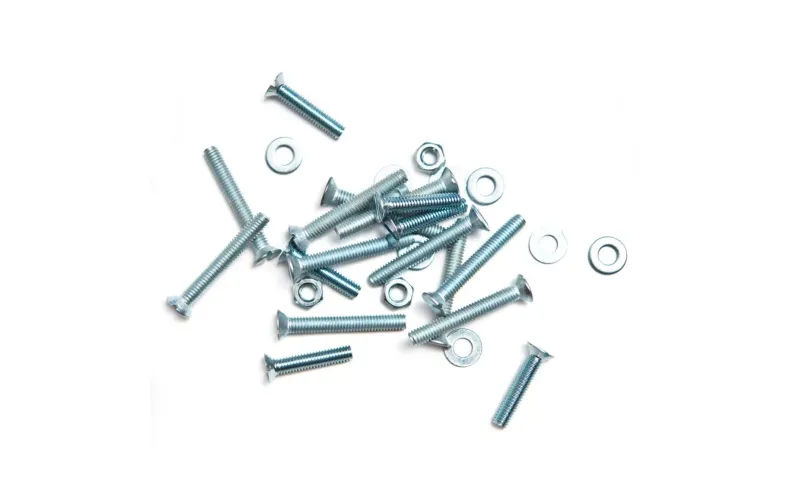
When evaluating a screw supplier in India, it’s important to consider several key factors. First, ensure they adhere to international quality standards like ISO 9001. Assess their product range to confirm they offer various types and sizes of screws that suit your project needs. Look into their manufacturing capabilities; advanced technology usually indicates better precision. Additionally, review the supplier’s experience and reputation by seeking testimonials from past clients. Don’t forget to check for relevant certifications and compare pricing with competitors while keeping an eye out for unusually low prices. Be sure about lead times and customer service responsiveness too!
1. Assess Supplier’s Quality Standards
To evaluate a screw supplier in India, the first step is to assess their quality standards. It’s essential to check if the supplier adheres to recognized international quality standards such as ISO 9001 or ASTM. These certifications indicate a commitment to quality management and consistency in manufacturing. Additionally, requesting samples is a vital part of this assessment. By examining the quality of the screws firsthand, you can determine if they meet the specifications and durability required for your projects. For instance, if you need screws that can withstand high-stress environments, evaluating sample products will provide insight into their performance under such conditions.

2. Evaluate the Product Range Offered
When evaluating a screw supplier in India, it’s essential to assess the variety of products they offer. A good supplier should provide a comprehensive range of screws that includes different materials, sizes, and types, such as wood screws, machine screws, and self-tapping screws. For instance, if your project requires stainless steel screws for outdoor applications due to their resistance to corrosion, ensure the supplier has that specific option. Additionally, check if they can customize screws to meet particular project requirements. Having a diverse product range not only helps in fulfilling immediate needs but also ensures that the supplier can accommodate future projects without the hassle of sourcing from multiple vendors.
3. Investigate Manufacturing Capabilities
When evaluating a screw supplier in India, it’s crucial to investigate their manufacturing capabilities. Start by examining the specific processes they use to produce screws. Look for suppliers that utilize advanced technology and equipment, as these can significantly enhance the precision and quality of the products. For instance, suppliers who employ CNC (Computer Numerical Control) machines often produce screws with higher accuracy compared to those using outdated methods. Additionally, assess their production capacity to ensure they can handle your order sizes and meet your deadlines. A supplier with robust manufacturing capabilities should also be able to adapt to custom requirements, whether you need screws in unusual sizes or specific materials. This flexibility indicates a well-equipped facility and a commitment to customer satisfaction.
4. Review Experience and Reputation
When evaluating a screw supplier in India, it’s essential to consider their experience and reputation in the industry. Start by looking at how long the supplier has been in business. A supplier with several years of operation often indicates stability and expertise, which can be beneficial for your procurement needs. Additionally, seek out testimonials or case studies from previous clients to gauge their satisfaction and the supplier’s reliability. For instance, a supplier that has worked with well-known companies in your industry may offer a level of assurance about their capability to meet your demands. Online reviews and ratings can also provide insight into their reputation, helping you identify any potential red flags. A strong reputation is often a sign of consistent quality and customer service, which are crucial for maintaining your project’s integrity.
5. Check for Relevant Certifications
When evaluating a screw supplier in India, checking for relevant certifications is crucial. Certifications like ISO 9001 indicate that the supplier adheres to international quality management standards, which can enhance your confidence in their products. Additionally, certifications like CE marking or RoHS compliance show that the supplier meets specific safety and environmental standards, which is especially important if your screws will be used in sensitive applications. For example, a supplier with RoHS compliance ensures that their products are free from hazardous substances, making them safer for both manufacturers and consumers. Always verify these certifications with the issuing organizations to confirm their authenticity. A supplier with the right certifications not only demonstrates their commitment to quality but also helps you meet regulatory requirements in your projects.
- ISO 9001 Certification
- ISO 14001 Certification
- OHSAS 18001 Certification
- CE Marking
- ASTM Compliance
- RoHS Compliance
- AISC Certification
6. Compare Pricing Structure with Competitors
When evaluating a screw supplier, it’s crucial to compare their pricing structure with that of competitors. Start by gathering quotes from multiple suppliers for similar products. This will provide a baseline to understand the market rates. Be wary of suppliers offering prices that are significantly lower than others; this can be a red flag indicating compromised quality or hidden costs. Additionally, consider the total cost of ownership, which includes shipping, handling, and any extra fees. For example, a supplier may have a low unit price but charge high shipping fees, making them more expensive overall. Look for transparency in pricing; suppliers should clearly outline what is included in their quotes. This will help you avoid unexpected charges down the line.
7. Inquire About Lead Times for Delivery
When evaluating a screw supplier in India, it’s crucial to inquire about their lead times for delivery. Understanding how long it takes for the supplier to produce and ship your order can significantly impact your project timelines. Ask specific questions about their production schedules and any potential delays that could arise. For example, if your project requires a bulk order of screws, knowing the lead time can help you plan your procurement strategy effectively. Additionally, consider whether the supplier can meet urgent requests or last-minute changes in order quantities. A reliable supplier should provide clear timelines and communicate any issues promptly, ensuring minimal disruption to your operations.
8. Evaluate Customer Service and Support
Customer service is a crucial aspect when selecting a screw supplier in India. It’s essential to evaluate how responsive and helpful the supplier is when addressing inquiries or issues. A reliable supplier should provide quick responses to questions about products, pricing, and availability. Additionally, assess their willingness to offer solutions for any problems that may arise. For instance, if you encounter a defect in a batch of screws, a good supplier should have a clear process for returns or replacements. You may want to reach out to their customer service team before making a decision to gauge their efficiency and professionalism. Good customer service not only enhances your experience but also ensures that you receive the support needed throughout your project.
9. Understand Logistics and Supply Chain
When evaluating a screw supplier in India, understanding their logistics and supply chain capabilities is crucial. Look into how they manage shipping and handling processes, as this can impact delivery times and overall efficiency. A reliable supplier should have robust logistics solutions in place, including partnerships with reputable freight carriers and warehousing capabilities. Additionally, assess their ability to manage inventory effectively. For example, a supplier that can quickly adapt to demand fluctuations, such as seasonal peaks or sudden project increases, shows they are well-prepared to support your needs. This flexibility not only ensures timely deliveries but also helps you maintain uninterrupted production schedules. Moreover, inquire about their tracking systems; having real-time visibility into shipments can greatly enhance your planning and response strategies.
10. Review Payment Terms and Options
When selecting a screw supplier in India, it’s crucial to closely review their payment terms and options. Start by understanding the payment methods they accept, such as bank transfers, credit cards, or letters of credit. Some suppliers may offer flexible payment plans or discounts for bulk orders, which can be beneficial for your budget.
Another important aspect is the credit terms. Check if the supplier provides any credit options, such as net 30 or net 60 days, which can help manage cash flow, especially for larger projects. Ensure that these terms align with your financial practices, allowing you to maintain a healthy cash flow while keeping your projects on schedule.
It’s also wise to clarify any penalties for late payments or early payment discounts. Understanding these details can help avoid unexpected costs down the line. For example, if a supplier offers a 2% discount for early payment, it may be worth considering if it fits within your financial strategy.
Lastly, don’t hesitate to negotiate the payment terms if necessary. A good supplier will be willing to discuss options that work for both parties, ensuring a mutually beneficial relationship.
11. Investigate Sustainability Practices
When evaluating a screw supplier in India, it’s essential to look into their sustainability practices. Companies that prioritize sustainability often adopt eco-friendly manufacturing processes, utilize recycled materials, and aim to reduce waste. For instance, a supplier might implement energy-efficient technologies in their production lines, which not only minimizes their carbon footprint but can also lead to cost savings in the long run. Additionally, check if the supplier has any certifications related to environmental management, such as ISO 14001, which indicates a commitment to sustainable practices. Engaging with a supplier that emphasizes corporate social responsibility can also enhance your own brand’s image and align with the growing consumer demand for environmentally conscious products.
12. Confirm After-Sales Support Availability
After selecting a screw supplier, it is crucial to assess their after-sales support. This includes checking if they offer warranties on their products and what their return policies are. For example, a reliable supplier should have a straightforward process for handling defective screws, ensuring that replacements or refunds are processed efficiently. Additionally, inquire about their customer service availability post-purchase. A supplier that provides ongoing support can make a significant difference if you encounter issues with the screws in your projects. Having a dependable after-sales support system not only reflects the supplier’s commitment to quality but also gives you peace of mind.
13. Consider Supplier’s Geographical Location
The geographical location of a screw supplier in India plays a crucial role in the overall efficiency of your supply chain. Proximity to your operations can significantly reduce shipping costs and delivery times. For instance, if you are based in a city like Mumbai and source screws from a supplier in the same region, you may benefit from quicker turnaround times and lower freight charges compared to a supplier located in a distant state. Additionally, local suppliers may have a better understanding of regional market demands, which can lead to more tailored service and responsiveness. It’s also essential to consider any logistical challenges that may arise due to the supplier’s location, such as accessibility to transport networks or potential delays during peak seasons. Therefore, evaluating the geographical location of a supplier is not just about distance; it also involves assessing their logistical capabilities and how they align with your business needs.
14. Determine Networking and Industry Connections
A supplier’s networking and industry connections can significantly impact their reliability and the quality of service they provide. Suppliers with strong ties to other manufacturers, distributors, and industry associations often have access to better resources and technologies. For example, if a screw supplier collaborates with a renowned raw material provider, they may offer superior quality screws due to access to premium materials. Additionally, suppliers who are well-connected may be able to respond quickly to supply chain disruptions, ensuring that you receive your products on time. To assess this aspect, inquire about the supplier’s partnerships and affiliations. Attend industry events or trade shows where the supplier is present to observe their engagement with other professionals in the field. These connections can enhance the overall reliability of the supplier, making them a more attractive option for your projects.
15. Place Trial Orders Before Large Contracts
Before committing to a large contract with a screw supplier, it’s wise to place trial orders. This step allows you to evaluate the supplier’s reliability and the quality of their products on a smaller scale. For example, if you need a specific type of screw for a project, order a batch of that type in various quantities. By doing this, you can assess not only the physical quality of the screws but also the supplier’s responsiveness and adherence to delivery timelines. If the trial order meets your expectations, you can confidently proceed with larger orders, knowing you have a dependable supplier.
Frequently Asked Questions
1. What should I look for in a screw supplier’s experience?
You should check how long the supplier has been in business and what type of projects they’ve worked on. An experienced supplier is likely to have better skills and knowledge.
2. How can I tell if a screw supplier provides quality products?
Look for suppliers with good reviews, quality certifications, and inquire about their manufacturing processes. Quality suppliers should be willing to provide samples.
3. What importance does customer service have when choosing a screw supplier?
Good customer service can make your experience much smoother. It helps with timely communication, resolving issues, and getting support when you need it.
4. Why is it important to check a supplier’s delivery capabilities?
You want to ensure that they can deliver your screws on time. Check their shipping methods and timelines to avoid project delays.
5. How can I assess a supplier’s ability to meet my specific needs?
Discuss your requirements with potential suppliers and see how they respond. A good supplier should be flexible and willing to customize their products to meet your needs.
TL;DR Evaluate a screw supplier in India by assessing their quality standards, product range, manufacturing capabilities, experience, and reputation. Verify relevant certifications, compare pricing, check lead times, and evaluate customer service. Understand logistics, payment terms, and sustainability practices. Confirm after-sales support, consider geographical location, and explore industry connections. Finally, place trial orders to ensure reliability before committing to larger contracts.

Blake Frank is a marketer and tech enthusiast based in Idaho. With over 9 years of experience in the digital marketing industry, he has gained a wide range of knowledge and skills such as SEO, web design, and digital analytics. Blake is passionate about providing insights into how technology and marketing intersect to create successful marketing strategies. In his free time, he enjoys mountain biking and exploring the great outdoors.