

The gastrocnemius muscle is a key player in the anatomy of the lower leg, often overshadowed by its more prominent counterpart, the quadriceps. Understanding its function is crucial for anyone interested in biomechanics, sports medicine, or overall leg health. This guide will delve into the secrets of the gastrocnemius function, exploring its anatomy, roles, and importance in various activities.
Introduction To The Gastrocnemius function
The gastrocnemius function may not be a household name, but it plays a crucial role in our everyday movements. Nestled at the back of your lower leg, this powerful muscle is essential for walking, running, and jumping. It’s more than just an aesthetic feature; understanding its function can unlock new levels of performance and help prevent injuries.Whether you’re an athlete looking to enhance your skills or someone simply trying to stay active, grasping the intricacies of the gastrocnemius function can make all the difference. Let’s dive deeper into what makes this muscle so vital for mobility and athletic prowess.

Gastrocnemius Function: Anatomy And Function
The gastrocnemius function is a prominent muscle located in the calf. It has two distinct heads that originate from the femur, or thigh bone, just above the knee joint. This unique structure allows it to contribute significantly to both leg movement and stability.Functionally, the gastrocnemius function plays a crucial role in actions like walking, running, and jumping. When you push off your foot during these activities, this powerful muscle contracts and helps propel your body forward.Additionally, it aids in flexing the knee while also plantar flexing the ankle—essential for movements such as standing on tiptoes or climbing stairs. Its dual action makes it vital not only for athletic performance but also for everyday mobility tasks. Understanding its anatomy helps diagnose issues related to function and improve overall physical health.
Gastrocnemius Function: Common Injuries And Conditions Of The Gastrocnemius
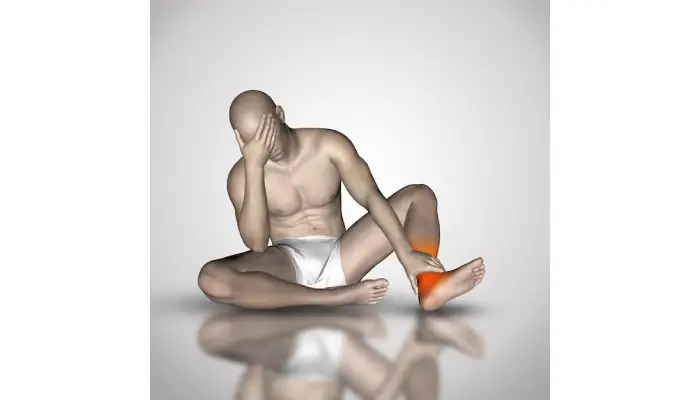
The gastrocnemius function, located in the back of the lower leg, is prone to several injuries and conditions. One common issue is a strain, which can occur during sudden movements or overexertion. This injury often results in sharp pain and swelling.Another frequent concern is calf cramps. These involuntary contractions can be quite painful and are commonly experienced during high-intensity workouts or long runs. Dehydration and electrolyte imbalances often trigger such cramps.Tendinitis also affects the gastrocnemius. Inflammation of this muscle’s tendon can cause discomfort during movement, especially when climbing stairs or running downhill.Additionally, deep vein thrombosis (DVT) may present symptoms that mimic gastrocnemius issues but require immediate medical attention. Understanding these conditions helps in recognizing their impact on overall mobility and performance.
Treatment And Rehabilitation Methods Gastrocnemius function
When it comes to addressing issues with the gastrocnemius function, a multifaceted approach is essential. Initial treatment often begins with rest and ice therapy. This helps reduce inflammation and alleviates pain.Physical therapy plays a crucial role in rehabilitation. A skilled therapist can guide patients through targeted exercises designed to strengthen the calf muscles while improving flexibility. Manual therapy techniques may also be employed to enhance mobility.Gradual return to activity is vital. Patients should focus on low-impact activities initially, allowing their bodies to adapt without undue stress on the gastrocnemius. Progressing slowly fosters proper healing mechanisms.Additionally, incorporating modalities like ultrasound or electrical stimulation can aid recovery by promoting blood flow and reducing muscle tension. Regular assessments ensure that progress meets functional goals tailored for each individual’s lifestyle and needs.
Exercises To Strengthen And Stretch The Gastrocnemius function
Strengthening and stretching the gastrocnemius function is vital for maintaining lower leg health. Simple exercises can significantly enhance its function.Calf raises are a great way to build strength. Stand on a step with your heels hanging off the edge. Slowly raise yourself onto your toes, hold briefly, then lower back down. This motion targets the muscle effectively.For flexibility, try wall stretches. Place one foot behind you while pressing your heel into the ground. Lean forward slightly until you feel a gentle pull in your calf.Another effective stretch involves sitting on the floor with legs extended ahead of you. Loop a towel around your foot and gently pull it towards you while keeping your knee straight.Integrating these exercises into your routine will support overall leg functionality and help prevent injuries related to this crucial muscle group.
The Role Of The Gastrocnemius function In Sports Performance
The gastrocnemius function plays a crucial role in sports performance, acting as a primary driver for explosive movements. Its powerful contractions facilitate sprinting, jumping, and rapid directional changes.Athletes rely on the gastrocnemius to generate speed and agility. During running, it helps propel the body forward while maintaining balance. This muscle also aids in stabilizing the ankle joint during high-impact activities.In sports like basketball and soccer, strong gastrocnemius muscles enhance vertical leap capabilities. A robust calf can mean the difference between reaching for that slam dunk or missing a game-winning goal.Endurance athletes benefit too; well-conditioned gastrocnemius muscles delay fatigue during long runs or cycling sessions. Proper training of this muscle leads to improved overall athletic performance and resilience against injuries.Understanding gastrocnemius function is essential for any athlete aiming to optimize their game on both amateur and professional levels.
Conclusion
Understanding the gastrocnemius function is essential for anyone interested in maintaining healthy leg movements and overall fitness. This powerful muscle plays a crucial role not only in everyday activities like walking and running but also significantly contributes to athletic performance.By recognizing its anatomy, functions, and potential injuries, individuals can better appreciate how vital this muscle is to their physical capabilities. Effective treatment methods combined with targeted rehabilitation strategies can help those who experience issues related to the gastrocnemius.Incorporating exercises that strengthen and stretch this muscle into your routine will support injury prevention while enhancing performance across various sports. By prioritizing the health of your gastrocnemius, you empower yourself to move more efficiently and confidently through life’s challenges.Embracing knowledge about the gastrocnemius function paves the way for improved mobility and strength, making it an integral part of any fitness journey or rehabilitation process. Remember that taking care of your muscles today leads to a stronger tomorrow.
Resources URL:
https://en.wikipedia.org/wiki/Special:Search?go=Go&search=gastrocnemius+function&ns0=1
https://greenandnatural.org/blog/gastrocnemius-muscle-anatomy-function/

Laura Coleman is a seasoned writer specializing in the dynamic field of business administration. With a knack for unraveling organizational complexities, Laura crafts insightful narratives that illuminate the intricacies of modern business practices.