


Are you ready to dive into the world of Spirulina farming solutions and discover how innovation is revolutionizing this nutrient-rich superfood industry? Get ready to explore the challenges faced by Spirulina farmers and learn about cutting-edge technologies, sustainable practices, and efficient water management techniques that are shaping the future of Spirulina cultivation. Join us on a journey through success stories and gain insights into what lies ahead for Spirulina farming.
What is Spirulina Farming Solution?
Welcome to the world of Spirulina Farming Solution. If you’re wondering what exactly this entails, let’s dive in. Spirulina Farming Solution refers to the methods and techniques used to cultivate spirulina, a nutrient-rich blue-green algae that is packed with protein, vitamins, and minerals.
Unlike traditional farming practices, spirulina farming involves growing these microscopic organisms in controlled environments such as ponds or tanks. This allows for optimal growth conditions and quality control throughout the cultivation process.
Spirulina farming solutions focus on maximizing efficiency and sustainability while producing high-quality spirulina products. By utilizing innovative technologies, sustainable farming practices, and proper water management techniques, farmers can enhance productivity and minimize environmental impact.
Spirulina Farming Solution is paving the way for a more efficient and eco-friendly approach to cultivating this superfood algae.
Challenges Faced by Spirulina Farming Solution
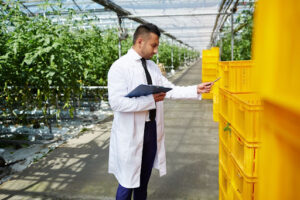
Spirulina farming, despite its promising potential, comes with its set of challenges. One common hurdle is maintaining the ideal growing conditions for this sensitive algae. Factors like temperature fluctuations and pH levels can greatly impact Spirulina growth and quality.
Contamination is another issue faced by Spirulina farmers, as unwanted bacteria or other microorganisms can easily invade the culture if not properly managed. This can lead to decreased yields and compromised product purity.
Furthermore, securing a reliable source of clean water for cultivation poses a challenge in regions where water scarcity is prevalent. Without access to adequate water resources, sustaining a successful Spirulina farm becomes increasingly difficult.
Addressing these challenges through innovative solutions and best practices will be crucial in enhancing efficiency and productivity within the Spirulina farming industry.
Spirulina Farming Solution for Improved Efficiency
Spirulina farming solutions have been continuously evolving to enhance efficiency and sustainability in the cultivation of this nutrient-rich superfood. With technological advancements playing a significant role, farmers are now able to automate processes, monitor growth conditions, and optimize production levels.
By incorporating sustainable farming practices such as organic fertilization and natural pest control methods, spirulina farms can minimize environmental impact while maximizing yield. This approach not only benefits the quality of the final product but also contributes to long-term viability.
Proper water management is crucial for efficient spirulina farming. Implementing systems that recycle water, capture rainwater, or utilize aquaponics can significantly reduce water consumption and improve overall farm productivity.
Integrating these solutions into spirulina farming operations can result in increased efficiency, reduced costs, and a more sustainable approach to producing this valuable resource.
Technological Advancements
In the realm of Spirulina farming, technological advancements have revolutionized the way this superfood is cultivated.
The integration of automation and data analytics has led to more precise monitoring of growth conditions, ensuring optimal nutrient levels for Spirulina cultivation.
Furthermore, innovations in harvesting equipment have streamlined the harvesting process, increasing efficiency and reducing labor costs for farmers.
Advanced climate control systems now allow growers to create ideal growing environments regardless of external conditions, maximizing yield and quality.
Additionally, research into genetic engineering techniques holds promise for developing strains of Spirulina with enhanced nutritional profiles or resistance to pests and diseases.
These technological advancements are paving the way for a more sustainable and productive future for Spirulina farming.
Sustainable Farming Practices
Sustainable farming practices are essential in spirulina cultivation to ensure long-term environmental and economic viability. By implementing sustainable techniques, farmers can minimize their impact on the ecosystem while maintaining efficient production levels.
One key aspect of sustainable spirulina farming is organic fertilization. Using natural inputs like compost or manure instead of chemical fertilizers helps improve soil health and reduces water pollution from runoff.
Water conservation is another critical practice. Implementing systems like drip irrigation or rainwater harvesting can significantly reduce water usage in spirulina farms, contributing to overall sustainability efforts.
Furthermore, integrated pest management techniques can help control pests without relying heavily on pesticides, promoting a healthier environment for both the spirulina crop and surrounding wildlife.
Adopting sustainable farming practices not only benefits the environment but also ensures the long-term success of spirulina farms for generations to come.
Proper Water Management
Proper water management is crucial in spirulina farming to ensure optimal growth and quality of the harvest. Spirulina thrives in alkaline water with a pH level between 8 and 11, so it’s essential to monitor and adjust the water accordingly. Additionally, maintaining proper temperature levels between 30-35°C promotes healthy growth.
Regularly testing the water for contaminants like heavy metals or pollutants is necessary to prevent any harm to the spirulina culture. Implementing filtration systems can help purify the water and create a clean environment for cultivation.
Adequate circulation of water within the tanks or ponds where spirulina is grown is vital as it helps distribute nutrients evenly and prevents stagnation. This circulation also ensures that oxygen levels are sufficient for photosynthesis.
By incorporating sustainable practices such as rainwater harvesting or recycling system, spirulina farmers can reduce their reliance on freshwater sources, making their operations more environmentally friendly. Efficient use of resources plays a significant role in ensuring long-term success in spirulina farming.
Success Stories: Real-Life Examples of Efficient Spirulina Farms
Imagine a world where spirulina farms are thriving, producing high-quality algae efficiently to meet the growing demand for this superfood. One success story comes from a farm in Hawaii, where innovative farming techniques and technology have been implemented to maximize production.
In India, another spirulina farm has adopted sustainable practices that not only benefit the environment but also improve the overall quality of their harvest. By focusing on proper water management and ensuring optimal growing conditions, they have set a benchmark for efficiency in spirulina farming.
Across the globe, these real-life examples showcase how dedication to technological advancements, sustainable practices, and effective water management can lead to successful spirulina farms. As more farmers embrace these strategies, the future of spirulina farming looks promising with increased efficiency and productivity.
Future of Spirulina Farming
As we look ahead to the future of spirulina farming, exciting possibilities emerge on the horizon. With advancements in technology and sustainable practices, the potential for increased efficiency and productivity is promising.
Innovations such as automated monitoring systems and AI-driven analytics are revolutionizing the way spirulina is cultivated. These technological developments streamline processes, optimize resource utilization, and enhance overall yields.
Furthermore, a shift towards more sustainable farming practices like organic fertilization methods and renewable energy sources not only benefits the environment but also contributes to higher quality spirulina production.
Proper water management techniques play a crucial role in ensuring optimal growth conditions for spirulina cultivation. Implementing efficient irrigation systems and recycling water resources can lead to significant improvements in farm sustainability.
The future of spirulina farming holds great promise as farmers continue to embrace innovation, sustainability, and smart agricultural practices. By leveraging these advancements, the industry is poised for continued growth and success in meeting rising global demand for this nutrient-rich superfood.
Conclusion
As we look towards the future of spirulina farming, it is evident that there are numerous solutions and advancements that can further improve efficiency in this industry. With technological innovations, sustainable practices, and proper water management techniques, spirulina farms can enhance their productivity while maintaining environmental sustainability.
By embracing these solutions and learning from successful case studies, the future of spirulina farming looks promising. As more research is conducted and more farmers implement efficient practices, we can expect to see a significant growth in the production of this valuable superfood.
Spirulina Farming Solutions offer a path towards improved efficiency and sustainability in an industry crucial for both nutrition and environmental conservation. By adopting innovative approaches and best practices, spirulina farms can thrive while contributing to a healthier planet.

Laura Coleman is a seasoned writer specializing in the dynamic field of business administration. With a knack for unraveling organizational complexities, Laura crafts insightful narratives that illuminate the intricacies of modern business practices.