

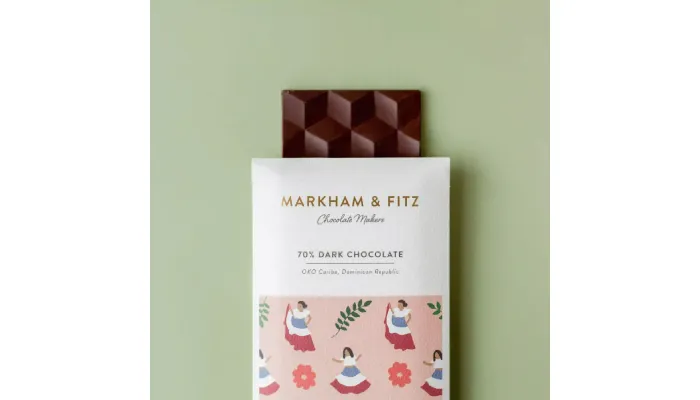
The best chocolate bars stand out mainly because of the quality and origin of their cocoa beans. Using rare varieties like Criollo or Trinitario from specific regions gives chocolates unique flavor notes, similar to fine wine. High cocoa percentages, usually above 60%, offer richer and less sweet tastes, while milk chocolates trade some intensity for creaminess. These bars keep ingredients pure, avoiding artificial additives and focusing on natural flavors enhanced by careful processing steps such as roasting and conching. Texture also matters: a good bar has a smooth melt with a clean snap when broken. Ethical sourcing and thoughtful packaging add to their appeal, making these chocolates worth seeking out.
Understanding Cocoa Solids Percentage
Cocoa solids percentage shows how much of the chocolate is made up of cocoa components, like cocoa mass and cocoa butter. Dark chocolate usually has at least 60% cocoa solids, with premium bars often between 70% and 85%. The higher the percentage, the stronger and more bitter the chocolate tends to taste, with less sweetness. Milk chocolate has lower cocoa solids and includes milk powders, which give it a creamier texture and a milder flavor. This percentage affects not just flavor but also texture and mouthfeel, making it a key factor in personal preference. Many chocolate bars clearly label their cocoa percentage to help consumers pick the intensity they like. While very high percentages above 85% can taste quite bitter and less smooth, which some people may not enjoy, lower percentages in dark chocolate are usually sweeter and softer, making them good for those new to dark chocolate. It’s important to remember that the cocoa percentage doesn’t guarantee quality but rather signals how rich and flavorful the chocolate might be. Ultimately, how cocoa solids balance with sugar and milk ingredients shapes the final taste and experience of each best chocolate bars.

Purity and Choice of Ingredients
The best chocolate bars stand out because they focus on purity and carefully chosen ingredients. Top brands keep their recipes simple, usually including only cocoa beans, cocoa butter, sugar, lecithin as an emulsifier, and natural vanilla. They avoid artificial flavorings, fillers, and unnecessary additives, which helps preserve the authentic taste of the chocolate. Natural vanilla is preferred over synthetic vanillin since it maintains a genuine flavor without any chemical aftertaste. When additional ingredients like nuts, dried fruits, sea salt, or spices are included, they are used sparingly to complement rather than overpower the chocolate’s natural profile. Some bars feature inclusions to create unique taste experiences while still prioritizing quality and ingredient integrity. Premium chocolates often use organic and non-GMO components, reflecting a commitment to both flavor and ethical sourcing. Overusing sweeteners or fats can dilute the chocolate’s complexity and affect its mouthfeel, so careful balance is key. Transparent ingredient lists build consumer trust by clearly showing what’s inside every bar. While chocolate without preservatives tends to have a fresher, more vibrant flavor, it may have a shorter shelf life, which many quality-focused brands accept to maintain purity. In the end, the careful selection and minimal use of ingredients directly impact flavor, texture, and the overall trust consumers place in the product.
Key Chocolate Processing Methods
The journey from cocoa bean to chocolate bar involves several crucial processing steps that shape flavor, texture, and appearance. Fermentation and drying are the first stages where beans develop flavor precursors that later influence the chocolate’s complexity. Roasting then unlocks aromatic compounds, deepening the taste with rich, toasty notes. After roasting, grinding turns the beans into chocolate liquor, the essential base for all chocolate bars. Conching follows, a lengthy mixing process that smooths the texture and reduces bitterness by evaporating volatile acids. Longer conching times generally enhance creaminess and flavor balance, resulting in a more refined experience. Tempering is the final critical step, involving precise heating and cooling to stabilize cocoa butter crystals. This creates a glossy surface and the satisfying snap prized in high-quality chocolate, while also preventing bloom, which can make the chocolate look dull or streaky. Small-batch artisan makers often tweak these details manually to bring out unique flavor profiles that mass production can’t match. Though modern technology helps maintain consistency, it’s the careful control at each stage that really sets the best chocolate bars apart, influencing every bite’s aroma, texture, and overall enjoyment.
Physical Traits: Gloss, Snap, and Texture
A glossy, shiny surface on a chocolate bar is often the first sign of quality craftsmanship and proper tempering. This smooth finish results from well-formed cocoa butter crystals, which not only look appealing but also protect the chocolate from bloom and premature aging. While a dull or dusty appearance can sometimes indicate poor tempering or that the bar has aged, it doesn’t always mean the flavor is off. The snap of a chocolate bar is another key physical trait; a clean, crisp break signals well-formed crystals and good texture. Chocolate that crumbles, feels waxy, or breaks unevenly usually points to inferior processing or tempering issues. Texture plays a major role in the overall experience, smooth chocolate that melts slowly in the mouth delivers a richer, more enjoyable taste. Some artisan or stone-ground chocolates might have a slight natural grit, adding a rustic feel that many chocolate lovers appreciate. On the other hand, chalky or crumbly textures are generally a red flag, often indicating poor ingredient quality or processing flaws. The thickness and design of the bar also influence mouthfeel, with thicker bars offering a denser melt and more tactile satisfaction. These physical characteristics often reflect the bar’s freshness and how well it has been stored, shaping consumer expectations even before the first bite.
Flavor Balance and Aroma Profiles
The best chocolate bars stand out through a careful balance of flavors that combine the natural bitterness of cocoa with complementary fruity, nutty, floral, or earthy notes. This harmony avoids the pitfalls of overpowering sweetness or harsh bitterness, creating a smooth, enjoyable taste experience. Aroma plays a key role, with scents ranging from bright fruity and floral hints to deeper toasty or earthy undertones that develop during roasting and conching. These subtle layers often include spice or caramel nuances, adding complexity without overwhelming the palate. The lingering aftertaste is another indication of quality, offering a pleasant finish free from chemical or artificial flavors. Variations in cacao percentage and bean origin cater to different preferences, whether one prefers the mellow richness of 70-75% dark chocolate or the intense depth of 80-85%. Natural vanilla and minimal additives help maintain clear flavor profiles, allowing tasting notes like berry, citrus, nuts, or wood, reflecting the bean’s terroir, to shine through. Ultimately, the interplay between flavor and aroma shapes the initial perception and overall enjoyment, making these chocolate bars memorable and distinct.
Ethical Sourcing and Certifications
Ethical sourcing is a key reason why some chocolate bars stand out. Fair Trade certification ensures that cocoa farmers receive fair wages and work in safe conditions, which helps improve their quality of life. Organic certification adds another layer of trust by confirming that no synthetic pesticides or fertilizers were used, supporting healthier farming and better environmental impact. Non-GMO labels reassure consumers that the ingredients are free from genetically modified organisms, while vegan and kosher certifications address specific dietary needs, expanding the reach and inclusivity of these chocolates. Many brands go beyond certifications by adopting traceability programs that verify the origin and farming methods of their cocoa directly, increasing transparency. Ethical sourcing often ties closely to sustainable farming practices that protect the environment and promote biodiversity. Brands committed to these values usually reinvest in local communities, supporting education, healthcare, and infrastructure. This commitment can lead to stronger brand reputation and consumer loyalty, especially among buyers willing to pay a premium for chocolates with verified ethical practices. Certifications not only add credibility but also provide consumers with clear information to make conscious choices. Ultimately, these ethical efforts reflect in the quality and story behind each chocolate bar, making them more than just a treat but a product with purpose.
- Fair Trade certification ensures cocoa farmers receive fair wages and work in safe conditions.
- Organic certification confirms no synthetic pesticides or fertilizers were used in cocoa farming.
- Non-GMO labeling assures consumers that ingredients are free from genetically modified organisms.
- Vegan and kosher certifications cater to specific dietary needs and increase market reach.
- Ethical sourcing often aligns with sustainable farming practices that protect the environment.
- Certifications add credibility and transparency to brand claims.
- Consumers willing to pay more may seek chocolates with strong ethical commitments.
- Traceability programs allow brands to verify origin and farming methods directly.
- Brands promoting farmer welfare usually reinvest in local communities.
- Ethical practices can influence brand reputation and consumer loyalty.
Reputation and Innovation in Chocolate Brands
Established chocolate brands like Lindt, Valrhona, and Ghirardelli have built their reputation through decades of consistent quality and craftsmanship. Their experience ensures reliable flavor profiles that consumers trust. At the same time, artisan brands bring fresh energy by focusing on small-batch production, which allows them to highlight unique cocoa origins and experiment with innovative flavors. These smaller producers often collaborate closely with farmers and experts to improve bean quality and emphasize terroir, which adds a layer of storytelling and authenticity to their bars. Innovation goes beyond flavor; it includes creative fillings, the use of local spices or unusual inclusions, and even sustainable packaging that meets growing consumer demands for ethics and environmental responsibility. Transparent sourcing and production stories help brands connect with buyers, building trust and loyalty. Limited edition and seasonal bars also play a key role in attracting those looking for something new and exciting. Awards and positive reviews further elevate brand status, influencing price points and setting expectations. Overall, a chocolate bar’s reputation combined with its willingness to innovate defines why it stands out in a crowded market.
Packaging Impact on Perception and Value
Packaging plays a crucial role in shaping how consumers perceive chocolate bars and their overall value. Premium chocolates often come wrapped in elegant, sturdy materials designed not only to protect the bar from damage and temperature changes but also to preserve freshness through foil or airtight wrappers. This careful packaging helps maintain the chocolate’s quality from production to consumption. Attractive design grabs attention on crowded shelves and can justify a higher price point by signaling care and craftsmanship. Clear labeling of cocoa percentage, origin, and certifications offers transparency, helping buyers make informed choices. Many brands use packaging to tell a story about their cocoa’s origin or their ethical values, adding an emotional connection that goes beyond taste alone. Gift-worthy packaging usually features artistic designs or reusable boxes, making the chocolate feel special even before opening. In today’s market, eco-friendly and recyclable packaging is increasingly important, as consumers look for sustainable options that align with their values. The size and shape of packaging can also influence how people enjoy the chocolate, aiding portion control or enhancing the tasting experience. Some bars include tasting notes or pairing suggestions right on the wrapper, guiding consumers to appreciate complex flavors. Overall, the quality and thoughtfulness of packaging strongly impact perceived value, often setting expectations before the first bite.
Finding the Best Chocolate Bars
Finding the best chocolate bars involves more than just picking a brand off the shelf. Specialty chocolate shops are a great starting point since they offer carefully chosen selections and staff who can guide you based on your taste preferences and interests. Many supermarkets also have gourmet sections where you can find premium and imported brands, making it easier to explore quality options without leaving town. For those looking for rare or artisan chocolates, online retailers open up a world of possibilities beyond local markets, often including subscription boxes that let you sample a variety of chocolates over time. Manufacturer websites are another valuable resource, providing detailed product information and direct purchasing options. When choosing a chocolate bar, look for clear labeling that includes cocoa content, bean origin, and certifications like Fair Trade or organic status to ensure quality and ethical sourcing. Reading reviews and awards can help identify standout products, while trying different cocoa percentages helps you find what suits your palate best. Pay close attention to ingredient lists, favoring bars with pure ingredients and minimal additives. Don’t overlook local artisan producers either, as they often offer fresh, unique flavors you won’t find in larger brands. Combining these approaches makes discovering the best chocolate bars a rewarding and enjoyable experience.
Evaluative Criteria from Taste Tests
When taste testers evaluate chocolate bars, several key factors come into play beyond just flavor. First, the quality of cocoa beans matters greatly. Bars made from Criollo or Trinitario beans tend to have more nuanced and delicate taste profiles compared to those using Forastero beans. The origin of these beans adds another layer of complexity, as single-origin chocolates reflect the unique characteristics of their growing region, much like wine terroir. Cocoa solids percentage is also critical: higher percentages usually deliver a more intense and slightly bitter experience, while lower percentages offer a creamier, sweeter feel. Ingredient purity is essential too, chocolates with minimal additives and natural vanilla maintain an authentic taste that stands apart from those with fillers or artificial flavors. The craftsmanship in processing affects texture and aroma; well-fermented and expertly roasted beans, combined with fine conching and tempering, produce a glossy finish with a satisfying snap and smooth, slow-melting texture. Testers look for a balanced flavor profile where bitterness harmonizes with fruity, nutty, or floral notes, ensuring the chocolate isn’t too sweet or overwhelmingly bitter. A pleasant aroma that hints at these flavor notes enhances the tasting experience. Ethical considerations, such as Fair Trade and organic certifications, also influence perception, adding value for many consumers. Overall, a chocolate bar that excels in appearance, texture, aroma, flavor, and ethical sourcing will stand out in taste tests, offering a full sensory experience that goes beyond just sweetness or bitterness.
Top Rated Chocolate Bars and What Makes Them Special
Top chocolate bars distinguish themselves through a combination of texture, flavor, and ethical values. For example, TCHO Dark Duo 75% is celebrated for its smooth, fudge-like feel and a well-balanced mix of fruity and nutty notes that appeal to those who enjoy complexity without harsh bitterness. Divine Dark Chocolate 85% stands out with its excellent snap and a floral aroma that complements its harmonious bitterness, making it a favorite among dark chocolate purists. Pascha Organic 85% offers a clean, natural experience; its certified vegan, organic, and non-GMO profile ensures no artificial additives disrupt its layered flavors. Amano Artisan Dos Rios 70% impresses with a silky texture and unique raspberry and orange fruit hints, showing how artisan craftsmanship can highlight subtle fruitiness. Theo Dark Chocolate 85% combines a smooth mouthfeel with restrained bitterness at a more accessible price, providing quality without compromise. Meanwhile, the L.A. Burdick Everyday Chocolate Assortment Box delivers variety through carefully crafted bonbons where complementary flavors enhance the overall chocolate experience. Many of these bars focus on single-origin beans, which connect the flavor to specific regions, giving each bar a unique taste story. Artisan techniques, like small-batch production and traditional conching and tempering, refine texture and flavor in ways mass-produced bars cannot match. Ethical sourcing, often backed by Fair Trade certifications, appeals to consumers who want their indulgence to support sustainable practices. Finally, some brands push boundaries with balanced inclusions such as nuts, spices, or sea salt, adding layers of interest without overshadowing the chocolate itself, creating a memorable tasting experience.

Blake Frank is a marketer and tech enthusiast based in Idaho. With over 9 years of experience in the digital marketing industry, he has gained a wide range of knowledge and skills such as SEO, web design, and digital analytics. Blake is passionate about providing insights into how technology and marketing intersect to create successful marketing strategies. In his free time, he enjoys mountain biking and exploring the great outdoors.