
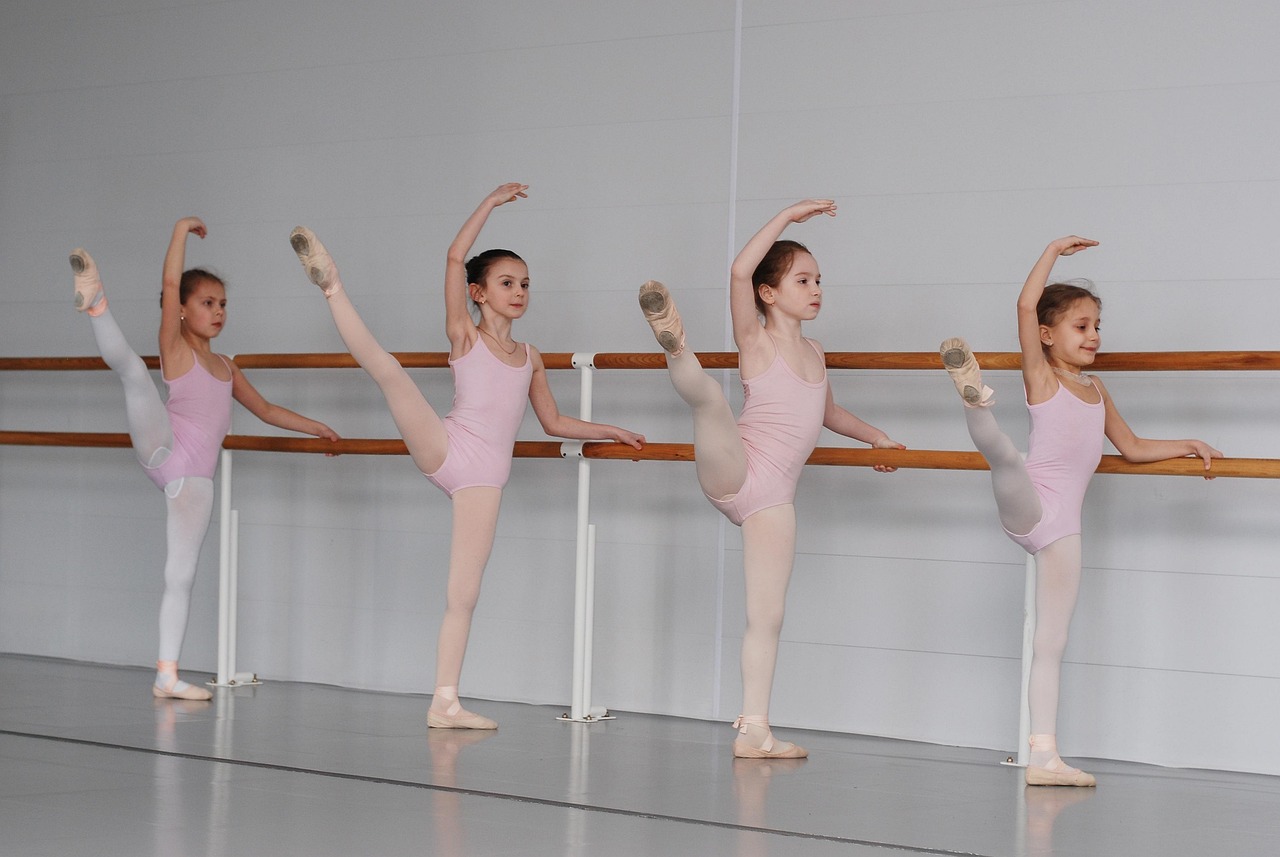
Taking ballet classes in Toronto presents numerous benefits for people at all levels. Engaging in ballet can significantly enhance physical fitness, improving strength, flexibility, and posture. These classes also provide cognitive stimulation through learning choreography, boosting memory and coordination skills. Furthermore, participating in ballet fosters emotional development by building confidence and offering social interaction with peers. It serves as an enjoyable escape from daily stressors while promoting well-being through creative expression. With options for children, adults, and seniors alike, everyone can find a suitable class that matches their needs. Not only does this art form enrich lives physically and socially, but it also cultivates a deeper appreciation for dance as an artistic expression.
1. Benefits of Physical Fitness in Ballet
Ballet classes offer numerous benefits for physical fitness, making them a great choice for anyone looking to improve their overall health. One of the key advantages is the improvement in body strength and endurance. Engaging in the various movements and routines of ballet helps build muscular strength, particularly in the core, legs, and back, which can make everyday activities feel easier.
Flexibility is another significant benefit. The stretching and strengthening involved in ballet not only enhance flexibility but also contribute to a greater range of motion, which can help prevent injuries in other sports and physical activities. As dancers learn to align their bodies properly, they also develop better posture. This can lead to reduced back pain and promote overall health, as good posture is essential for physical well-being.
The rigorous nature of ballet also boosts cardiovascular fitness. The combination of intense physical activity and continuous movement elevates heart rates, improving cardiovascular health over time. Additionally, ballet strengthens core muscles, which are crucial for maintaining balance and stability during various movements.
Weight management is another benefit, as ballet classes in Toronto burn calories and promote physical exertion. This encourages healthy habits and regular physical activity, fostering a lifelong commitment to fitness.
Ballet also improves coordination and motor skills through the practice of complex movements and choreography. As students learn to execute these movements, they develop better body awareness and control. Furthermore, the low-impact nature of ballet supports joint health, reducing wear and tear on the body.
Finally, engaging in ballet boosts energy levels, allowing participants to feel more active and engaged in their daily lives. Overall, the physical fitness benefits of ballet make it an appealing choice for individuals at any skill level.
2. Cognitive Gains from Ballet Training
Ballet training offers significant cognitive benefits that extend beyond the dance studio. One of the most notable gains is enhanced memory. Dancers must memorize intricate sequences of steps and routines, which sharpens their ability to retain information. This process not only improves memory but also enhances focus, as dancers learn to concentrate on their movements and timing. Furthermore, ballet encourages problem-solving skills. Interpreting choreography often requires dancers to analyze their movements and make quick adjustments, fostering critical thinking and creativity. As dancers navigate the space around them, they develop spatial awareness, crucial for executing movements safely and effectively. The sustained concentration needed during classes and rehearsals also leads to improved attention spans. Additionally, ballet instills discipline and commitment, as regular practice is essential for mastering techniques. The environment of a ballet class promotes quick decision-making, especially during improvisations or live performances, where dancers must think on their feet. Finally, ballet enhances multitasking abilities, as dancers coordinate their body movements while maintaining rhythm and expression. Overall, these cognitive gains contribute to a well-rounded mental capacity that benefits individuals in various aspects of life.
3. Emotional Growth Through Dance
Ballet classes in Toronto offer a unique opportunity for emotional growth, making dance a powerful form of self-expression. Through movement, dancers can convey their feelings, whether joy, sadness, or anything in between. This form of expression fosters resilience, as students learn to face and overcome challenges during their training. Every time a dancer struggles with a new routine, they build the emotional strength to push through setbacks, which can be empowering.
Moreover, the physical activity involved in ballet releases endorphins, improving mood and overall emotional well-being. As dancers master new skills, they experience a sense of achievement, boosting their self-esteem and confidence. Ballet also serves as a healthy outlet for stress and anxiety, allowing individuals to regulate their emotions in a constructive way.
Participating in a ballet class cultivates a sense of belonging within a community of like-minded individuals. This supportive atmosphere enhances emotional connections, making it easier to form friendships and experience camaraderie. Additionally, through performance, dancers develop empathy, as they learn to interpret and connect with the emotions of others. This introspection can lead to personal insights, enriching their understanding of themselves and their experiences. Ultimately, ballet not only nourishes the body but also nurtures the soul, providing a fulfilling sense of purpose through creative expression.
4. Social Connections in Ballet Classes
Ballet classes are not just about perfecting technique and improving physical fitness; they also offer a wonderful opportunity to build social connections. In group classes, dancers collaborate on performances, fostering a sense of teamwork that can lead to lasting friendships. When participants share a common interest in dance, it creates a natural environment for social interaction, allowing them to bond over shared experiences. This interaction is particularly beneficial for children and teens, as it encourages healthy social skills and emotional development.
Moreover, ballet classes often cultivate a supportive community. Dancers motivate one another, offering encouragement during challenging routines or performances. This support network can be invaluable, especially for beginners who may feel intimidated. Communication skills naturally develop as dancers interact and work together, learning to respect and understand diverse backgrounds. Adults also find unique networking opportunities through these classes, both socially and professionally.
Mentorship plays a significant role as well, with experienced dancers guiding novices, creating an enriching environment for growth. The sense of belonging within a ballet class can be profound, making participants feel valued and included. Overall, the shared journey of learning and expressing through dance strengthens social bonds, leading to lasting connections and a vibrant community.
5. Stress Relief and Well-being in Ballet
Ballet provides an effective way to relieve stress and enhance overall well-being. The physical activity involved serves as a release, helping to reduce tension that can build up throughout the day. As dancers focus on their movements and the accompanying music, they cultivate mindfulness, which allows them to be present in the moment. This focus encourages relaxation, often complemented by rhythmic breathing patterns that promote a sense of calm. Engaging in ballet can uplift mood, leading to feelings of happiness and contentment. It also offers a creative outlet for self-expression, allowing dancers to release emotions through movement. Taking ballet classes provides a much-needed break from daily routines and pressures, acting as a mental escape that clears the mind of distractions. The challenges faced in dance build resilience to stress, and the sense of accomplishment after mastering a routine can significantly boost morale and self-worth. Additionally, regular participation in ballet encourages healthy lifestyle choices, as the commitment to physical activity fosters a more balanced and fulfilling life.
6. Inclusive Ballet Classes for All Ages
Ballet classes in Toronto are designed to be inclusive, offering opportunities for everyone from beginners to advanced dancers. Specialized programs cater to children, adults, and seniors, ensuring that each age group receives appropriate instruction tailored to their needs. These classes promote diversity by welcoming participants from various backgrounds and experiences, fostering a sense of community. For individuals with special needs, adaptive classes are available, making ballet accessible to all. This welcoming environment emphasizes respect and support among participants, encouraging everyone to learn and grow together. Mixed-age classes create cross-generational connections, allowing dancers of different ages to share their experiences and learn from one another. Ballet also promotes lifelong learning, as individuals can pursue their passion for dance at any stage of life. For children, ballet enhances physical literacy, helping them develop essential movement skills. Community engagement is encouraged through local performances, where dancers can showcase their talents and connect with others. Ultimately, ballet serves as a joyful activity that can enrich lives, regardless of age or experience.
7. Special Benefits for Children in Ballet
Ballet classes provide numerous benefits for children that go beyond just dance. They promote physical development by helping kids refine their motor skills, which is crucial during their formative years. The structured nature of ballet encourages discipline and focus, skills that are essential for academic success. Through expressive movement, children can explore their creativity and imagination, which contributes to their cognitive and emotional growth. Performing in front of peers and audiences builds their confidence, allowing them to embrace their abilities and express themselves freely.
Social skills are also enhanced in ballet classes, as children learn to work together in a team setting. This collaborative environment fosters friendships and teaches them the importance of communication and cooperation. Ballet also provides an emotional outlet, giving children a safe space to express their feelings and experiences through movement.
Regular classes instill a sense of routine and commitment, which can benefit children in various aspects of their lives. Moreover, ballet enhances their spatial awareness and coordination, skills that are beneficial not only in dance but also in other sports and activities. The emphasis on healthy physical activity promotes fitness from a young age, laying the groundwork for a healthy lifestyle.
Finally, ballet instills an appreciation for the arts, encouraging cultural awareness and appreciation. By engaging with dance, children gain insights into the rich history and diverse expressions of artistic movement, helping them develop a well-rounded perspective on the world.
8. Advantages of Adult Ballet Classes
Adult ballet classes offer a fun and engaging way to stay active and fit. Many adults find that the structured environment of ballet not only keeps them physically active but also breaks the monotony of daily routines. In these classes, participants can forge new friendships and build connections, creating a supportive community that enriches their experience.
Ballet also serves as a creative outlet, allowing adults to express themselves and relieve stress through movement. This form of dance promotes body awareness and alignment, which can significantly improve posture and reduce the risk of injuries in everyday life. Furthermore, adult ballet encourages lifelong learning, providing a platform for individuals to explore their passion for dance and set personal goals.
The physical activity involved in ballet supports mental health by fostering community engagement and providing a much-needed break from daily responsibilities. This personal time is essential for self-care, and the joy of mastering new skills fosters a sense of accomplishment and pride, especially when participating in performances. Additionally, ballet is a low-impact exercise that effectively contributes to fitness while being gentle on the body, making it an ideal choice for adults seeking to stay active.
9. Ballet for Seniors: Mobility and Health
Ballet classes for seniors offer numerous benefits that can significantly enhance their quality of life. One of the primary advantages is improved flexibility and strength, which promotes better mobility in daily activities. As seniors engage in ballet, they develop stronger muscles and greater range of motion, making everyday tasks easier. Furthermore, ballet helps improve balance, which is crucial for reducing the risk of falls and injuries, a common concern for older adults.
In addition to physical benefits, ballet provides a supportive social environment. This aspect is particularly important for seniors, as it helps combat feelings of loneliness and isolation. Participating in a class allows them to meet new people and build friendships, fostering a sense of community. Regular physical activity through ballet also encourages overall health, which is vital for maintaining vitality in later years.
Moreover, ballet engages the mind as well as the body. Learning choreography and music stimulates cognitive function, keeping the brain active and sharp. This mental engagement can help enhance memory and focus, which may decline with age. The low-impact nature of ballet makes it an ideal exercise choice for seniors, putting less strain on joints and muscles while still providing an effective workout.
Ballet also encourages self-expression, allowing seniors to connect with their emotions through movement. This aspect can be incredibly therapeutic, helping them process feelings and boost emotional well-being. Additionally, the practice supports coordination and fine motor skills, which can often diminish as one ages. By participating in ballet, seniors not only improve their physical health but also enrich their lives through socialization and community involvement.
10. Cultural Appreciation Through Ballet
Ballet classes in Toronto go beyond mere dance instruction; they introduce participants to the rich history and traditions of ballet as an art form. As students learn various techniques, they also explore diverse dance styles from around the globe, broadening their understanding of movement and expression. This exploration fosters an appreciation for the artistic elements of performance, such as music and costumes, enriching the overall experience.
Through ballet, individuals gain insight into different cultural traditions, promoting a deeper understanding of cultural diversity. Each ballet tells a story, enhancing narrative comprehension and allowing dancers to connect with the emotions and themes depicted in the performances. Learning about famous ballets and their cultural significance also deepens this appreciation, offering context to the movements and narratives.
Moreover, ballet encourages creative expression that reflects personal and cultural experiences. As dancers engage in this art form, they often feel a sense of pride in their cultural heritage, especially when performing pieces that resonate with their identity. Attending local ballet performances not only supports the arts community but also sparks discussions about culture, history, and artistic expression. In this way, ballet serves as a bridge, connecting individuals through shared experiences and fostering a greater appreciation for the diverse world of dance.
Frequently Asked Questions
What benefits does ballet offer for physical health?
Ballet classes can improve your strength, flexibility, and balance. Through practice, you can build better posture and coordination, which can enhance your overall fitness.
Can beginners really learn ballet?
Absolutely! Ballet classes in Toronto cater to all levels, from complete beginners to advanced dancers. Instructors are trained to guide you step by step, making it accessible for everyone.
How does ballet help with mental health?
Taking ballet classes can boost your mood and reduce stress. The focus and discipline required can also enhance concentration and promote a sense of achievement.
Is ballet suitable for kids?
Yes, ballet is a fantastic choice for children. It not only teaches them dance but also instills discipline, teamwork, and confidence, making it a well-rounded activity.
What can I expect in a typical ballet class?
A typical ballet class usually includes a warm-up, barre exercises, center work, and possibly some choreography. The class structure helps you gradually develop your skills.
TL;DR Ballet classes in Toronto offer various benefits for all ages and skill levels, including improved physical fitness, cognitive function, emotional growth, and social connections. Participants can experience stress relief and find joy in movement, with classes tailored for children, adults, and seniors. Ballet also fosters cultural appreciation, making it a holistic approach to wellness and personal development.