

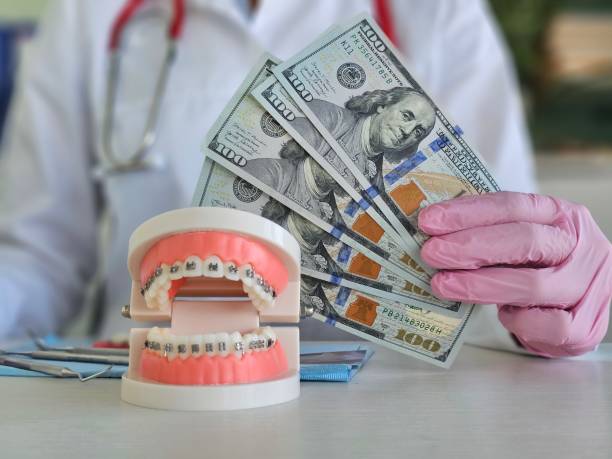
Dental consultation showcasing orthodontic model with braces and a hand holding cash in a medical office setting
Patients frequently ask search engines why their quoted dental bills seem unusually high after a routine clinic visit. When looking at Aspen Dental specifically, the perceived high cost usually comes down to their comprehensive treatment planning methodology rather than individual procedure prices. We review the core reasons behind these costs, how the corporate pricing structure works and what patients can realistically expect during their initial visits.
The Direct Answer: Are Aspen Dental Prices Higher Than Average?
Aspen Dental is not necessarily more expensive on a per-procedure basis when compared to a traditional private practice. The high out-of-pocket costs patients report online are typically the result of extensive, multi-step treatment plans presented during the very first visit. Because Aspen Dental often attracts a demographic of patients who have not visited a dentist in years, their initial exams frequently uncover the immediate need for deep cleanings, multiple extractions or full dentures. The sticker shock comes from seeing years of deferred maintenance priced out on a single sheet of paper.
Understanding the Dental Support Organization (DSO) Model
Aspen Dental operates under a business structure known as a Dental Support Organization (DSO). This means a large corporate entity handles the business management, marketing, equipment purchasing and administrative tasks while licensed dentists focus solely on clinical care.
This corporate model relies heavily on high patient volume and comprehensive service offerings. Because the individual offices have strict revenue targets and operational costs to cover, the administrative staff is trained to present the full scope of a patient’s dental needs immediately. Private practices often prioritize acute issues and slowly phase in additional treatments over the years. The DSO model prefers to map out the entire restoration process upfront.
The “Free Exam” and the Comprehensive Treatment Plan
A major source of cost confusion stems from the initial onboarding process. Aspen Dental heavily advertises free exams and X-rays for new patients without insurance. During this visit, patients receive a panoramic X-ray, a 3D scan and a full oral evaluation.
Following the clinical exam, the dentist leaves and patients are escorted to an office manager. This manager presents a printed, itemized treatment plan. This document outlines every single recommended procedure required to achieve optimal oral health. Instead of addressing a single immediate problem (like a chipped tooth), the clinic quotes the entire restoration process. A patient walking in for a simple filling might receive a quote for that filling, a deep cleaning, an electric toothbrush and future preventative care. Seeing a total estimated cost of $3,000 or more creates the immediate impression of inflated pricing.
Breakdown of Typical Aspen Dental Costs vs. National Averages
To truly understand the pricing structure, we can compare their standard baseline procedures. While actual prices vary by location, local cost of living and individual franchise ownership, the baseline fees align closely with benchmark data provided by the American Dental Association (ADA) surveys on dental fees.
| Procedure Category | Aspen Dental Estimated Range | National Private Practice Average |
| Standard Cleaning (Prophylaxis) | $80 – $130 | $100 – $150 |
| Deep Cleaning (Per Quadrant) | $200 – $350 | $250 – $400 |
| Simple Extraction (Per Tooth) | $150 – $250 | $130 – $250 |
| Basic Dentures (Upper or Lower) | $600 – $1,000 | $800 – $1,500 |
| Premium Dentures (Upper or Lower) | $1,200 – $2,000 | $1,500 – $3,000 |
The individual line items are standard for the dental industry. The total bill becomes expensive only because multiple procedures are bundled into a single actionable timeline.
The Denture Tier System
A significant portion of Aspen Dental’s business focuses on extractions and prosthetics. They do not offer a single flat-rate denture. Instead, they provide multiple tiers of prosthetics ranging from Basic to Premium.
The Basic dentures represent the lowest advertised price point but often lack the aesthetic customization, natural gum coloring and long-term warranty of higher tiers. During consultations, the staff will often recommend the mid-tier or premium options for better fit, durability and stain resistance. A patient expecting to pay the promotional $600 rate for a set of dentures may walk out with a $2,000 quote if they opt for the upgraded materials and the required warranty plans.
The Role of Deep Cleanings in Pricing Complaints
A frequent complaint found in online reviews involves the sudden diagnosis of periodontal disease requiring Scaling and Root Planing (commonly known as a deep cleaning). Standard cleanings are purely preventative. If the dentist measures deep pockets in the gums, indicating bone loss or active infection, they are legally and ethically required to treat the disease before performing preventative care.
Deep cleanings require local anesthesia, multiple office visits and specialized equipment. This changes a highly expected $100 cleaning bill into a $1,000 periodontal treatment plan. Patients often misinterpret this required clinical shift as an unnecessary corporate upsell.
The Aspen Dental Savings Plan
For uninsured patients, the company offers an internal discount membership called the Aspen Dental Savings Plan. For an annual fee (typically around $39), patients receive free exams, free X-rays and percentage-based discounts on standard procedures.
We note that this is not an actual insurance policy. It is a discount program valid only at participating Aspen Dental locations. While it reduces the sticker price of individual fillings or simple extractions, it does not cover the high costs of major restorative work or third-party lab fees.
Managing Third-Party Financing and CareCredit
Because comprehensive dental work is costly, Aspen Dental relies heavily on third-party financing to close treatment plans. They primarily utilize CareCredit, a dedicated healthcare credit card.
When the office manager presents the treatment plan, they concurrently offer a CareCredit application to cover the immediate out-of-pocket balance. CareCredit often provides promotional financing options like 6, 12 or 18 months with no interest if paid in full. Patients must understand the strict terms of deferred interest. If the promotional balance is not paid entirely by the end of the specified term, interest is charged retroactively from the original purchase date at a high annual percentage rate (frequently near 30%). This financing structure allows patients to receive immediate care but can lead to severe financial penalties if the debt is mismanaged.
Insurance Acceptance and Out-of-Network Costs
Aspen Dental accepts most major private health insurance plans. However, acceptance does not guarantee full financial coverage. Dental insurance functions very differently than medical insurance. Most dental plans operate essentially as discount coupons with strict annual maximums (usually capped between $1,000 and $2,000 per year).
Once a patient exceeds their annual maximum, they are responsible for 100% of the remaining costs. Because Aspen Dental’s treatment plans are so comprehensive, patients easily max out their insurance benefits during the very first phase of treatment. The remainder of the bill must be paid out-of-pocket or financed.
Strategies to Manage Costs at Aspen Dental
Patients always maintain control over their treatment progression. We recommend the following actionable steps to manage costs effectively when dealing with corporate dental offices:
- Ask for phased treatment: Request that the office manager break the comprehensive plan down into immediate priorities (addressing pain or active infection) and secondary procedures that can wait until the next calendar year to utilize fresh insurance benefits.
- Decline non-essential add-ons: Look closely at the itemized list before signing. You have the right to decline optional products like electric toothbrushes, specialized mouthwashes or cosmetic whitening treatments that inflate the final total.
- Seek a second opinion: If you are quoted for extensive periodontal work or multiple extractions and feel unsure about the clinical necessity, take your X-rays to a local independent private practice. You are entitled to copies of your own dental records under federal HIPAA regulations.
- Read financing terms carefully: If utilizing CareCredit, calculate the exact monthly payment required to pay off the principal before the promotional period ends. Do not rely on the minimum monthly payment shown on the physical statement.
Summary
Aspen Dental provides a highly accessible model for patients needing urgent care, fast dentures or comprehensive restorations. The widespread perception of high costs is driven by their internal protocol of quoting the entire mouth rather than individual teeth, combined with a patient demographic that often requires extensive restorative work. By understanding the itemized treatment plan, questioning optional add-ons and managing third-party financing responsibly, patients can utilize these clinics without facing unexpected financial burdens.

Blake Frank is a marketer and tech enthusiast based in Idaho. With over 9 years of experience in the digital marketing industry, he has gained a wide range of knowledge and skills such as SEO, web design, and digital analytics. Blake is passionate about providing insights into how technology and marketing intersect to create successful marketing strategies. In his free time, he enjoys mountain biking and exploring the great outdoors.