

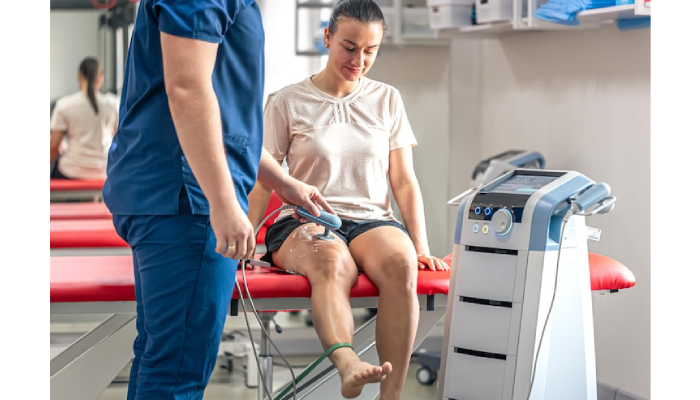
Robotic knee replacement surgery is a cutting-edge advancement in orthopedic medicine that offers enhanced precision, personalization, and potentially better outcomes for patients suffering from severe knee joint issues. This minimally invasive technique is transforming how surgeons perform knee replacements by combining robotic assistance with the skills of an experienced orthopedic surgeon. For individuals considering this option, understanding what to expect during robotic knee replacement surgery is crucial to preparing mentally, emotionally, and physically. This guide will walk you through each stage of the process, from pre-operative planning to post-surgical recovery, providing a detailed insight into how robotic knee replacement surgery works and what it means for your health and mobility.
Preoperative Planning and Consultation
Before robotic knee replacement surgery, patients undergo a comprehensive preoperative assessment. This includes a detailed medical history, physical examination, blood tests, and advanced imaging such as a CT scan or 3D modeling of the knee joint. These high-resolution images are crucial in robotic knee replacement surgery because they enable the surgical team to create a personalized digital plan of the knee.
During your consultation, your surgeon will explain how robotic knee replacement surgery differs from traditional surgery, discuss your candidacy for the procedure, and answer any questions. You’ll also receive instructions on pre-surgical preparations, such as fasting, medications to avoid, and exercises to strengthen your leg muscles. By understanding the preoperative requirements of robotic knee replacement surgery, patients can play an active role in their treatment and set realistic expectations for the procedure.
Day of Surgery and Operating Room Experience
On the day of robotic knee replacement surgery, patients typically arrive early at the surgical facility. After check-in and pre-surgical preparations, such as changing into a surgical gown and inserting an IV line, anesthesia will be administered. Most robotic knee replacement surgeries are performed under general or spinal anesthesia, depending on the patient’s health and preferences.
In the operating room, the robotic system is calibrated to your knee’s specific anatomy. During robotic knee replacement surgery, the surgeon uses robotic guidance to remove damaged bone and cartilage with unmatched accuracy and prepares the area for implant placement. The robotic system offers real-time feedback and precise control, helping the surgeon align the implant for optimal balance and functionality.
One of the most notable aspects of robotic knee replacement surgery is how efficiently the robotic assistance minimizes unnecessary bone removal and soft tissue damage. This can result in less postoperative pain, faster recovery, and a lower risk of complications, making robotic knee replacement surgery an increasingly popular option for patients seeking long-term relief from joint pain.
Recovery Room and Immediate Postoperative Care
After robotic knee replacement surgery, patients are moved to a recovery room for close monitoring while the anesthesia wears off. Medical staff will check vital signs, manage pain with appropriate medications, and assess initial movement and responsiveness. Most patients can expect to stay in the hospital for one to three days, depending on their overall condition and the surgeon’s recommendations.
Physical therapy begins shortly after robotic knee replacement surgery—sometimes on the very same day. The goal is to encourage movement, prevent stiffness, and begin rebuilding strength in the leg. Pain management is also a priority during the early stages of recovery. Because robotic knee replacement surgery is minimally invasive and more precise, many patients report reduced pain and swelling compared to traditional surgery.
Patients are encouraged to follow their care team’s instructions closely, as early mobilization is key to the success of robotic knee replacement surgery. Within days, most individuals can walk with the aid of a walker or crutches and gradually progress to more independent movement.
Rehabilitation and Physical Therapy
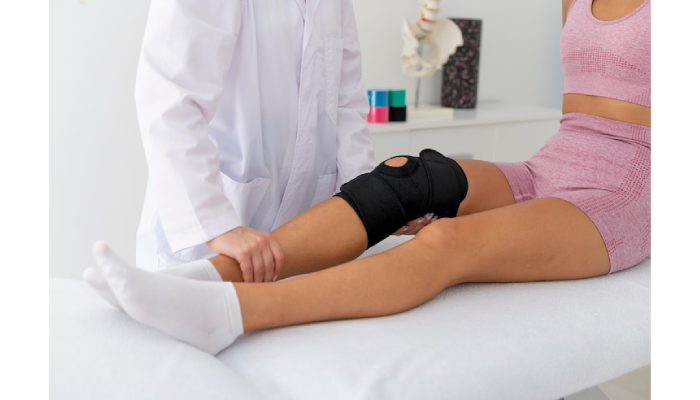
The rehabilitation process after robotic knee replacement surgery plays a crucial role in regaining mobility, strength, and confidence. Physical therapy is typically prescribed for several weeks or even months, depending on the patient’s recovery speed. The therapist will focus on improving range of motion, strengthening the quadriceps and hamstrings, and retraining the gait for natural walking.
Because of the precision involved in robotic knee replacement surgery, the implants are often better aligned with the body’s natural biomechanics. This can lead to more efficient and faster recovery during rehabilitation. Patients undergoing robotic knee replacement surgery may experience fewer complications, such as implant loosening or uneven wear, which means they can focus more on rehabilitation and less on managing setbacks.
Home exercises and lifestyle modifications also support recovery. Patients are usually advised to avoid high-impact activities for several months but are encouraged to stay active through walking, swimming, or cycling. Adherence to the rehabilitation plan is essential to ensuring the full benefits of robotic knee replacement surgery.
Potential Risks and Complications
While robotic knee replacement surgery offers several advantages over traditional methods, it’s still a major surgical procedure with potential risks. These include infection, blood clots, implant failure, and allergic reactions to materials used in the implant. However, because robotic knee replacement surgery allows for more accurate cuts and implant positioning, the likelihood of such complications is often reduced.
In rare cases, patients might experience stiffness or persistent pain even after robotic knee replacement surgery. It’s important to communicate openly with your surgeon during follow-up appointments to address any concerns early. Surgeons who perform robotic knee replacement surgery are trained to recognize and manage these risks proactively, further improving patient outcomes.
Long-Term Expectations and Quality of Life
Patients who undergo robotic knee replacement surgery generally report high levels of satisfaction with their results. Improvements in pain relief, range of motion, and daily function are commonly reported, allowing individuals to return to activities they once enjoyed. One of the most significant long-term benefits of robotic knee replacement surgery is the improved durability of the implants due to optimal placement and alignment.
While every patient heals at a different pace, many can resume light daily activities within a few weeks and return to more active lifestyles within three to six months. The success of robotic knee replacement surgery depends on several factors, including the patient’s age, weight, adherence to rehabilitation, and overall health.
As the technology continues to evolve, robotic knee replacement surgery is expected to become even more refined, offering shorter recovery times, fewer complications, and improved longevity of implants. By choosing robotic knee replacement surgery, patients are opting for a more advanced, personalized, and data-driven approach to joint replacement.
Resource URL:
https://en.wikipedia.org/wiki/Knee_replacement
https://drrichardmeyer.com/orthopedic-conditions/mako-robotic-arm-assisted-total-knee-replacement/

Blake Frank is a marketer and tech enthusiast based in Idaho. With over 9 years of experience in the digital marketing industry, he has gained a wide range of knowledge and skills such as SEO, web design, and digital analytics. Blake is passionate about providing insights into how technology and marketing intersect to create successful marketing strategies. In his free time, he enjoys mountain biking and exploring the great outdoors.