

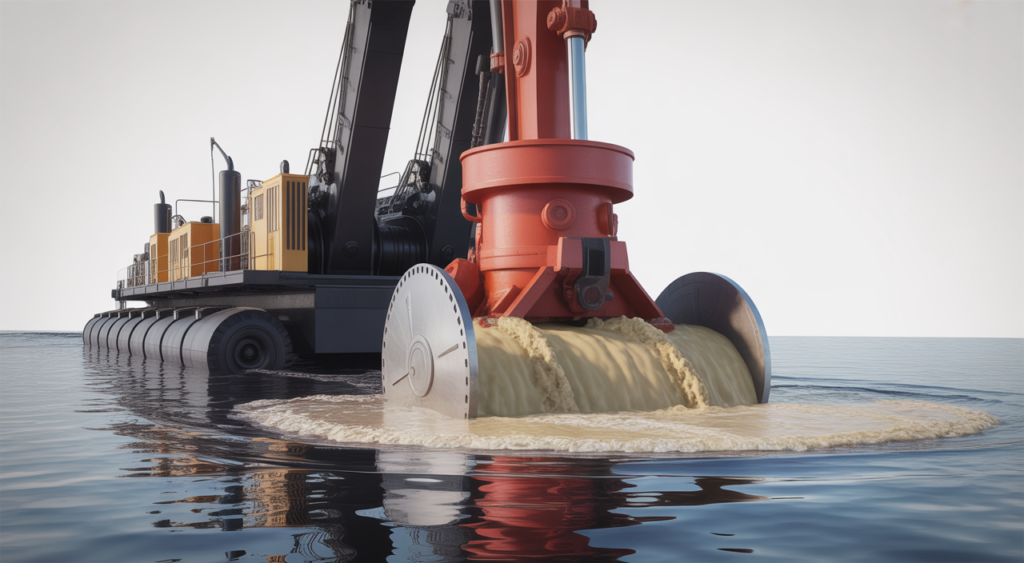
A hydraulic dredge is a powerful machine used to remove soil, sand, or silt from underwater and pump it to another location. For Indian investors and project owners, it can be a smart way to deepen rivers, clean lakes, maintain ports, or reclaim land. Understanding how this system works helps you plan projects with better control over time and budget.
In this guide, you will learn what a hydraulic dredge is, how it operates, the main types, and how to choose the right model for your work. You will also see how it can improve returns on infrastructure and environmental projects across India.
We will keep the language simple and practical, so you can confidently discuss options with contractors, consultants, and equipment suppliers.

What Is a Hydraulic Dredge?
A hydraulic dredge is a piece of sediment removal equipment that loosens material from the waterbed and pumps it as a slurry through a pipeline. A slurry is a mix of solids, like sand or mud, and water. The goal is to move this mixture from the bottom of a river, lake, canal, or pond to a safe disposal or reuse area.
Key parts of a typical unit include:
- Suction head or cutterhead that breaks up compacted soil or silt.
- Slurry dredging pump that pulls in the mixture and pushes it into the pipeline.
- Slurry transport pipeline that carries the material to a shore or land location.
- Floating or pontoon platform that holds the system on water.
Compared with a mechanical dredger that lifts material in buckets, a hydraulic system is continuous. It pumps material non-stop, which often gives higher productivity and smoother control over where and how far the material travels.
How Does a Hydraulic Dredge Work?
The hydraulic dredging process usually follows a clear sequence. Once you know this, you can better estimate time, fuel use, and manpower needs.
- Positioning the dredge in the target area using ropes, anchors, or spuds.
- Cutting and loosening bottom material with the dredge cutterhead or suction head.
- Mixing with water to create an easy-to-pump slurry.
- Pumping the slurry through the pipeline to a disposal pond, geotextile bags, or land reclamation site.
- Settling and dewatering the solids, while water is sometimes treated and returned to the source.
This pump dredging system allows you to move large volumes quickly and place them with high accuracy, which is vital for harbor maintenance dredging, industrial lagoons, and water treatment plants.
Types and Sizes of Hydraulic Dredges
Different projects need different capacities. Choosing a small or large model depends on waterbody size, sediment type, and project deadlines.
- Mini or small hydraulic dredge Ideal for ponds, small industrial basins, fish farms, and resort lakes. They are easier to transport and set up, and they require less crew.
- Standard-size units Suitable for city lakes, canals, and medium-size ports. They balance mobility with strong volume capacity.
- Heavy-duty systems Designed for mining, big rivers, and coastal land reclamation. They can handle dense material like sand and gravel and work for long shifts.
You may also see special configurations such as:
- Cutter suction dredge with a rotating cutterhead for hard or compacted soils.
- Plain suction dredger for softer silt where cutting is not required.
- Trailing suction hopper ships for large offshore works, where the vessel itself stores the material.
Key Benefits for Indian Investors
For developers, government agencies, and industrial plant owners, a hydraulic dredge brings several clear advantages.
- High efficiency Continuous pumping allows high daily production, which helps keep large projects on schedule.
- Long-distance transport Material can be pumped through many hundreds of meters of pipeline, avoiding endless truck trips and local traffic issues.
- Compact operating footprint The work mostly happens on water, so there is less disruption to nearby residents and businesses.
- Flexible applications One unit can serve different jobs, from cleaning a polluted lake to deepening a river channel or maintaining an industrial lagoon.
For a quick sense of how such equipment fits into a broader industrial strategy, you can also look at resources like this overview of industrial waste recycling projects. Both fields share a focus on long-term environmental and financial gains.
What Are the Main Costs and Returns?
When you plan a project, it helps to look beyond just purchase price and think in terms of total cost of ownership. This includes the full life of the dredge.
- Capital cost for the dredge, pipeline, and support equipment like booster pumps or survey tools.
- Operating cost including fuel, crew wages, routine maintenance, and spare parts.
- Indirect cost such as permits, environmental monitoring, and land for the disposal area.
On the returns side, the numbers can be very attractive. For example, a city that restores a polluted lake not only protects public health but can also lift nearby real-estate values and boost tourism. An industrial unit that clears a clogged intake channel may avoid costly shutdowns and keep power or production stable.
How to Choose the Right Hydraulic Dredge
Indian investors can use a simple checklist when comparing options.
- Project size and depth Match pump capacity and pipeline length to the total volume you need to remove and the working depth.
- Sediment type Soft silt needs less power than packed sand or gravel. For hard material, a cutter suction design is usually better.
- Disposal distance Longer pipeline runs may need booster pumps and stronger motors.
- Environmental rules Check turbidity limits, noise levels, and working hours as per local regulations.
- Local support Ensure the supplier offers training, spare parts, and quick service inside India or nearby.
Creating a basic financial model, similar to what you would do when planning any infrastructure or industrial upgrade, can help. If you want to study more on planning and budgeting approaches, you may find this guide to different types of project budgets a useful mindset reference.
Maintenance Tips for Long-Term Value
Regular care protects your investment and keeps work running smoothly. A simple preventive schedule can avoid surprise breakdowns.
- Inspect the pump and pipeline daily for leaks or abnormal vibration.
- Grease bearings and moving parts according to the supplier’s manual.
- Check wear parts like liners and impellers regularly, especially in sandy conditions.
- Keep electrical and control panels dry, clean, and well ventilated.
Training local operators and technicians is also crucial. With good training, a modern hydraulic dredge can serve projects for many years and deliver strong returns.
FAQs
Q1: How long does it take to mobilize a hydraulic dredge for a new project?
Mobilization time depends on dredge size and site location. For small and medium units inside India, setup can often be completed in a few days once permits, power or fuel, and access roads or ramps are ready. Larger coastal or river projects may need a few weeks for transport, assembly, and testing.
Q2: Can one dredge be used for multiple sites in different states?
Yes, many investors use a single unit for several projects by partnering with dredging contractor services or leasing the equipment out between jobs. The key is to design the pipeline and support gear to be modular and easy to move. This approach can spread capital cost across many contracts and improve overall returns.
Q3: Is hydraulic dredging suitable for eco-sensitive lakes and wetlands?
With proper planning, it can be very suitable. Controlled suction, accurate positioning, and use of silt curtains help limit disturbance. Environmental consultants often prefer hydraulic systems because the material is enclosed in pipelines rather than carried in open trucks across natural areas.
Q4: What is the typical life of a hydraulic dredge?
With quality components and regular maintenance, a dredge can work effectively for 10 to 20 years or more. Life is extended further when operators follow best practices on start-up, shutdown, and cleaning and when wear parts are replaced on time.

Blake Frank is a marketer and tech enthusiast based in Idaho. With over 9 years of experience in the digital marketing industry, he has gained a wide range of knowledge and skills such as SEO, web design, and digital analytics. Blake is passionate about providing insights into how technology and marketing intersect to create successful marketing strategies. In his free time, he enjoys mountain biking and exploring the great outdoors.