

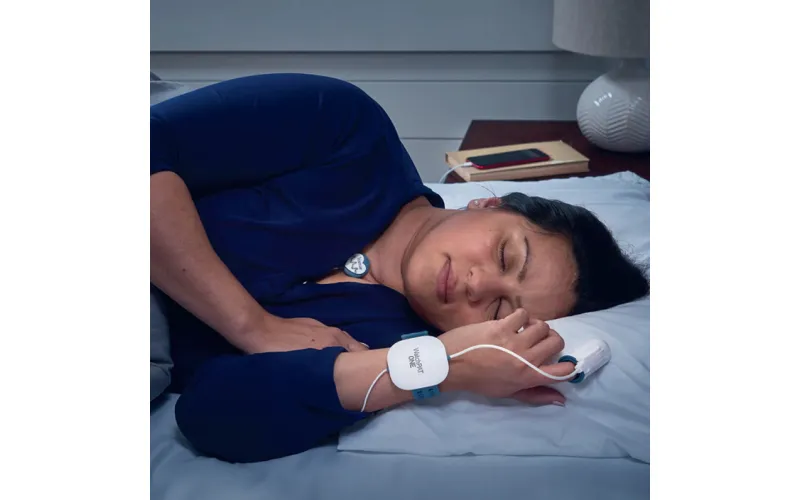
Sleep apnea is a serious condition where breathing stops repeatedly during sleep, leading to health issues like daytime fatigue and heart problems. Home sleep testing has become popular as it offers an easier way to diagnose obstructive sleep apnea (OSA) compared to traditional labs. The top devices for this include the WatchPAT, which is worn on the wrist and tracks various vital signs overnight; ApneaLink Air, a portable monitor with wireless capabilities; and SOMNOcheck PK, known for its compact design. Other options are NightOwl, which provides real-time feedback on breathing patterns, and ResMed S+, a non-contact tracker that uses an app for data analysis. Always consult with your doctor to choose the right device based on your unique needs.
Overview of Sleep Apnea
Sleep apnea test at home is a serious sleep disorder where breathing repeatedly stops and starts during sleep. This condition can lead to various health problems, such as high blood pressure, heart disease, and daytime fatigue. People with sleep apnea often snore loudly or feel excessively tired during the day, even after a full night’s sleep. There are different types of sleep apnea, with obstructive sleep apnea (OSA) being the most common, caused by a blockage of the throat. This disorder not only affects sleep quality but can also lead to significant health risks if left untreated.

Importance of Home Sleep Testing
Home sleep testing (HST) has become an essential tool for diagnosing sleep apnea, particularly obstructive sleep apnea (OSA). Unlike traditional lab-based sleep studies, which can be time-consuming and inconvenient, HST allows individuals to undergo testing in the comfort of their own homes. This convenience is crucial for many, as it removes barriers such as travel and time off work.
Moreover, HST devices are designed to be user-friendly, making them accessible even for those who may not be tech-savvy. By simply wearing a device overnight, patients can gather valuable data about their sleep patterns, including breathing interruptions and oxygen levels. This information can be pivotal in identifying sleep apnea and determining the severity of the condition.
The ability to diagnose sleep apnea at home can lead to quicker treatment and better management of the disorder. For example, someone experiencing excessive daytime sleepiness may find that their symptoms are linked to sleep apnea. With a home sleep test, they can receive a diagnosis more rapidly and begin treatment sooner, potentially avoiding complications such as cardiovascular issues and chronic fatigue.
Overall, home sleep testing represents a significant advancement in sleep medicine, making it easier for individuals to take control of their sleep health.
1. WatchPAT Device Overview
The WatchPAT is an innovative wrist-worn device designed for home sleep apnea testing. It works by measuring peripheral arterial tone, heart rate, and oxygen saturation, giving a comprehensive view of the user’s sleep patterns. One of the standout features of the WatchPAT is its ease of use. Users simply wear it overnight, and it automatically records vital data throughout the night. This device provides detailed insights into sleep quality and the frequency of apnea events, helping individuals and healthcare providers understand the severity of any sleep apnea issues. Its non-intrusive design makes it comfortable to wear, making it an ideal choice for those seeking a convenient home testing option.
2. ApneaLink Air Device Overview
The ApneaLink Air is a portable device designed for home sleep apnea testing. It monitors key parameters such as airflow, respiratory effort, and oxygen levels, making it a reliable option for diagnosing obstructive sleep apnea (OSA). One of its standout features is wireless connectivity, which allows easy data transfer to healthcare providers for analysis. The device is user-friendly, with a simple setup process that makes it accessible for individuals who may not be tech-savvy. Users can wear it comfortably overnight, and it provides detailed insights into their sleep patterns. This can help identify apneic events and other sleep disturbances, facilitating timely intervention and treatment.
3. SOMNOcheck PK Device Overview
The SOMNOcheck PK is a compact and user-friendly device designed for home sleep apnea testing. It records multiple crucial parameters, including airflow, oxygen saturation, and pulse rate, making it a comprehensive tool for diagnosing sleep apnea. One of the key benefits of the SOMNOcheck PK is its lightweight design, which enhances comfort during sleep. Users can easily wear it overnight without feeling burdened. The device generates detailed reports that healthcare providers can use to assess sleep quality and apnea events. This information is vital for developing effective treatment plans. For instance, if a patient experiences high levels of oxygen desaturation during sleep, the healthcare provider can recommend appropriate interventions. Overall, the SOMNOcheck PK combines ease of use with essential monitoring capabilities to help individuals manage their sleep health effectively.
4. NightOwl Device Overview
The NightOwl is a compact and user-friendly device designed for home sleep apnea testing. It works by monitoring breathing patterns throughout the night without requiring any invasive procedures. This small, non-invasive device can be comfortably worn, allowing users to sleep in their own environment, which can lead to more natural sleep results. One of the standout features of the NightOwl is its ability to provide real-time feedback and recommendations based on the user’s breathing data. This immediate information can help users understand their sleep patterns and make informed decisions regarding their sleep health. Additionally, the device connects seamlessly to a mobile app, enabling users to review their sleep data and share it with healthcare providers for further analysis. Overall, the NightOwl offers an effective and convenient solution for those looking to monitor their sleep apnea symptoms at home.
5. ResMed S+ Device Overview
The ResMed S+ is an innovative sleep tracking device designed to monitor your sleep patterns without any physical contact. This device uses advanced technology to analyze your sleep quality, offering insights into disturbances, duration, and overall sleep efficiency. It pairs with a mobile app, making it easy to access and review your sleep data from your smartphone. The app not only tracks your sleep but also provides personalized recommendations to improve your sleep habits. For example, if the device detects restlessness or frequent awakenings, it may suggest changes in your bedtime routine or sleep environment. This level of detail helps users understand their sleep better and empowers them to make informed decisions about their health. The ResMed S+ is lightweight and user-friendly, making it an excellent choice for those looking to manage their sleep apnea from the comfort of home.
Choosing the Right Device
When selecting a home sleep apnea testing device, it’s essential to consult with a healthcare provider. They can help identify the most suitable device based on your specific health needs and symptoms. Comfort is a key factor; you’ll want a device that you can wear easily overnight without discomfort. Additionally, consider how easy the device is to use and its setup process. Some devices may require more technical knowledge than others, which could be a barrier for some users. Evaluate the parameters each device monitors, such as airflow, oxygen levels, and heart rate, to ensure it meets your diagnostic needs. For example, if you have concerns about your oxygen saturation levels while sleeping, a device that specifically tracks this may be more appropriate for your situation. By carefully considering these factors, you can choose a device that not only fits your lifestyle but also provides accurate and useful data for your sleep health.
- Consider your specific sleep apnea symptoms
- Evaluate the comfort and usability of the device
- Check for data tracking capabilities and smartphone integration
- Review portability and battery life features
- Assess the cost and your insurance coverage options
- Read user reviews and consult with healthcare professionals
- Look for devices with FDA approval or clinical validation
Frequently Asked Questions
1. What is a sleep apnea test at home and how does it work?
A sleep apnea test at home checks if you have sleep apnea, a condition where breathing stops and starts during sleep. You wear a small device that tracks your breathing, heart rate, and oxygen levels while you sleep.
2. What types of devices can I use for a home sleep apnea test?
Common devices for home sleep apnea tests include portable monitors, wrist devices, and nasal cannulas. These devices measure your sleep patterns and any breathing issues.
3. How do I prepare for a home sleep apnea test?
Before your test, you should avoid caffeine or alcohol, make sure to follow your doctor’s instructions, and create a comfortable sleeping environment.
4. Is a home sleep apnea test as accurate as a lab test?
A home sleep apnea test can be accurate for diagnosing sleep apnea, but it might not detect all sleep disorders as thoroughly as a lab test, which offers more comprehensive monitoring.
5. What should I do with the results of my home sleep apnea test?
Once you get your test results, discuss them with your doctor. They can help you understand what the results mean and suggest treatment options if necessary.
TL;DR Sleep apnea is a serious disorder causing breathing interruptions during sleep, leading to health issues. Home sleep tests (HST) offer a convenient way to diagnose obstructive sleep apnea (OSA). Top devices include the WatchPAT, ApneaLink Air, SOMNOcheck PK, NightOwl, and ResMed S+, each with unique features to measure sleep quality and breathing patterns. Consult a healthcare provider to choose the right device based on individual needs. Early diagnosis can improve health outcomes and quality of life.

Blake Frank is a marketer and tech enthusiast based in Idaho. With over 9 years of experience in the digital marketing industry, he has gained a wide range of knowledge and skills such as SEO, web design, and digital analytics. Blake is passionate about providing insights into how technology and marketing intersect to create successful marketing strategies. In his free time, he enjoys mountain biking and exploring the great outdoors.