

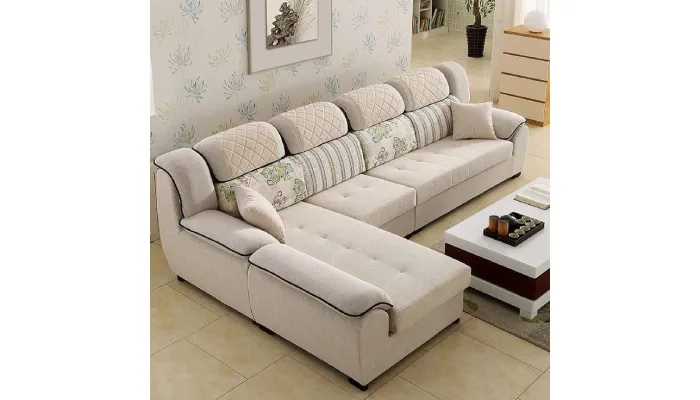
Sustainable furniture rental is becoming an popular choice for those looking to make eco-friendly decisions in 2025. This approach allows individuals to access quality furniture while supporting a circular economy. Options like bamboo and reclaimed wood offer durable materials that reduce waste, while cork furniture and vegan leather provide sustainable alternatives without sacrificing style. Renting instead of buying helps minimize landfill waste, conserves resources, and lowers overall carbon footprints. Plus, with a growing preference among younger consumers for flexible living spaces, the trend is likely to keep expanding. For smart renting, researching companies with solid sustainability practices can lead you to unique finds that enrich your home responsibly.
1. Understanding Sustainable Furniture Rental
sustainable furniture rental is the practice of leasing furniture that is made using eco-friendly methods and materials, playing a crucial role in fostering a circular economy. This model not only reduces waste but also encourages consumers to think critically about their purchasing habits. As environmental awareness grows, more people are turning to furniture rental options. In fact, statistics reveal that rental services are particularly popular among millennials and Gen Z, who prioritize sustainability and flexibility in their lifestyles.
The rise of the sharing economy has influenced the furniture rental company market significantly, shifting the focus from ownership to accessibility. Traditional furniture buying often leads to excess waste, while renting promotes reuse and refurbishment, extending the lifecycle of furniture. However, the sustainable furniture rental industry faces challenges, such as supply chain issues and the need for more widespread consumer education on eco-friendly practices.

2. Eco-Friendly Furniture Choices for Rent
Choosing eco-friendly furniture for rent can significantly enhance your living space while promoting sustainability. Bamboo furniture is a strong contender, prized for its rapid growth and moisture resistance, making it an excellent choice for various furniture types. Reclaimed wood adds an aesthetic appeal to homes, all while playing a crucial role in reducing deforestation by repurposing wood from old structures. When looking for wooden furniture, consider options that carry FSC certification, which ensures that the wood is sourced responsibly, aligning with environmental and social standards.
Cork furniture offers unique benefits too; it is lightweight, water-resistant, and harvested in a way that does not harm the trees. Upcycled furniture pieces bring creativity into your home, utilizing repurposed materials to conserve resources. Consider the finishes on your rented furniture as well; opting for non-toxic finishes can improve indoor air quality and promote a healthier living environment.
3. Advantages of Renting Furniture Sustainably
Renting furniture sustainably offers numerous advantages that benefit both consumers and the environment. One of the most significant benefits is waste reduction. By renting, people help lower landfill waste as furniture is reused and refurbished, extending its lifecycle. This practice conserves resources, reducing the demand for new materials and helping to minimize deforestation. Moreover, when furniture is sourced locally, transportation needs decrease, leading to a lower carbon footprint due to reduced fuel consumption.
Financially, renting can be more affordable than buying, especially for short-term needs. This flexibility allows consumers to change their home design without making a large financial commitment. Supporting local rental businesses also contributes positively to communities, with many companies donating refurbished items to those in transitional housing. In urban areas, choosing rental over ownership can significantly impact the environment, as it encourages sustainable living practices.
4. Current Consumer Trends in Furniture Rental
Recent surveys reveal that a significant 77% of consumers now prefer eco-friendly furniture crafted from recycled materials. This shift is particularly driven by younger generations, such as millennials and Gen Z, who prioritize sustainability in their purchasing decisions. They are moving away from traditional ownership models, favoring rental options that align with their values and lifestyles. Platforms like Feather and Brooklinen are catering to this demand, offering unique rental solutions that emphasize sustainability. The rise of subscription models in furniture rental is another trend, providing consumers with flexible options that suit their transient lifestyles.
Social media plays a crucial role in shaping consumer choices, as eco-conscious brands gain visibility through platforms like Instagram and TikTok. Brand transparency regarding sustainability practices is also becoming increasingly important. Consumers are more likely to choose rental services that openly share their eco-friendly initiatives. Peer recommendations further influence these choices, with friends and family encouraging each other to opt for sustainable options.
5. Smart Tips for Renting Furniture
When it comes to renting furniture, a little research goes a long way. Start by looking for rental companies that prioritize sustainable practices. Check if they offer eco-friendly materials like reclaimed wood or bamboo, which not only look great but also help reduce environmental impact. Consider second-hand furniture rentals, as they provide unique pieces and often come with cost savings. Multi-functional furniture is another smart choice; it maximizes space efficiency and helps keep your home clutter-free. Make sure to read the rental agreements carefully, paying attention to terms related to sustainability. This understanding will help ensure you’re making an eco-friendly choice. Maintaining rented furniture properly is crucial too; simple care can extend its lifespan and minimize waste. Evaluate rental companies based on their carbon footprint and environmental policies, and don’t shy away from reading customer reviews to get a sense of their service quality and sustainability efforts. If you’re looking for a better deal, don’t hesitate to negotiate rental terms or ask about eco-friendly options.
6. Future of Sustainable Furniture Rental
The sustainable furniture rental market is predicted to grow significantly over the next five years, driven by increased consumer awareness and demand for eco-friendly options. As governments around the world tighten regulations on waste and emissions, this sector may see a surge in compliance-driven innovation, pushing rental companies to adopt greener practices more quickly. Technological advancements will also play a crucial role; the integration of AI could streamline operations, optimize inventory management, and personalize customer experiences, while virtual reality may allow consumers to visualize rented furniture in their spaces before making a decision.
Consumer advocacy will continue to be a powerful force, urging companies to prioritize sustainability and transparency in their offerings. As trends in sustainable design evolve, we may see an increase in furniture collections that not only meet aesthetic desires but also adhere to eco-friendly standards. International collaborations can further enhance these practices, allowing for shared knowledge and resources that promote sustainability on a global scale.
Frequently Asked Questions
1. What are the benefits of renting furniture instead of buying it?
Renting furniture allows you to try different styles without a long-term commitment, helps reduce waste by promoting the use of existing items, and can be more flexible if you move often.
2. How do I know if a furniture rental company is eco-friendly?
Look for companies that prioritize sustainability, use recycled or renewable materials, offer carbon-neutral delivery, and have transparent practices about their sourcing and disposal methods.
3. What types of furniture can I typically rent?
You can usually rent a wide variety of furniture, including couches, dining tables, beds, office furniture, and even decorative items like art and lamps.
4. How does furniture rental contribute to sustainability?
Furniture rental contributes to sustainability by reducing the demand for new production, encouraging reuse of existing pieces, and minimizing landfill waste through rental returns.
5. Can I customize my rental furniture to match my style?
Many rental companies offer options to customize or choose from various styles and colors, allowing you to create a look that fits your personal taste.
TL;DR Sustainable furniture rental is becoming popular as consumers seek eco-friendly options. Renting reduces waste, conserves resources, and offers flexibility. Key materials include bamboo, reclaimed wood, and upcycled pieces. Trends show a strong preference for rentals among younger demographics. To rent smartly, research companies, consider second-hand options, and choose multi-functional furniture. The future of this market looks promising as sustainability becomes more integral to consumer choices.

Blake Frank is a marketer and tech enthusiast based in Idaho. With over 9 years of experience in the digital marketing industry, he has gained a wide range of knowledge and skills such as SEO, web design, and digital analytics. Blake is passionate about providing insights into how technology and marketing intersect to create successful marketing strategies. In his free time, he enjoys mountain biking and exploring the great outdoors.