

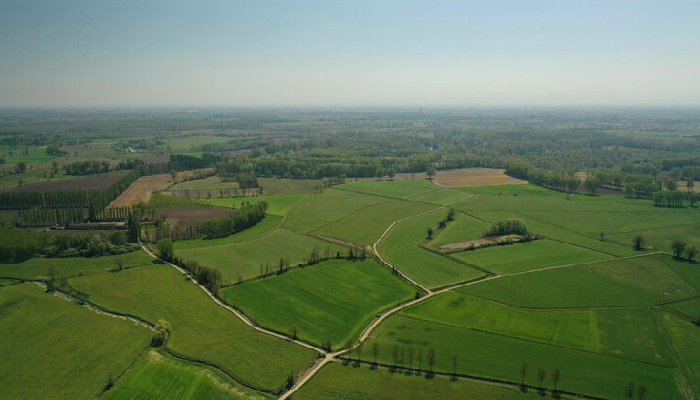
Selling land can be a rewarding financial move, but it’s not as straightforward as selling a house. Land transactions involve unique challenges and opportunities. Whether you’ve inherited a parcel, invested in acreage, or simply want to cash out, understanding your options when you decide to sell your land is essential. This guide will walk you through the most relevant methods, considerations, and tips to make the process smoother and more profitable.
Evaluate the Property and Gather Documentation
When preparing to sell your land, start by collecting all relevant documents. These include the deed, title, tax records, zoning regulations, and any surveys or environmental reports. The more information you have ready, the smoother the process. Buyers often want assurance about boundaries, access roads, water rights, and land use possibilities. A lack of documentation can deter potential buyers or reduce the final offer. So, before listing or marketing, get your paperwork in order to make it easier to sell your land efficiently.
Pricing It Right: The Foundation of a Successful Sale
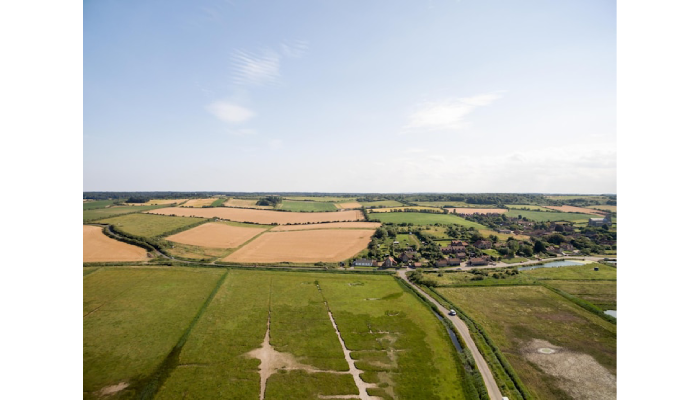
Pricing is one of the most important aspects when you want to sell your land. Unlike homes with easily comparable market values, land pricing can vary dramatically based on location, access, utility availability, and zoning. Research comparable land sales in your area, but remember that land can sit on the market for months or even years if overpriced. Consider getting a professional appraisal to help determine a realistic market value. Accurately pricing is not only crucial to attract attention but also to position your property competitively when you sell your land.
Traditional Sale Through a Real Estate Agent
One of the most common ways to sell your land is through a real estate agent, especially one who specializes in land sales. These professionals understand zoning laws, local market trends, and how to target the right buyers, whether they’re developers, investors, or individuals looking to build. Agents also assist with negotiations and contracts, saving you time and minimizing risk. While this method involves paying a commission, the broader exposure and expertise can often result in a quicker, higher-value transaction when you’re ready to sell your land.
Auctioning Your Land
Auctions offer another route to sell your land, particularly if you’re seeking a quick sale. In a well-publicized auction, competitive bidding can help drive up the price—especially if the land is in a desirable area. However, auctions come with risks; the final sale price isn’t guaranteed and often depends on buyer turnout and market interest. This strategy works best when you’re confident in the land’s value or want to sell your land quickly without prolonged negotiation.
Selling to a Developer or Investor
If your land is located in a growing area or near commercial development, consider reaching out directly to developers or investors. These buyers often look for parcels they can develop into housing, commercial buildings, or industrial facilities. When you want to sell your land in this context, highlight development potential, available utilities, and access to transportation or markets. Working with these buyers can speed up the process, but be prepared for due diligence requirements and possibly negotiating terms that benefit long-term investment goals.
Selling to Neighbors or Nearby Property Owners
Another often-overlooked option to sell your land is approaching neighboring property owners. Someone who owns land adjacent to yours might want to expand their holdings for privacy, farming, or business reasons. These deals can sometimes close faster since the buyer is already familiar with the area and may have fewer questions. Additionally, the relationship may be more cooperative, reducing complications in the negotiation process when you’re trying to sell your land.
Lease-to-Own Agreements
If you’re having trouble finding a buyer willing to purchase the land outright, consider offering a lease-to-own agreement. This method allows a buyer to lease the land with the option to purchase after a certain period. It’s a flexible way to sell your land while still generating income. These agreements appeal to individuals who may need time to arrange financing but are committed to buying. While not as immediate as a sale, this strategy gives you revenue and a potential buyer down the line.
Offering Seller Financing
Seller financing can make it easier for some buyers to commit and can often result in a quicker sale. By offering to finance the purchase, you eliminate the need for the buyer to secure traditional loans, which can be difficult for raw land. You’ll receive payments over time and earn interest, making this a beneficial strategy when you sell your land. However, it does come with the risk that the buyer could default, so it’s essential to create legally binding terms and consult a real estate attorney.
Preparing Your Land for Sale
First impressions matter—even with vacant land. Clearing brush, installing signage, and marking boundaries can help buyers visualize the property’s potential. Clean, well-maintained land sells faster and often commands a better price. Taking high-quality photos and even aerial drone footage can give online listings a competitive edge. Remember, you’re not just trying to sell your land—you’re selling the vision of what it could become.
Marketing Strategies to Attract Buyers
To sell your land effectively, you must market it to the right audience. Online platforms dedicated to land sales, local real estate websites, social media, and even classified ads can be useful. Use clear, descriptive listings with high-quality images, maps, and key details like size, zoning, utilities, and access roads. Understanding your target buyer—be it a hunter, builder, investor, or farmer—helps tailor your messaging to their needs, making it easier to sell your land successfully.
Legal Considerations and Closing the Deal
Once you’ve accepted an offer, you’ll enter the closing phase. Make sure you have a clear title and resolve any boundary disputes or liens beforehand. Work with a real estate attorney or title company to draft and review the purchase agreement. Handling this correctly ensures a smooth, lawful transfer when you sell your land and protects both you and the buyer from future legal issues. Being transparent and organized during this phase builds trust and finalizes the sale with confidence.
Resource URL:
https://en.wikipedia.org/wiki/Rural_land_sales
https://simplelandselling.com/

Blake Frank is a marketer and tech enthusiast based in Idaho. With over 9 years of experience in the digital marketing industry, he has gained a wide range of knowledge and skills such as SEO, web design, and digital analytics. Blake is passionate about providing insights into how technology and marketing intersect to create successful marketing strategies. In his free time, he enjoys mountain biking and exploring the great outdoors.