

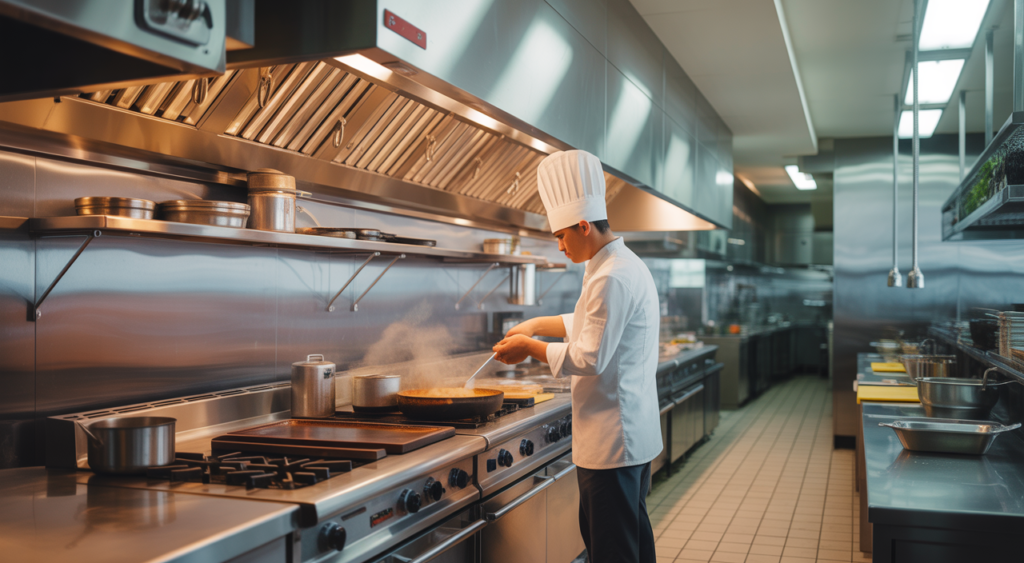
Running a busy restaurant in Los Angeles is exciting, but the heat of the kitchen also brings real fire risks. Strong fire protection is not just about passing inspections. It is about keeping your team, guests, and investment safe every single day. That is where expert restaurant fire safety services Los Angeles become essential, especially if you want reliable support and quick compliance with local rules.
For Indian investors and owners entering the LA food market, this topic can feel technical at first. The good news is that once you understand the main codes, services, and schedules, fire safety becomes a simple, repeatable system. With the right partner handling inspections, cleaning, and staff training, you stay compliant and focus fully on food, guests, and growth.
This guide walks through the key parts of restaurant fire protection in Los Angeles, how they fit together, and what to look for in a trusted local provider.
1. LA Fire Code & NFPA Standards in Simple Terms
Los Angeles restaurants must follow a mix of local fire codes and national standards called NFPA (National Fire Protection Association) codes. These rules may sound complex, but they boil down to a clear goal: control grease, heat, and flames so fires never spread.
Some key standards include:
- NFPA 96 – Rules for kitchen exhaust systems like hoods and ducts. It focuses on keeping grease build-up under control.
- NFPA 17 / 17A – Standards for wet and dry chemical suppression systems used in commercial kitchens.
- UL-300 – A test standard that ensures suppression systems can handle modern, high-efficiency cooking equipment and heavy grease loads.
In most parts of LA County, fire officials require:
- Regular hood and duct cleaning on a fixed schedule based on how heavily you cook.
- Annual inspections of fire suppression systems and portable fire extinguishers.
- Up-to-date tags and documentation you can show during a fire inspection.
If you are planning a new restaurant project or acquiring a running one, reviewing these requirements early in your investment plan is as important as studying marketing budgets or rent. For comparison, many owners study topics like different types of marketing budgets; fire safety deserves the same strategic focus.
2. Core Fire Safety Services Every LA Restaurant Needs
Top restaurant fire safety services Los Angeles usually bundle several solutions into one program. Combining them gives you better pricing and a smoother compliance journey.
Kitchen Hood & Exhaust Cleaning
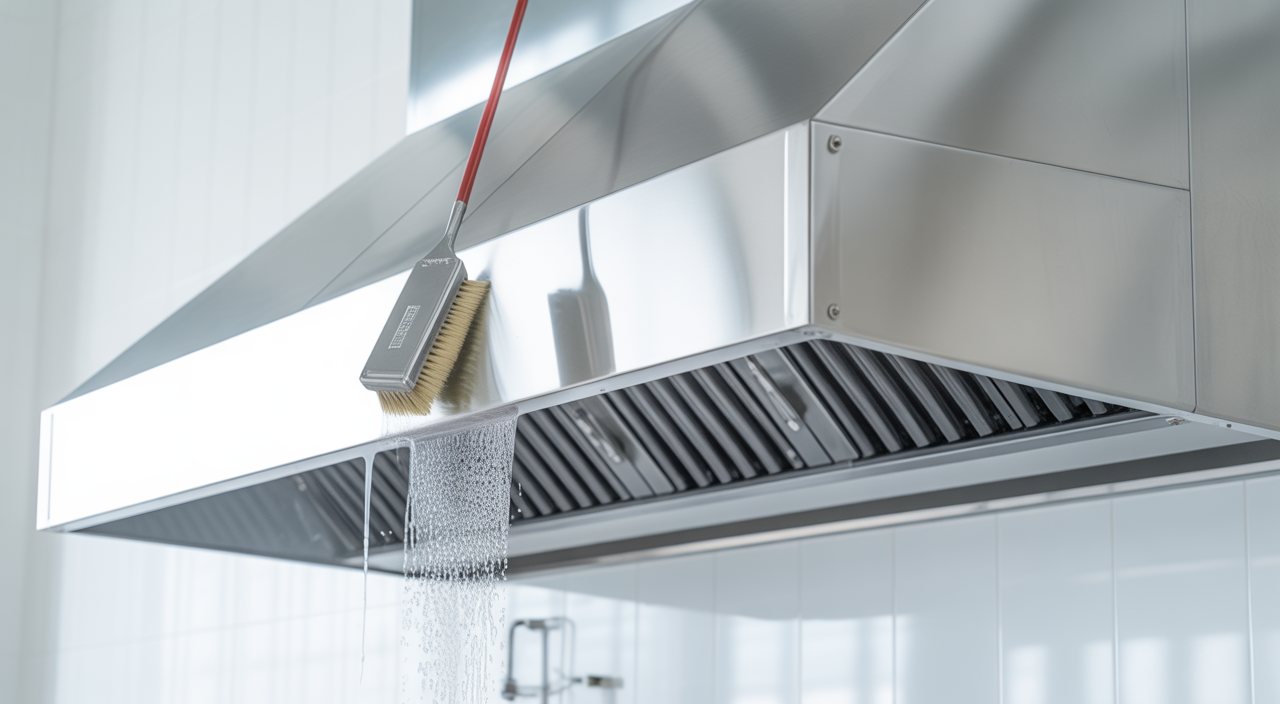
Grease build-up inside your hood, filters, ducts, and exhaust fan is one of the biggest fire risks in a commercial kitchen. When flames or high heat reach a greasy surface, fire can spread rapidly through the ductwork.
Professional hood cleaning services:
- Scrape and wash hoods, ducts, and fans to bare metal where needed.
- Use certified methods that meet NFPA 96 and local LA requirements.
- Provide before-and-after photos and a cleaning certificate for your records.
Cleaning frequency depends on your cooking volume. For example, a high-turnover Indian kitchen with tandoors and deep frying may need monthly or quarterly service, while a light snack outlet might manage with semi-annual cleaning.
Fire Suppression Systems
Above your stoves, fryers, and tandoors, you likely have a built-in fire suppression system. This system detects high heat or flames and automatically releases a special chemical agent to smother the fire and cool the oil.
Key points to know:
- UL-300 compliant systems are a must for modern commercial kitchens in LA.
- Wet chemical systems are common for cooking with oils and fats, as they create a foam-like layer on hot oil.
- Annual inspections and periodic nozzle checks are required, and any layout changes in your cooking line may need system re-design.
Good providers will test pull stations, check detection lines, verify coverage for each appliance, and update your paperwork for inspections and insurers.
Portable Fire Extinguisher Inspections
Portable extinguishers are your first response tool before a fire spreads. LA rules and NFPA 10 define which types you need and where they should be placed.
In a typical restaurant, you may see:
- Class K extinguishers for cooking oils and greases in the kitchen.
- ABC extinguishers for common combustibles, electrical panels, and seating areas.
These units need annual inspections and monthly visual checks. Your fire safety partner tags and logs each extinguisher so you always pass audits.
3. Staff Training & Emergency Drills
Even the best equipment works better when your team knows what to do. Staff fire safety training transforms your employees into a calm, skilled response team.
Effective training often includes:
- How to identify early signs of fire and when to act.
- Hands-on practice with extinguishers using safe demo units.
- Clear evacuation routes, assembly points, and role assignments.
For multi-unit restaurant investors, setting a standard training module across locations can be as powerful as standardizing your menu. Some business owners treat it much like they treat operational consulting; if you like process-focused content, you may enjoy reading about business efficiency consulting services and apply the same thinking to fire safety.
4. Cost & Return on Investment for Fire Safety
Fire safety is a cost, but it is also strong protection for your capital. For Indian investors entering Los Angeles, it helps to view this as an asset, not just an expense.
Typical cost areas include:
- Installation or upgrade of hood and suppression systems.
- Scheduled hood cleaning services.
- Annual inspections and minor repairs for suppression and extinguishers.
The returns show up in several ways:
- Lower risk of shutdowns and lost revenue.
- Better position when negotiating with insurers.
- Fewer surprise repair bills after failed inspections.
Most owners find that regular, planned services are far cheaper than emergency fixes or penalties, especially when you manage several properties.
5. How to Choose the Right Fire-Safety Partner in LA
Not every provider offers the same level of service. When comparing restaurant fire safety services Los Angeles, use a simple checklist.
Ask these questions:
- Are they fully licensed and experienced with LA County and city codes?
- Do they handle all services in-house, including hood cleaning, suppression, and extinguishers?
- Can they provide clear reports, photos, and tags that inspectors and insurers accept?
- Do they offer 24/7 support or quick response for urgent issues?
- Can they help with staff training and ongoing safety planning?
A strong partner acts like an extension of your operations team, keeping you informed but not overwhelmed by technical details.
6. Quick Case Example: From Risk to Ready
Consider a busy Indian restaurant opening its first branch in Los Angeles. The investors were used to local regulations in their home market but found LA codes more detailed, especially around grease and chemical suppression.
After a full inspection, their fire-safety provider redesigned the suppression coverage to match the cooking line, set a quarterly hood cleaning schedule for their high-volume frying, and trained the staff on evacuation steps and extinguisher use. Within a short time, they passed their fire inspection smoothly and were able to focus on scaling up catering and delivery services.
This kind of structured approach is what you should seek as you grow your portfolio in the city.
7. FAQs on Restaurant Fire Safety in Los Angeles
Q1: How often should my kitchen hood be cleaned in Los Angeles?
It depends on your cooking volume and type of food. High-volume operations using deep frying or tandoors may need monthly or quarterly cleaning. Light-duty cooking may qualify for semi-annual or annual cleaning, but your fire-safety provider and local inspector can confirm the exact schedule.
Q2: Can my own staff handle fire suppression system maintenance?
Your team can do basic visual checks, such as confirming nozzles are not blocked and manual pull stations are accessible. However, full testing, recharging, and certification of suppression systems must be done by licensed professionals who understand NFPA and LA code requirements.
Q3: Do I really need separate Class K extinguishers if I already have a hood suppression system?
Yes. Class K extinguishers are required as a backup for cooking oil and grease fires. They work together with your hood suppression system, giving staff a second line of defense if a small flare-up occurs or if extra cooling is needed after a discharge.

Blake Frank is a marketer and tech enthusiast based in Idaho. With over 9 years of experience in the digital marketing industry, he has gained a wide range of knowledge and skills such as SEO, web design, and digital analytics. Blake is passionate about providing insights into how technology and marketing intersect to create successful marketing strategies. In his free time, he enjoys mountain biking and exploring the great outdoors.