
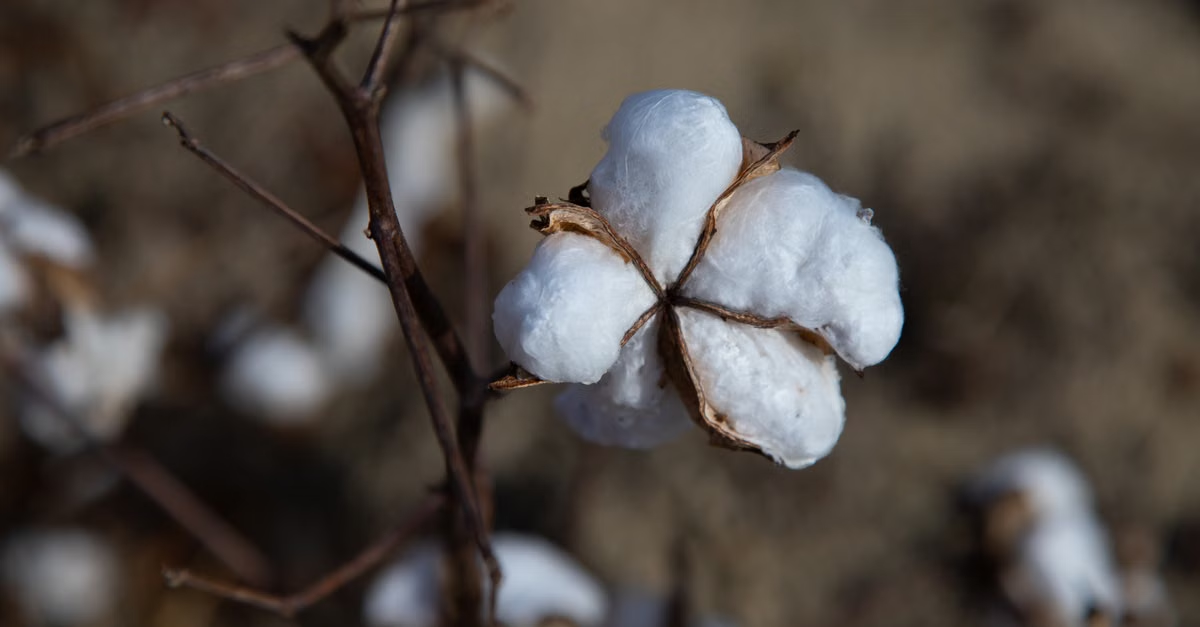
Most people do not think carefully about the cotton in their towels. Cotton is cotton, the assumption goes — a natural fibre that is fundamentally the same regardless of how it was grown. But the differences between organic and conventional cotton are significant, and they matter both for the health of the people who use these textiles and for the health of the planet on which they are produced.
How Conventional Cotton Is Grown
Conventional cotton production is one of the most chemically intensive forms of agriculture in the world. Global cotton cultivation uses enormous quantities of synthetic pesticides, herbicides, and insecticides, along with synthetic fertilisers that degrade soil health over time. Many of these agrochemicals are classified as hazardous substances, and their use has documented impacts on the health of farm workers, local water systems, and surrounding ecosystems.
During textile manufacturing, conventional cotton fibres undergo multiple chemical treatments — including bleaching, dyeing, and finishing processes — that may leave residual chemicals in the finished fabric. While the concentrations in consumer products are generally considered safe, individuals with sensitive skin, eczema, or chemical sensitivities can experience reactions to these residual substances.
How Organic Cotton Is Different
Organic cotton farming prohibits synthetic pesticides, herbicides, and genetically modified organisms. Instead, it relies on natural farming practices — crop rotation, biological pest control, and composting — to maintain soil health and manage pests. Water usage, while still substantial, is typically lower in organic systems that build healthier soils with greater moisture retention capacity.
Certification bodies such as GOTS (Global Organic Textile Standard) verify not just the farming practices but also the processing chain — ensuring that chemical treatments during manufacturing meet strict safety standards. GOTS-certified textiles are tested for harmful substances and must meet criteria for both ecological and social standards throughout production.
Skin Contact and Sensitive Skin
Your towel makes contact with your skin every day, often after bathing when the skin is at its most permeable. For individuals with sensitive skin, eczema, contact dermatitis, or young children whose skin barriers are still developing, the chemical composition of the textile matters. Organic cotton towels that carry GOTS or OEKO-TEX STANDARD 100 certification have been tested and verified to be free from a defined list of harmful substances, providing a meaningful assurance of safety.
Many parents choosing towels for infants and toddlers specifically seek out organic cotton certification for this reason — understanding that "natural" fibres still carry a manufacturing history that can include substances better kept away from vulnerable skin.
Long-Term Value and Environmental Footprint
Organic cotton towels tend to be priced higher than conventional equivalents at the point of purchase, which leads some buyers to dismiss them on cost grounds. But considered over a longer time horizon, quality organic cotton towels often represent better value. Premium organic cotton — particularly long-staple varieties such as Egyptian or Pima — produces more durable fabrics that maintain their integrity through hundreds of wash cycles, while cheap conventional towels can degrade significantly within a year of regular use.
The environmental calculation is similarly compelling. Choosing certified organic textiles supports farming systems that preserve soil health, reduce chemical runoff, and maintain biodiversity — contributing to a more sustainable agricultural landscape over time.
Conclusion
The distinction between organic and conventional cotton is not marketing noise — it reflects real differences in farming practices, manufacturing standards, and the chemical safety of the finished product. For consumers who value their health, their family's safety, and the wellbeing of the environment, making the switch to certified organic cotton towels is a straightforward and meaningful choice.