
Melasma can be a frustrating skin condition, characterized by dark patches usually appearing on the face. If you find yourself battling these stubborn spots, you're not alone. Many people seek effective treatments to reclaim their natural glow. One promising option gaining popularity is melasma laser treatment. This advanced procedure offers hope for clearer skin and boosts self-confidence.But what exactly does this treatment entail? Understanding the process—from preparation to recovery—can make all the difference in your experience and results. Dive into this comprehensive guide as we explore everything you need to know about melasma laser treatment, ensuring you feel informed and empowered every step of the way!
Melasma And Its Causes
Melasma laser treatment is a common skin condition that manifests as brown or gray-brown patches, primarily on the face. It often appears on the cheeks, forehead, nose, and chin.The exact cause of melasma remains elusive. However, hormonal changes play a significant role. Many women experience this during pregnancy or while taking hormonal contraceptives. Sun exposure is another major factor. Ultraviolet (UV) rays can trigger excess melanin production in susceptible individuals.Genetics also contribute to its development. If family members have experienced melasma, you may be at higher risk too.Certain skincare products and medications can exacerbate the condition as well. For those with sensitive skin or particular sensitivities, it's essential to choose products carefully to avoid irritation.
Traditional Treatments For Melasma
Traditional treatments for melasma often focus on topical agents and lifestyle changes. Hydroquinone is a common cream used to lighten dark patches. It works by inhibiting melanin production, but should only be used under professional guidance.Other options include retinoids, which promote cell turnover and help fade pigmentation over time. These can enhance the effectiveness of hydroquinone when combined.Chemical peels are another avenue for treatment. They use acids to exfoliate the skin's surface, revealing fresher layers underneath and reducing discoloration.Sun protection is crucial in any melasma management plan. Broad-spectrum sunscreens prevent further darkening from UV exposure.While these methods can yield results, they may require consistent application over weeks or months. Some individuals find that traditional treatments don’t fully address their concerns, leading them to seek more advanced solutions like laser therapy for better outcomes.
Introduction To Melasma Laser Treatment
Melasma laser treatment is gaining popularity as an effective solution for managing stubborn skin discoloration. This condition, characterized by brown or gray patches, often appears on the face and can be frustrating to treat.Laser therapy targets melanin in the skin without damaging surrounding tissues. It works by breaking down pigment particles, allowing your body to naturally eliminate them over time. Many individuals seek this option when traditional treatments fall short or cause irritation. The precision of lasers makes it a suitable choice for various skin types.Before committing to this method, it's essential to understand what it entails and how it can fit into your skincare routine. Knowledge empowers you to make informed decisions about your skin health journey with confidence.
Before The Procedure: Preparing For Melasma Laser Treatment
Before undergoing melasma laser treatment, preparation is key to achieving the best results. Start by scheduling a consultation with your dermatologist. This initial visit helps determine if you're a suitable candidate and which laser type will work best for your skin.In the weeks leading up to the procedure, it’s essential to avoid sun exposure as much as possible. Sunlight can exacerbate melasma symptoms, making treatment less effective. Wearing broad-spectrum sunscreen daily is crucial.Your doctor may recommend stopping certain medications or skincare products that could irritate your skin before the procedure. Products containing retinoids or alpha hydroxy acids should be avoided for at least two weeks prior.Stay hydrated and maintain a healthy diet in this period too. Proper nutrition supports skin health and aids recovery after treatment. Being well-prepared ensures you’re in the best shape for successful melasma laser therapy.
During The Procedure: What To Expect On The Day Of Treatment?
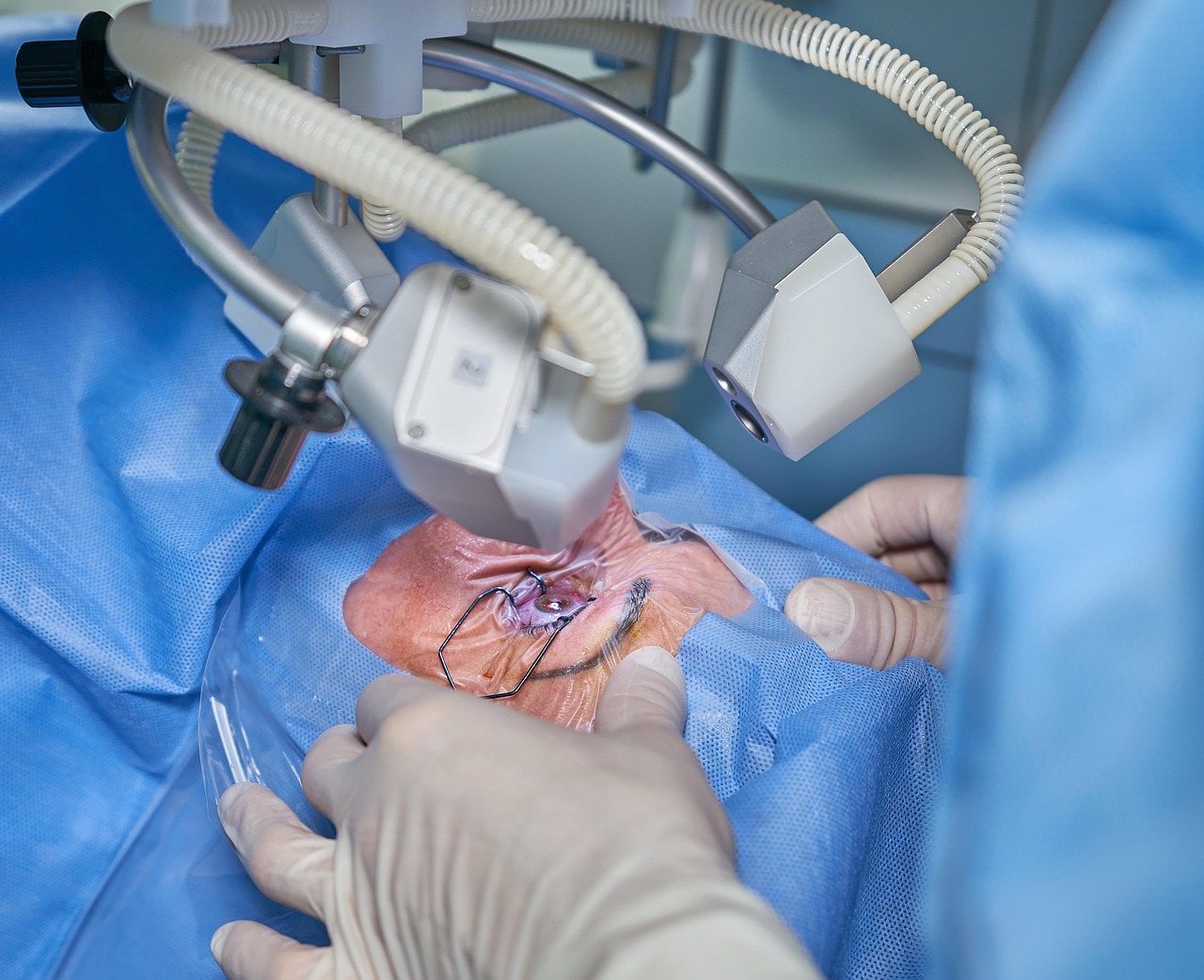
On the day of your melasma laser treatment, you’ll arrive at the clinic feeling a mix of excitement and nervousness. After checking in, you'll meet with your dermatologist to discuss any last-minute concerns.Once you're ready, a topical anesthetic will be applied to minimize discomfort. This usually takes about 30 minutes to take effect. You might feel a slight tingling sensation as the numbing cream works its magic.When it’s time for the laser procedure, protective eyewear will be provided. The doctor will use a handheld device that emits targeted light energy on your skin. Expect some warmth or mild snapping sensations during this phase; most patients describe it as tolerable.The entire process typically lasts between 20 to 60 minutes depending on the size of the area being treated. Afterward, you may notice immediate redness or swelling around the treated spots—this is completely normal and part of healing.
After The Procedure: Recovery And Post-Treatment Care
After your melasma laser treatment, it’s essential to prioritize recovery. Initially, you may notice some redness or slight swelling in the treated area. This is normal and should subside within a few days.Keeping the skin moisturized will help with healing. Use a gentle, fragrance-free moisturizer recommended by your dermatologist. This can soothe irritation and promote skin recovery.Sun protection becomes crucial during this time. Apply a broad-spectrum sunscreen with at least SPF 30 daily to shield your skin from harmful UV rays that could worsen pigmentation.Avoid strenuous exercise for about a week post-treatment to minimize sweating and irritation. It’s also wise to steer clear of harsh skincare products—no exfoliants or retinoids—for at least two weeks as your skin heals.Monitoring any unusual reactions after treatment is key too. If you experience excessive pain or prolonged discoloration, reach out to your healthcare provider promptly for advice.
Potential Risks And Side Effects Of Melasma Laser Treatment
Like any cosmetic procedure, Melasma Laser Treatment carries potential risks and side effects. It’s essential to be informed before proceeding.Some patients may experience temporary redness or swelling in the treated area. This is usually mild and subsides within a few hours to days. There’s also the chance of hyperpigmentation or hypopigmentation, particularly for individuals with darker skin tones. These changes in skin color can take time to resolve.In rare cases, blistering or scarring might occur. Proper aftercare plays a critical role in minimizing these risks.It’s vital to consult with a qualified practitioner who understands your skin type and medical history. They can help you navigate potential concerns effectively and ensure your treatment plan is tailored just for you.
Long-Term Results And Maintenance Tips
Long-term results from melasma laser treatment can be impressive. Many patients experience a significant reduction in pigmentation, leading to clearer and more even-toned skin.However, maintaining these results requires ongoing care. A daily skincare routine is essential. Incorporate broad-spectrum sunscreen with SPF 30 or higher, as UV exposure can trigger melasma recurrence.Consider using products that contain ingredients like vitamin C and niacinamide. These help brighten the skin and reduce pigmentation over time.Regular check-ins with your dermatologist are also recommended. They can provide guidance tailored to your skin type and monitor any changes.Additionally, lifestyle choices play a crucial role in maintenance. Stay hydrated and eat a balanced diet rich in antioxidants to support healthy skin from within. Stress management techniques like yoga or meditation may also benefit your overall complexion by promoting hormonal balance.
Conclusion
Melasma Laser Treatment offers an effective solution for those struggling with this common skin condition. Understanding the causes of melasma is essential, as it can stem from hormonal changes, sun exposure, and genetics. Traditional treatments may have provided limited results, leading many to explore laser therapy options.Preparation for the procedure plays a crucial role in its success. Ensuring your skin is healthy and free from irritants will enhance outcomes. On treatment day, patients can expect a straightforward process with minimal discomfort thanks to advancements in technology.
Resource Url: