
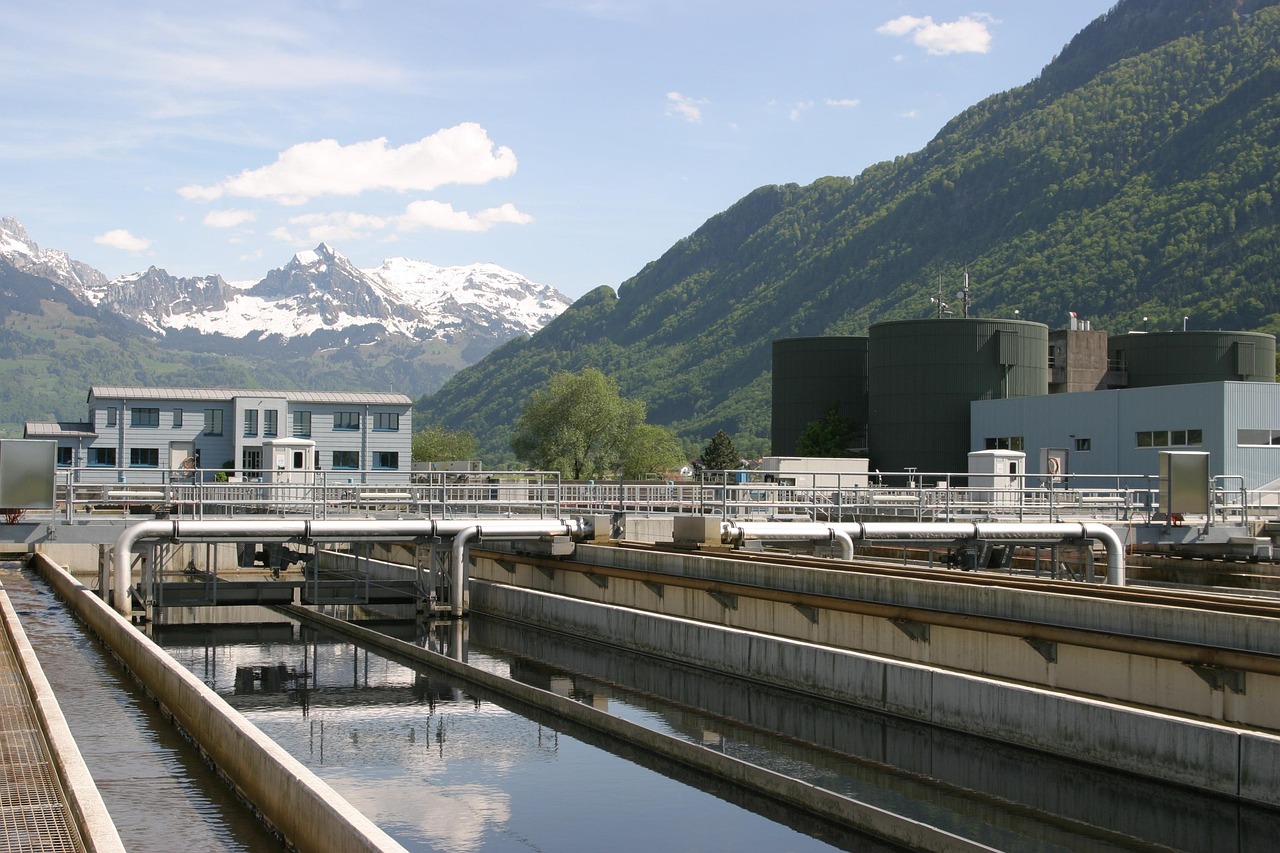
Dredged wastewater materials consist of sediment and pollutants removed from waterways, making effective management vital for minimizing environmental harm and adhering to regulations. Understanding environmental laws, like the Clean Water Act, is essential. Best practices include thoroughly characterizing dredged materials to identify contaminant levels and utilizing various treatment options—physical, chemical, or biological—to address pollution. Suitable disposal methods range from landfilling non-hazardous waste to beneficial reuse in construction or landscaping. Monitoring programs help ensure compliance and transparency with regulatory bodies while engaging local communities fosters trust in the decision-making process. Innovation and case studies guide ongoing improvements for sustainable dredging operations.
Understanding Dredged Wastewater Materials
Dredged wastewater materials consist of sediments and pollutants removed from bodies of water, such as rivers, lakes, and harbors. These materials can contain a mixture of natural sediments and contaminants, which may include heavy metals, chemicals, and organic matter. Understanding the composition of these materials is vital for effective management. For instance, assessing the levels of pollutants helps in classifying the waste appropriately, determining whether it is hazardous or non-hazardous. This classification dictates the subsequent treatment and disposal methods. Furthermore, knowledge of the sediment's physical characteristics, such as grain size and moisture content, plays a crucial role in deciding the best management practices. By thoroughly characterizing dredged materials, stakeholders can better mitigate environmental risks and ensure compliance with regulations.
Navigating Environmental Regulations
Navigating the complex landscape of environmental regulations is crucial for effective management of dredged wastewater materials. Key legislation, such as the Clean Water Act, sets the stage for compliance, emphasizing the need to protect water quality. Organizations must understand and adhere to guidelines from agencies like the Environmental Protection Agency (EPA) and the Army Corps of Engineers, which dictate standards for dredging operations and disposal practices. For instance, the EPA’s National Pollutant Discharge Elimination System (NPDES) permits are essential for controlling discharges from dredging activities. Additionally, local regulations may impose further restrictions, necessitating a thorough review of regional policies before initiating projects. These regulations often require comprehensive assessments of the potential environmental impacts, ensuring that stakeholders prioritize sustainability and public safety throughout the dredging process. By actively engaging with these regulations, organizations can mitigate risks, avoid penalties, and foster trust with the communities affected by dredging activities.
Characterizing Dredged Materials Effectively
Characterizing dredged materials is a critical step in managing dredged wastewater effectively. This process involves comprehensive testing to assess the physical and chemical properties of the sediments, which helps in determining the appropriate handling methods. For instance, sediment samples should be analyzed for grain size, moisture content, and density, along with a detailed evaluation of contaminant levels, such as heavy metals, hydrocarbons, and nutrients.
Accurate characterization allows for the classification of dredged materials into categories such as hazardous and non-hazardous waste. This classification is essential for compliance with regulations and for deciding on the suitable treatment and disposal options. For example, materials identified as hazardous may require specialized handling and treatment processes, while non-hazardous materials can often be treated for beneficial reuse.
Moreover, engaging in proactive characterization not only aligns with regulatory requirements but also fosters transparency with stakeholders. By sharing characterization results with local communities and regulatory bodies, project managers can build trust and demonstrate their commitment to environmental stewardship. Utilizing advanced analytical techniques, such as spectroscopy and chromatography, can further enhance the accuracy and efficiency of the characterization process, paving the way for more effective management strategies.
- Physical characteristics (e.g., grain size, shape)
- Chemical composition and toxicity
- Biological content and diversity
- Moisture content and consistency
- Contaminants and their concentrations
- Geotechnical properties (e.g., density, permeability)
- Regulations and guidelines for characterization
Exploring Treatment Options for Dredged Waste
Treatment options for dredged waste are vital in managing the contaminants found in dredged materials. Physical treatment methods, such as dewatering, involve removing water from dredged sediments to reduce volume and facilitate easier handling. Sediment stabilization is another physical technique where additives are used to enhance the structural integrity of the sediment, making it safer for disposal or reuse. Chemical treatment, on the other hand, employs agents that bind or neutralize contaminants, ensuring they do not leach into the environment. For instance, using lime can help in treating heavy metals by precipitating them into a more stable form. Biological treatment utilizes microorganisms to break down organic pollutants in dredged materials, promoting a greener approach to waste management. An example of this is bioremediation, where specific bacteria are introduced to degrade toxic substances into less harmful products. Each of these treatment methods necessitates careful selection based on the contaminant profile of the dredged materials and the intended end use, whether it be safe disposal or beneficial reuse.
Disposal Methods for Dredged Materials
Disposal methods for dredged materials are critical in ensuring environmental safety and compliance with regulations. One common method is landfilling, which is suitable for non-hazardous dredged materials that have undergone proper treatment. This process often involves dewatering to reduce the volume of waste, making it more manageable for disposal. Another method is beneficial reuse, where treated dredged materials are repurposed for construction projects, landscaping, or habitat restoration. For example, dredged sediments can be used to create wetlands or enhance existing habitats, providing ecological benefits while reducing disposal costs. Controlled aquatic disposal is also an option, allowing for the safe placement of dredged materials back into water bodies under specific conditions to minimize environmental impact. Each disposal method requires careful consideration of the material’s characteristics and potential effects on the surrounding ecosystem.
Implementing Monitoring and Reporting Systems
Effective monitoring and reporting systems are essential for managing dredged wastewater materials. Regular monitoring helps to assess the effectiveness of treatment and disposal methods, ensuring that they meet regulatory standards and minimize environmental impacts. For instance, water quality testing before and after disposal can reveal whether contaminants are being adequately removed. Furthermore, employing real-time monitoring technologies allows for immediate detection of any issues during the dredging process. This can include the use of sensors to measure sediment levels or pollutant concentrations in water.
Reporting these findings to regulatory bodies is equally important. This transparency not only demonstrates compliance with environmental regulations but also builds trust with the community and stakeholders. Reports should include detailed information on the volumes of material treated, the methods used, and the outcomes observed. For example, if a new treatment technology is implemented, results should be documented and shared to highlight its effectiveness or areas for improvement.
Engaging with Stakeholders in Dredging Projects
Engaging stakeholders in dredging projects is vital for ensuring transparency and building trust within the community. This involves identifying key stakeholders, such as local residents, environmental organizations, and government agencies, and actively involving them in the planning and decision-making processes. For example, public meetings can be held to inform stakeholders about project goals, potential impacts, and management strategies for dredged materials. Gathering feedback during these sessions helps to address community concerns and integrate local knowledge into project planning.
Additionally, creating advisory committees that include representatives from various stakeholder groups can facilitate ongoing dialogue throughout the project. This approach not only fosters collaboration but also empowers stakeholders by giving them a voice in decisions that affect their environment. By prioritizing stakeholder engagement, dredging projects can enhance their social license to operate, leading to smoother project execution and better environmental outcomes.
Innovative Technologies in Dredged Material Management
Advancements in technology are playing a crucial role in the effective management of dredged materials. One of the most promising areas is the use of automated monitoring systems. These systems utilize sensors and drones to collect data on sediment quality and contaminant levels in real-time, enabling quicker responses to environmental changes and compliance requirements. For example, some projects have implemented remote sensing technology to assess sediment characteristics without extensive manual sampling.
Another innovative approach is the application of advanced treatment technologies. For instance, electrokinetic remediation is gaining traction as a method to remove heavy metals from dredged sediments. This technology uses electrical currents to mobilize contaminants, making them easier to extract. Additionally, innovative bioengineering solutions, such as using genetically modified microorganisms, can enhance the natural degradation of pollutants in sediments, improving overall treatment efficacy.
Resource URL: