

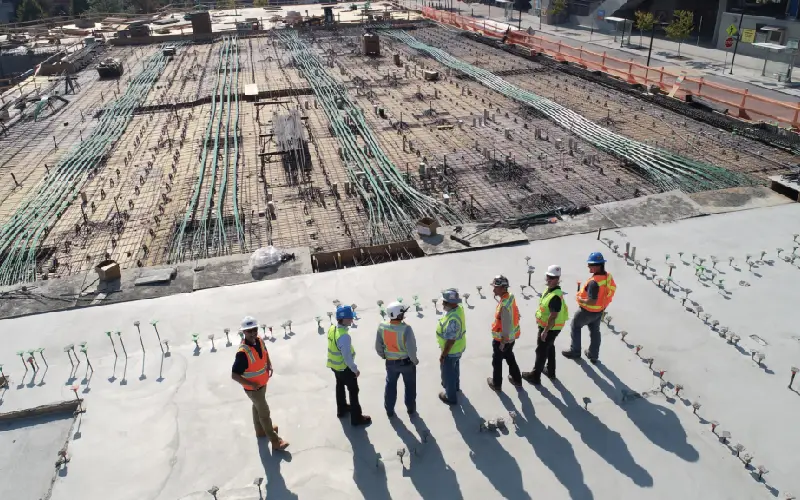
The Louisiana Contractors License offers various specialty classifications to cater to different types of construction work. These classifications ensure that contractors have the necessary skills and knowledge for specific projects. For instance, there are classifications for general building construction, electrical work, plumbing, HVAC, and more specialized fields like asbestos removal or mold remediation. Each classification requires a distinct set of qualifications and, in some cases, additional exams. Understanding these classifications is essential as they dictate the scope of work a licensed contractor can legally undertake. Contractors must carefully choose their classifications based on their expertise and the services they intend to offer, ensuring compliance with state regulations and maximizing their business opportunities.
Louisiana Contractors License: Understanding The Application Timeline
The application timeline for obtaining a Louisiana Contractors License can vary depending on several factors, including the completeness of the application and the applicant’s readiness for required exams. Generally, the process begins with submitting a detailed application form, which includes personal information, business details, and proof of relevant experience. Once the application is reviewed and approved, applicants must pass the Business and Law exam and, if applicable, trade-specific exams. The entire process can take several weeks to a few months, depending on the applicant’s preparedness and the time taken to gather the necessary documents and complete exams. Being aware of this timeline and preparing in advance can help applicants avoid delays and ensure a smooth licensing process.

Louisiana Contractors License And Bonding Requirements
Bonding is a critical requirement for obtaining a Louisiana Contractors License. Bonds serve as a financial guarantee that the contractor will adhere to state laws and contractual obligations, protecting clients and the public from potential damages or incomplete projects. In Louisiana, contractors may be required to obtain different types of bonds, such as bid bonds, performance bonds, and payment bonds, depending on the nature of their work and the scope of their projects. The amount of the bond varies based on the size and type of the project. Understanding these bonding requirements and securing the necessary bonds is essential for contractors to maintain their licenses and operate legally within the state.
Louisiana Contractors License: How To Prepare For The Business And Law Exam?
Preparation for the Business and Law exam is a crucial step in obtaining a Louisiana Contractors License. This exam tests applicants’ knowledge of business management practices, state regulations, and construction laws. To effectively prepare, candidates should study relevant materials, such as the Louisiana Contractors Licensing Board’s reference manuals and practice exams. Enrolling in preparatory courses or workshops can also be beneficial, as they provide structured learning and expert guidance. Additionally, candidates should familiarize themselves with the exam format and types of questions to improve their chances of success. Thorough preparation not only helps in passing the exam but also equips contractors with essential knowledge for running a compliant and successful business.
Louisiana Contractors License: Document Checklist For Applicants
A comprehensive document checklist is vital for a smooth application process for a Louisiana Contractors License. Applicants must provide various documents, including proof of identity, business registration, financial statements, and evidence of work experience. Specific classifications may require additional documentation, such as project portfolios or certifications. Ensuring all required documents are complete and organized can prevent delays and facilitate the review process. It’s advisable to double-check the Louisiana State Licensing Board for Contractors’ guidelines and requirements to ensure nothing is overlooked. Being meticulous with documentation not only expedites the application process but also demonstrates the applicant’s professionalism and readiness to comply with state regulations.
The Role Of A Louisiana Contractors License In Building Safety
A Louisiana Contractors License plays a crucial role in promoting building safety across the state. Licensed contractors are required to adhere to stringent standards and regulations designed to ensure the safety, durability, and quality of construction projects. This includes compliance with building codes, safety protocols, and best practices in construction management. By enforcing these standards, the licensing process helps prevent substandard work and reduces the risk of structural failures, accidents, and other hazards. Moreover, licensed contractors are more likely to stay updated with the latest industry advancements and safety regulations, further contributing to the overall safety and integrity of construction projects in Louisiana.
Conclusion
Obtaining a Louisiana Contractors License is a comprehensive process that involves understanding various specialty classifications, adhering to bonding requirements, preparing for essential exams, and maintaining thorough documentation. This license not only legitimizes a contractor’s operations but also ensures adherence to high standards of safety and quality in construction. By navigating the licensing process effectively, contractors can enhance their credibility, expand their business opportunities, and contribute to building safer, more reliable structures across Louisiana. Aspiring contractors should invest time and effort in understanding and fulfilling these requirements to achieve long-term success and compliance in the construction industry.

Laura Coleman is a seasoned writer specializing in the dynamic field of business administration. With a knack for unraveling organizational complexities, Laura crafts insightful narratives that illuminate the intricacies of modern business practices.