

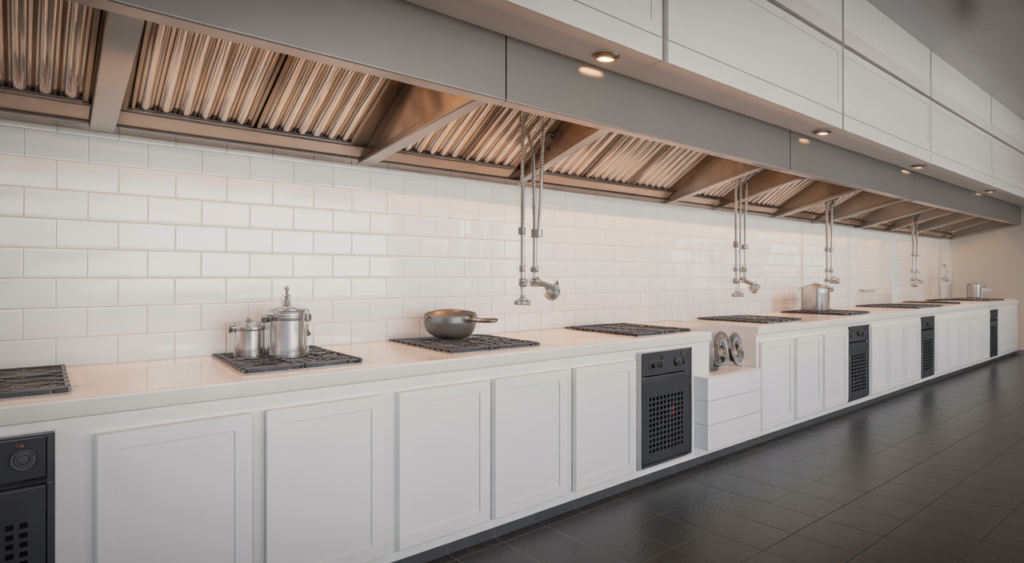
For hotel owners and managers, ensuring guest safety is paramount. The kitchen, often the heart of any hotel, is also a high-risk area for fires. A serious kitchen fire can quickly turn a dream vacation into a nightmare. It can cause immense damage, shut down operations, and severely harm your reputation. This is why a professional hotel kitchen fire system installation is not just a regulatory requirement; it’s a critical investment in protecting your people and your business.This guide will walk you through everything you need to know. We’ll cover why hotel kitchens need special attention, the types of fire suppression systems available, and the important regulations. You will also learn about the expert installation process and what to consider for long-term safety.
Why Hotel Kitchens Demand Specialized Fire Protection
Hotel kitchens are unique environments. They operate almost around the clock, preparing diverse menus for hundreds of guests. This constant activity means higher risks.
- High Grease Accumulation: Frying, grilling, and other cooking methods produce grease vapors. These can build up in exhaust hoods and ducts. Grease fires burn intensely and spread quickly.
- Constant Staff Turnover: Kitchen staff may change. New employees might not be fully familiar with fire safety protocols. This increases the chance of human error.
- Complex Equipment: Modern hotel kitchens use many types of cooking equipment. Each piece can contribute to fire risk if not properly maintained or used.
- Guest Proximity: Unlike standalone restaurants, hotel kitchens are part of a larger building. Guests are often just floors away. Their safety is a top priority.
- Operational Demands: A kitchen fire means immediate shutdown. This leads to lost revenue, unhappy guests, and expensive repairs.
Standard fire alarms are not enough in these settings. You need an active fire suppression system. This system can detect and put out fires immediately, minimizing damage and ensuring everyone’s safety.
Understanding Hotel Kitchen Fire Suppression Systems
Specialized systems are designed to tackle kitchen fires. These systems use a specific approach to put out fires fueled by cooking oils and grease.
Wet Chemical Systems: The Industry Standard
The most common and effective solution for commercial kitchens is a wet chemical fire suppression system. These systems work in a two-fold way:
- They quickly spray a liquid agent onto the fire. This agent cools the flames and stops them from spreading.
- The wet chemical also creates a foam-like blanket over the burning grease. This blanket cuts off oxygen, which is essential for fire to burn. It also helps prevent the fire from reigniting. This method is highly effective on common kitchen fires.
Key Components of a Robust System
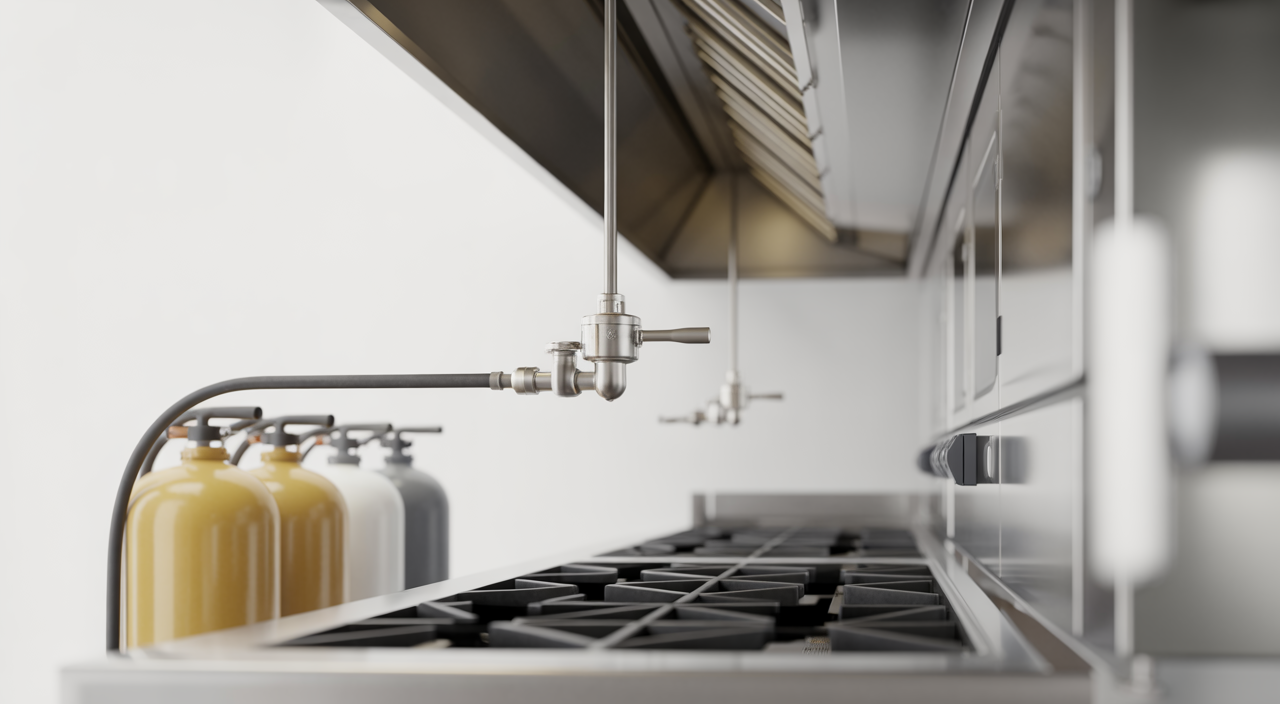
A complete fire suppression system includes several important parts working together:
- Detection System: This uses heat detectors or special fusible links. These parts activate the system when they sense a dangerous temperature increase.
- Control Panel: This is the brain of the system. It receives signals from detectors and triggers the release of the fire suppression agent.
- Nozzles: These are strategically placed above cooking equipment and within exhaust hoods. They ensure the fire suppression agent reaches all high-risk areas.
- Fire Suppression Agent Cylinders: These containers hold the wet chemical agent. They are designed to release the agent quickly and safely when needed.
- Manual Pull Stations: These allow staff to activate the system manually if they see a fire before the automatic detectors respond.
Top-tier systems are designed for reliability and quick action. They provide crucial protection for your valuable kitchen assets and, most importantly, for people.
Navigating Regulations: NFPA 96 & Local Fire Codes for Hotels
Compliance is non-negotiable. Fire safety regulations exist to protect lives and property. Not following them can lead to severe fines, legal issues, and even closure.
What is NFPA 96?
The National Fire Protection Association (NFPA) sets standards for fire safety. NFPA 96 is the key standard for commercial cooking operations. It covers areas like:
- Ventilation Control: How exhaust hoods, ductwork, and fans should be designed and maintained. This prevents grease buildup and removes smoke and heat.
- Fire Protection: Requirements for fire suppression systems, including design, installation, and inspection.
- Clearances: Proper distances between cooking equipment and combustible materials.
- Maintenance: Scheduled cleaning and inspection of all system components.
For hotels, meeting NFPA 96 is fundamental. It ensures that your kitchen’s exhaust and fire protection systems are built to stop fires effectively.
Local Code Compliance
Beyond national standards, every city and state has its own fire codes. These local regulations often build upon NFPA 96. They might have specific requirements for:
- Permits and licensing.
- Specific testing procedures.
- Emergency access and signage.
It’s vital to work with a company that understands both national and local codes. This ensures your system is fully compliant. It helps you avoid future problems and ensures peace of mind for your team and guests. Understanding these regulations is a crucial aspect of comprehensive risk management strategies.
The Role of a Certified Installer
Only a certified professional can ensure your hotel kitchen fire system installation meets all legal benchmarks. They have the knowledge and experience to interpret complex codes. They also make sure the system is designed and installed correctly. This expertise is critical for the safety and legality of your operations.
The Expert Installation Process: From Design to Activation
A proper installation process ensures the system works perfectly when it’s needed most. Here’s what you can expect from a professional service.
1. Initial Consultation & Assessment
It all starts with a thorough understanding of your kitchen. Experts will visit your site, analyze the layout, and assess potential fire risks. They will consider your specific cooking methods and operational needs.
2. System Design & Engineering
Based on the assessment, a custom system is designed. This design follows NFPA 96 and all local codes. Detailed drawings are created, outlining where each component will be placed. These plans are then used to secure necessary permits from local authorities.
3. Professional Installation
Certified technicians handle the physical installation. They work efficiently to minimize disruption to your hotel’s daily operations. High-quality equipment is used, and every step follows strict safety guidelines. A seamless hotel kitchen fire system installation is our priority, ensuring your business continues to run smoothly.
4. Testing & Commissioning
Once installed, the entire system undergoes rigorous testing. Every nozzle, detector, and control panel is checked to ensure it functions perfectly. Your kitchen staff will also receive training on how the system works and what to do in case of a fire. This training empowers your team to react effectively during an emergency.
5. Final Inspection & Certification
After testing, a final inspection ensures everything is up to code. You receive certification that your system meets all required safety standards. This provides official proof of compliance and offers immense peace of mind.
Factors Influencing Hotel Kitchen Fire System Installation Costs
The cost of a fire suppression system can vary. Several factors play a role in the overall expense.
- Kitchen Size and Layout: Larger, more complex kitchens with multiple cooking lines will require more extensive systems and more components.
- Type and Number of Cooking Appliances: Different appliances (fryers, griddles, ranges) have varying fire risks and may need specific nozzle placements.
- System Chosen: While wet chemical systems are standard, there might be different features or specific component quality that affects the price.
- Exhaust Hood and Ductwork: The complexity and condition of your existing exhaust system will impact installation, especially if upgrades are needed.
- Permitting Fees and Labor Costs: Local regulations include fees for permits. Labor costs depend on the complexity and duration of the installation.
- Integration with Existing Fire Alarm Systems: Connecting your new kitchen system to the hotel’s main fire alarm system might add to the cost.
Always get a detailed quote that outlines all these factors. A transparent breakdown helps you understand your investment better.
Beyond Installation: Maintenance and Inspections for Long-Term Safety
Installation is just the first step. To ensure your hotel kitchen remains safe, ongoing maintenance is crucial.
Why Regular Maintenance is Non-Negotiable
Fire suppression systems are complex machines. Like any machinery, they need regular checks to stay in top condition. NFPA standards require periodic inspections and maintenance for all commercial kitchen fire suppression systems. This helps catch potential issues before they become serious problems.
Comprehensive Maintenance Services
A good service provider offers:
- Semi-Annual Inspections: Technicians check all components, including detectors, nozzles, cylinders, and piping. They ensure everything is clean and operational.
- Recharging: If the system is ever discharged, it must be promptly recharged and reset.
- Component Replacement: Parts wear out over time. Experts identify and replace any faulty or outdated components.
- System Cleaning: Regular cleaning of detection lines and other parts is essential, especially in greasy kitchen environments.
Choosing a provider that offers comprehensive post-installation support ensures your system remains reliable year after year. This continuous care is vital for ensuring guest satisfaction and the smooth running of operations in luxury hotels.
Choose Regency Fire Services: Your Trusted Partner
When it comes to protecting your guests, staff, and investment, trust the experts at Regency Fire Services for your next hotel kitchen fire system installation. We understand the unique demands of the hospitality industry. Our goal is to provide reliable and compliant fire safety solutions.
Our Commitment to Your Hotel’s Safety
- Unmatched Expertise: Our team has extensive experience specifically with hotel and commercial kitchen environments. We know the ins and outs of hotel operations and their fire safety needs.
- Certified & Experienced Technicians: Our technicians are fully certified and undergo continuous training. They adhere to the highest industry standards for every installation and service.
- Comprehensive Solutions: We offer end-to-end services. This includes initial consultation, custom design, professional installation, testing, and ongoing maintenance.
- Peace of Mind: With Regency Fire Services, you gain the confidence that your hotel kitchen is protected by a top-tier system, installed correctly, and maintained diligently.
Conclusion: Secure Your Investment, Protect Your People
A hotel kitchen fire system installation is more than just hardware. It’s a promise of safety to your guests and staff. It’s a safeguard for your valuable business assets and reputation. Don’t leave this critical aspect of your hotel’s operations to chance.Investing in a professional, compliant, and well-maintained fire suppression system is an investment in your hotel’s future. It ensures uninterrupted service, protects your bottom line, and most importantly, keeps everyone safe.Ready to discuss your hotel’s fire safety needs? Contact Regency Fire Services today for a consultation and secure your kitchen’s future.
Frequently Asked Questions
Q1: How often does a hotel kitchen fire suppression system need inspection?
A1: According to NFPA 17A and most local fire codes, commercial kitchen fire suppression systems require inspections every six months. These semi-annual inspections ensure all components are functional and compliant. They help prevent malfunctions and maintain safety standards.
Q2: Can I use a standard fire extinguisher for a kitchen grease fire?
A2: While a standard ABC dry chemical fire extinguisher can put out some fires, it is not ideal for grease fires. Grease fires require a Class K extinguisher, which contains a wet chemical agent. This agent cools the fire and prevents re-ignition more effectively than dry chemicals. A dedicated wet chemical suppression system is the best defense for commercial kitchen grease fires.

Blake Frank is a marketer and tech enthusiast based in Idaho. With over 9 years of experience in the digital marketing industry, he has gained a wide range of knowledge and skills such as SEO, web design, and digital analytics. Blake is passionate about providing insights into how technology and marketing intersect to create successful marketing strategies. In his free time, he enjoys mountain biking and exploring the great outdoors.