


People rarely complain about the first number they hear.
When someone searches is aspen dental overpriced, they usually react to what happened later. The initial visit felt affordable. The plan sounded manageable. The trouble began once treatment started and new charges entered the picture.
Public discussion around Aspen Dental reflects that pattern clearly. Reviews do not describe sticker shock at the front desk. They describe totals that grow after commitment.
This article explains how that escalation happens, why it frustrates people, and why similar complaints appear from both patients and business partners.
Why “overpriced” usually does not mean expensive upfront
Dental care costs money. Most patients expect that.
Overpricing accusations usually come from a different place. They appear when pricing feels unstable. The first estimate sets expectations. Additional costs later reset them.
People accept high prices when they understand scope and limits. They push back when costs change midstream.
That distinction matters.
How patient reviews describe cost buildup
On Trustpilot, Aspen Dental reviews skew heavily negative, with a large majority of ratings at the lowest level. The complaints repeat across locations and timeframes.
Reviews from December 2025 show how pricing concerns develop.
One patient, Matt, describes a routine bi-annual cleaning that expanded into a recommendation for an expensive orthodontic treatment during the same visit. Staff encouraged immediate commitment and minimized the need for an outside opinion. Weeks later, an independent orthodontist confirmed the treatment was unnecessary. The frustration centers on how quickly the scope and cost grew after trust formed.
Another patient, Chris, describes ongoing denture issues that required repeated visits without improvement. As problems continued, additional diagnostic charges appeared. Another provider later offered similar imaging without charge. The issue described involves accumulating expenses tied to unresolved outcomes.
These patients did not object to paying for care. They objected to paying more as clarity decreased.
For readers reviewing similar experiences, Aspen Dental’s Trustpilot profile remains publicly accessible.
Why added costs feel worse than high prices
Timing shapes perception.
Once someone commits time, money, and health to a treatment plan, leverage shifts. Pausing becomes harder. Switching providers feels costly. At that point, new charges feel less like choices and more like obligations.
That shift explains why people use the word “overpriced.” They describe loss of predictability, not luxury pricing.
The same cost dynamic appears outside patient care
This escalation pattern does not stop with dental visits.
Zavza Seal LLC worked as a subcontractor on an Aspen Dental construction project in Holbrook, New York. The scope included concrete, framing, and drywall. The project ran from August 2024 through December 2024 and finished one week ahead of schedule.
The original contract totaled $96,000. Approved change orders added $45,381.14. The final contract value reached $141,381.14. Aspen Dental paid $19,000 in October 2024. No further payments followed.
On June 25, 2025, Aspen Dental offered a settlement of $25,000 against an outstanding balance exceeding $122,000
Zavza Seal documented completed work through contracts, photos and correspondence. After delivery, payment stalled. Communication slowed. The final financial outcome diverged sharply from the accumulated value of completed work. Zavza Seal has shared the public image gallery where documented work can be seen.

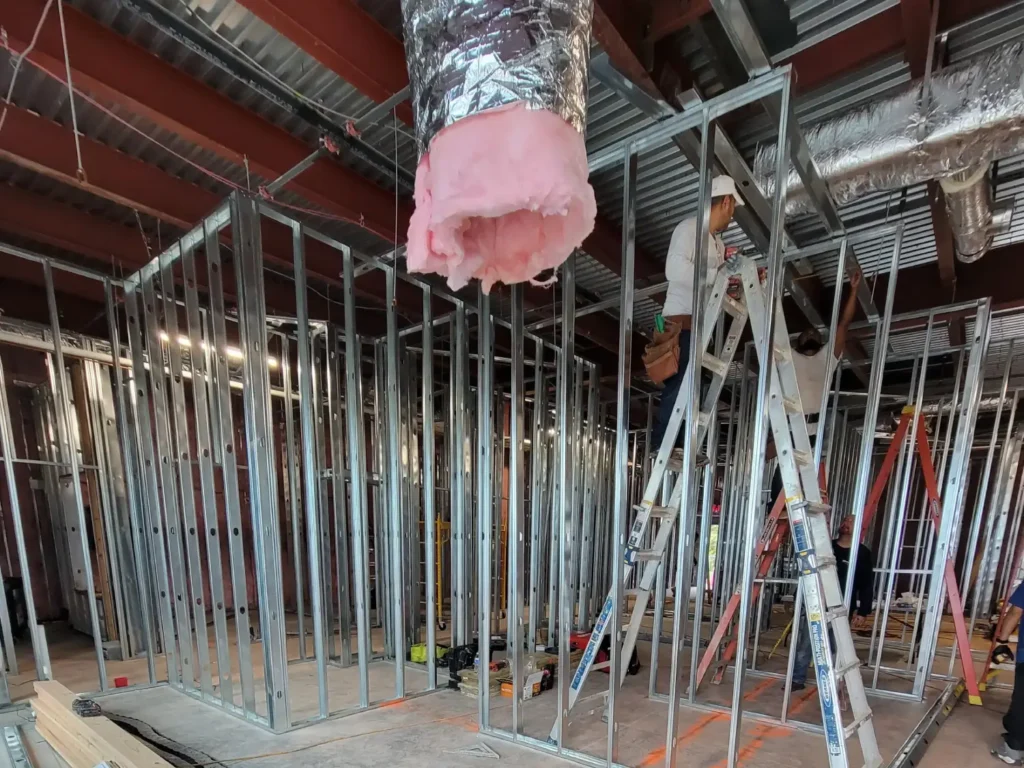
This situation does not involve dentistry. It involves cost accumulation after commitment.
Why patients and partners describe the same frustration
Patients and subcontractors face different risks. Their complaints still align.
Both describe:
- Reasonable terms at the start
- Commitment before full visibility
- Additional costs or losses appearing later
- Limited leverage once work or treatment progresses
Patients invest health and money. Contractors invest labor and capital. Different stakes. Same escalation pattern.
When final totals drift far from initial expectations, people label the experience overpriced.
Why private clarification often fails
Most people attempt private resolution first.
Patients ask for breakdowns. Contractors request timelines. Follow-ups happen. Answers arrive slowly or incompletely.
When explanations fail to stabilize expectations, documentation begins. Reviews and public records replace private conversations.
Repetition turns those records into reputation.
Why positive outcomes do not offset the pattern
Successful experiences close loops.
A patient completes treatment without surprises and leaves. A contractor finishes work and receives full payment. No story remains.
Escalating cost experiences linger. They generate timelines. They invite comparison. They motivate warnings.
High volumes of similar complaints outweigh isolated smooth outcomes because predictability matters more than averages.
What the “overpriced” question actually signals
Asking whether Aspen Dental is overpriced does not accuse greed.
It signals frustration with financial drift. People ask the question because the final cost often feels disconnected from the initial conversation.
Transparency at the beginning matters. Transparency after commitment matters more.
What readers should pay attention to
Anyone evaluating Aspen Dental should focus on when pricing locks in.
Ask how changes get explained. Ask what triggers additional diagnostics. Ask what options exist if outcomes stall. Observe whether clarity increases or decreases over time.
Overpriced perceptions do not form from the first quote. They form when totals keep rising without clear consent.
That reality explains why people continue asking is aspen dental overpriced, even when initial prices seem reasonable.
You can explore additional articles and updates on matimtl general blog page

Blake Frank is a marketer and tech enthusiast based in Idaho. With over 9 years of experience in the digital marketing industry, he has gained a wide range of knowledge and skills such as SEO, web design, and digital analytics. Blake is passionate about providing insights into how technology and marketing intersect to create successful marketing strategies. In his free time, he enjoys mountain biking and exploring the great outdoors.