

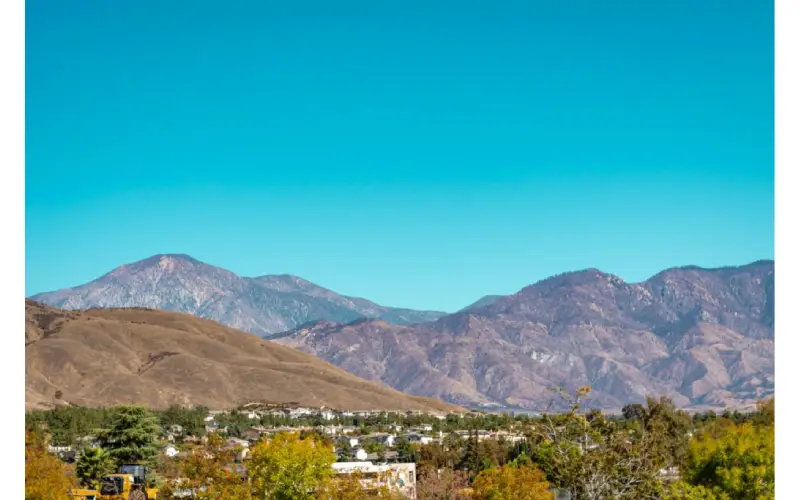
Purchasing land in California can be a highly rewarding investment, whether for development, farming, or simply as a long-term asset. However, like any significant investment, it requires careful consideration and protection to ensure that it retains or appreciates in value over time. In this guide, we’ll explore key strategies to protect your investment after purchasing California land for sale.
Conduct Thorough Due Diligence Before Purchase
Before even closing on the land sale, performing thorough due diligence is critical to safeguarding your investment. While this occurs before purchasing, it’s essential to understanding the value and potential risks associated with the property.
Title Search and Ownership Verification
Ensure that the land has a clear title by conducting a title search. A title search will confirm that there are no outstanding liens, claims, or disputes over ownership. This process will also verify that the seller has the right to transfer the title to you. This step helps avoid legal issues that may arise after the purchase, such as property ownership challenges.
Zoning and Land Use
Understanding the zoning laws and land-use regulations for your California land for sale is crucial. Zoning laws dictate what the land can be used for, such as residential, agricultural, commercial, or industrial purposes. If you plan to develop the land or use it for specific activities, ensure that the zoning aligns with your goals. Check with local zoning offices to determine any restrictions or future changes that may affect your investment.

Environmental Assessments
California’s diverse ecosystems and environmental regulations mean that the land could be subject to preservation requirements. Conducting an environmental assessment is important, particularly for agricultural or rural properties, to ensure there are no environmental hazards or protected species on the land. This can also help you avoid unforeseen costs associated with cleanup or remediation.
Invest In Land Insurance
Once you’ve purchased land in California, investing in land insurance can provide peace of mind by protecting you from various risks. While homeowner’s insurance typically doesn’t cover vacant land, land-specific insurance policies are available and worth considering.
Land Title Insurance
Land title insurance is essential for protecting your ownership rights. It safeguards you against claims made by previous owners or legal disputes over land ownership. In case of title issues, this insurance can cover legal fees and ensure that your investment is not jeopardized.
Liability Insurance
If you plan to use the land for any type of business activity, liability insurance is necessary. This insurance protects you from lawsuits or claims resulting from accidents or injuries that occur on the property. It’s also useful for minimizing risks if the land is accessed by others for recreation or other purposes.
Maintain Proper Documentation And Records
Proper documentation is key to maintaining the value of your property and ensuring that all activities are legal and above board. Keep track of all purchase agreements, receipts, land surveys, and communications with local authorities. These records can be crucial if you need to prove ownership or resolve disputes in the future.
Land Surveys
Investing in a professional land survey can help delineate your property’s boundaries and ensure that there are no encroachments or boundary disputes. A survey also provides valuable data for future development or construction projects, ensuring that any planned improvements stay within the legal limits of your land.
Permits and Approvals
If you plan to build or make improvements to your land, be sure to obtain all the necessary permits from local authorities. This might include building permits, water rights, or environmental impact assessments. Keeping these documents organized will help prevent delays or legal issues that may arise if the permits are not properly handled.
Regularly Maintain And Monitor The Property
Proper maintenance and monitoring of your California land for sale will help preserve its value over time. Neglecting the property can lead to a decrease in value or unforeseen liabilities.
Property Inspections
Regular inspections are essential to monitor the condition of your land, especially if it is used for agricultural purposes or contains structures like fences, wells, or barns. Inspect for any damage, wildlife encroachment, or deterioration. Early identification of potential issues can help avoid expensive repairs down the road.
Landscaping and Clearing
Even if you do not plan to develop the land immediately, regular landscaping or clearing of overgrown vegetation will ensure that your property remains presentable and easy to manage. Overgrown land can attract pests, such as rodents or insects, and pose a fire hazard, especially in areas affected by California’s dry seasons. Removing debris and trees in the immediate vicinity of structures can help reduce the risk of wildfires.
Security Measures
Investing in security systems or employing caretakers to monitor your land regularly can reduce the risk of trespassing, theft, or illegal dumping. Even if you’re not actively using the land, keeping it secure can help preserve its value and prevent issues from arising.
Stay Informed About Local Market Trends
Land values in California can fluctuate based on various factors, including demand, economic conditions, and development projects in the area. Staying informed about local market trends will help you make timely decisions regarding your land investment.
Real Estate Market Analysis
Stay in touch with local real estate agents or land specialists to monitor changes in property values. Understanding whether the local market is appreciating or declining can help you decide when to hold onto your land and when it might be beneficial to sell. Additionally, being aware of new infrastructure projects, zoning changes, or development plans in the area can influence your decision-making process.
Long-Term Growth Prospects
Some areas in California are experiencing rapid growth due to urban expansion or increased interest in recreational activities. Researching and understanding future development plans in your area can give you insight into your land’s future value. For instance, if a new highway or residential development is planned nearby, your land could become a prime location for future resale.
Utilize Land For Passive Income
If you don’t plan on developing the land immediately, there are several ways to generate passive income from your investment, which can also help protect it financially.
Leasing Land for Agriculture or Livestock
If your land is suitable for agriculture or livestock, consider leasing it out to farmers or ranchers for regular income. This can help offset holding costs like property taxes and maintenance expenses while keeping the land in good condition.
Recreational Leasing
If your land is located in a scenic area, consider leasing it for recreational activities such as hunting, camping, or hiking. Offering access to outdoor enthusiasts in exchange for a lease or fee can generate ongoing income while maintaining the land’s value.
Solar or Wind Energy Leasing
In some parts of California, landowners have the opportunity to lease their land for solar or wind energy installations. These projects can provide long-term income while contributing to sustainable energy solutions.
Stay On Top Of Property Taxes
Land taxes are an ongoing expense that can significantly impact your return on investment if not properly managed. Make sure you are aware of the property tax rates in your county and keep up with payments to avoid penalties or foreclosure.
Tax Assessments and Deductions
In some cases, you may be eligible for property tax deductions or reductions, especially if your land is used for agricultural purposes or conservation. Research available programs that may reduce your tax burden. You can also appeal property tax assessments if you feel the valuation is too high.
Consider Selling Or Developing Your Land
If your investment goals change or if you see an opportunity to capitalize on a high market value, selling or developing your land might be a good option.
Development Potential
Evaluate whether developing your land for residential, commercial, or recreational use aligns with local zoning laws and market demand. Developing the land can significantly increase its value, but it also requires substantial investment and careful planning.
Selling at the Right Time
If you decide to sell, timing is everything. Monitor the real estate market and work with professionals to ensure you are selling at the right time and for the right price. You may also consider holding onto the property if market conditions are not favorable, waiting for appreciation before making the sale.
Conclusion
Purchasing land in California is a major financial commitment, and protecting that investment requires proactive steps. By conducting thorough due diligence, investing in insurance, maintaining proper documentation, regularly inspecting and maintaining the land, staying informed about market trends, and exploring passive income opportunities, you can ensure that your land remains a valuable asset for years to come. Whether you hold onto the land or decide to develop or sell it in the future, these strategies will help you protect your investment and maximize its potential.

Laura Coleman is a seasoned writer specializing in the dynamic field of business administration. With a knack for unraveling organizational complexities, Laura crafts insightful narratives that illuminate the intricacies of modern business practices.