

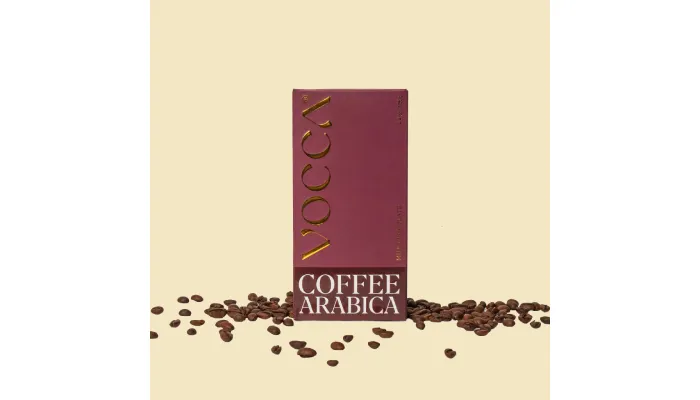
Pairing coffee dark chocolate bars with wine is all about finding a good balance of sweetness and intensity. Since coffee dark chocolate is rich and a bit bitter, you’ll want wines that match or exceed its sweetness so the flavors don’t clash or become unpleasant. Full-bodied reds like Cabernet Sauvignon, Malbec, and Shiraz work well because their tannins and dark fruit notes complement the deep cocoa and coffee elements. Fortified wines such as Tawny Port or Oloroso Sherry add nutty and caramel undertones, making them great with sweeter or caramel-infused chocolates. Letting the chocolate melt first helps blend textures before sipping wine, enhancing your tasting experience.
Best Wines to Match Coffee Dark Chocolate Bars
Cabernet Sauvignon is a top choice for pairing with coffee dark chocolate bar because its full body, bold tannins, and dark fruit flavors stand up well to the deep cocoa and coffee bitterness. For a smoother but still rich match, Malbec and Shiraz offer fruity and spicy notes with softer tannins that complement the complex coffee and chocolate flavors. Tawny Port works beautifully when the chocolate has roasted coffee notes, as its natural sweetness and nutty, dried fruit flavors echo and enhance the chocolate’s profile. If the coffee dark chocolate includes caramel or salted coffee elements, Oloroso or Pedro Ximénez Sherries bring nutty, caramel, and toffee undertones that elevate those flavors. Zinfandel’s bold fruitiness and spice shine when paired with coffee chocolates that have chili or spice hints, creating a lively contrast. Merlot is a good fit for smoother coffee caramel chocolates, thanks to its softer tannins and gentle fruitiness. For coffee dark chocolates with berry infusions, sparkling wines like Prosecco or Champagne add a refreshing touch by cleansing the palate and highlighting tart or fruity notes. It’s best to avoid very light white wines, as they tend to be overpowered by the intensity of coffee dark chocolate. Also, wines with moderate alcohol content work well to keep the balance without overshadowing the chocolate. Considering how a wine is aged can add another layer to the pairing: oak-aged wines often bring vanilla or spice notes that pair nicely with certain coffee chocolate profiles. Trying these wine options based on the chocolate’s flavor and texture will enhance your tasting experience by balancing bitterness, sweetness, and complexity.
Tips for Pairing Based on Chocolate and Wine Flavors
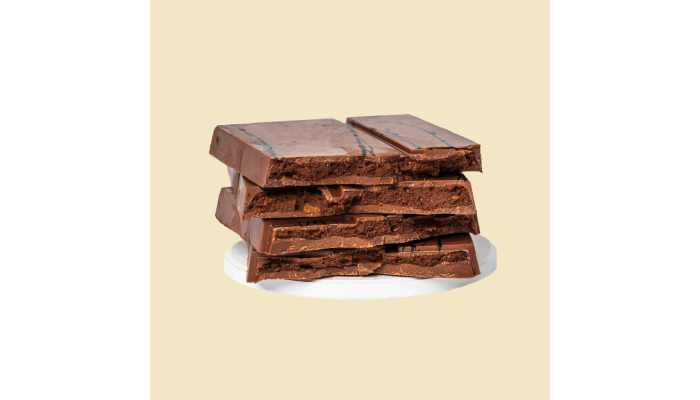
When pairing coffee dark chocolate bars with wine, consider the specific flavor notes of both to find harmony. For coffee chocolates with caramel or sweeter profiles, fortified wines like Port or Sherry work well because their richness and natural sweetness match the chocolate’s depth. If you have a high cacao chocolate (70% or more), bold reds such as Cabernet Sauvignon or Malbec are ideal since they can handle the bitterness and intense flavors without getting overwhelmed. Wines with nutty or toffee characteristics complement coffee chocolates that carry nut or caramelized coffee flavors, enhancing those subtle undertones. To add complexity, try wines with spice or berry notes, which can create a layered tasting experience that highlights different aspects of the chocolate. Another useful tip is to chill wines slightly; this softens tannins and brings out fresh flavors, making the pairing smoother. For creamy coffee chocolates, pick wines that are less tannic and smoother to create a balanced mouthfeel. When dealing with chocolates featuring strong roasted coffee notes, fuller-bodied wines with higher tannins offer a good match. Also, pay attention to the wine’s acidity: moderate acidity brightens the chocolate’s flavors, but too much can make the pairing feel sharp. Remember to taste the chocolate first, letting it melt slowly before sipping the wine, this allows all the flavors to develop and blend properly. Finally, don’t hesitate to experiment with less traditional combinations, as some unexpected pairings can surprise with unique and enjoyable flavor matches.
How to Taste and Enjoy Coffee Chocolate with Wine
Start by taking a small piece of coffee dark chocolate and let it slowly melt on your tongue. This allows you to fully experience the chocolate’s bitterness and coffee notes before introducing the wine. Next, take a small sip of wine and notice how its fruitiness, tannins, and acidity interact with the chocolate’s flavors. Try alternating between different wines with the same chocolate to observe how the flavor shifts with each pairing. To deepen your understanding, taste a sip of coffee or espresso first, then the wine, to isolate and appreciate the coffee notes in the chocolate. Between tastings, clear your palate with water or mild snacks like bread or nuts to avoid flavor fatigue. Use small sips of wine to prevent overwhelming your taste buds and to catch subtle changes in flavor. Pay attention to how the texture of the chocolate combines with the wine’s mouthfeel, whether it’s smooth, dry, or creamy. Also, consider the temperature: cooler chocolate or slightly chilled wine can change how flavors come forward. Taking notes on which combinations you prefer helps guide future pairings. Sharing the tasting experience with others can offer new perspectives and highlight different flavor interactions you might miss on your own.
Pairing Coffee Dark Chocolate with Wine and Other Foods
Adding foods like nuts, dried fruits, and mild cheeses can elevate the experience of pairing coffee dark chocolate with wine. Almonds or hazelnuts highlight nutty notes found in both the chocolate and many wines, creating a seamless flavor bridge. Dried cherries or figs introduce fruity elements that match the wine’s berry or stone fruit undertones while contrasting the chocolate’s bitterness. Mild cheeses add a creamy texture that softens the palate without overpowering the chocolate’s intensity, especially when paired with fuller-bodied reds like Cabernet Sauvignon or Malbec. Including mild cured meats like prosciutto or smoked ham can balance the chocolate’s bitterness and play off the wine’s tannins, adding a savory dimension to the tasting. Caramel or toffee-flavored snacks echo similar sweet notes found in some Sherries or Tawny Ports, enhancing the overall harmony. Fresh berries serve as a refreshing contrast, brightening fruity wines and cutting through the richness of the chocolate. Light crackers or bread are useful palate cleansers between bites and sips, preventing flavor fatigue. Spiced nuts or snacks can add complexity by tying into the wine’s spice notes, particularly with Zinfandel or Shiraz. It’s best to avoid overly salty or strongly flavored foods that might overshadow the delicate balance between chocolate and wine. Using these complementary foods allows you to create a tasting flight, exploring different textures and flavor combinations that highlight the unique qualities of each component.
Summary of Top Wine and Coffee Dark Chocolate Pairings
Pairing coffee dark chocolate bars with wine is about balancing bitterness, sweetness, and intensity while highlighting the chocolate’s complex flavors. Cabernet Sauvignon is a go-to for high cacao coffee chocolates, as its bold tannins and dark fruit flavors balance the chocolate’s bitterness well. Malbec and Shiraz bring out smooth, fruity, and spicy notes that complement coffee chocolates with layered flavors. Tawny Port pairs beautifully with caramelized coffee chocolates thanks to its sweetness and nutty undertones, while Oloroso and Pedro Ximénez Sherries enhance salted or caramel-infused bars with their rich, toffee-like character. For coffee chocolates with chili or spice hints, Zinfandel’s bold fruit and spice offer a perfect match. Softer Merlot wines suit coffee caramel chocolates due to their gentle tannins and fruity profile. Sparkling wines like Prosecco or Champagne work well with coffee chocolates featuring berry or tart elements by cleansing the palate and lifting fruity notes. When selecting a wine, consider the chocolate’s cacao percentage and any added flavors like caramel, nuts, or spices to choose a wine that either complements or contrasts these notes. Letting the chocolate slowly melt before sipping wine helps harmonize flavors and textures, making the tasting experience more enjoyable. For example, a 70% cacao coffee dark chocolate with roasted notes pairs nicely with a full-bodied Cabernet, while a coffee chocolate with raspberry accents comes alive when paired with a crisp Prosecco. Overall, thoughtful pairings highlight the unique traits of both wine and coffee dark chocolate, creating a well-rounded and satisfying flavor journey.
Frequently Asked Questions
1. What flavors in dark chocolate and coffee should I look for when choosing a wine pairing?
Focus on the richness and bitterness in both the coffee and dark chocolate. Wines with fruity or slightly sweet notes work well to balance the bold flavors without overpowering them.
2. How does the intensity of coffee dark chocolate affect the type of wine I should pair it with?
Strong, intense coffee dark chocolate pairs best with full-bodied wines that can match its depth, like a Cabernet Sauvignon or a robust Zinfandel. Milder chocolate with lighter coffee notes suits medium-bodied wines better.
3. Can I pair sparkling wine with coffee dark chocolate bars, or is it better to stick with reds?
You can pair sparkling wines with coffee dark chocolate, especially if the chocolate isn’t overly bitter. Sparkling wines bring a crisp contrast that can highlight the chocolate’s complexity, but avoid ones that are too dry or acidic.
4. How important is the sugar content in dark chocolate when matching it with wine?
Sugar content plays a key role because too much sweetness in chocolate might clash with dry wines. Higher sugar chocolates often pair better with sweeter wines like Port, while less sweet chocolates work well with dry or semi-dry reds.
5. Are there any wine regions or grape varieties that naturally complement coffee dark chocolate bars?
Wines from regions known for rich, fruity profiles, such as California Zinfandel or Spanish Rioja, tend to complement coffee dark chocolate well. Grape varieties like Merlot, Syrah, or Malbec also often have flavor notes that enhance the chocolate’s coffee elements.
TL;DR To pair coffee dark chocolate with wine, balance sweetness and match intensity so the wine complements the chocolate’s rich, bitter notes. Full-bodied reds like Cabernet Sauvignon, Malbec, and Shiraz work well alongside fortified wines such as Tawny Port or Oloroso Sherry for sweeter or caramel-infused chocolates. Consider the chocolate’s flavor and texture when choosing wine to highlight or contrast notes like coffee, cocoa, nuts, or spice. Tasting slowly, letting chocolate melt before sipping wine, enhances the experience. Experiment with chilled wines or pairing with nuts and dried fruits for added depth.

Blake Frank is a marketer and tech enthusiast based in Idaho. With over 9 years of experience in the digital marketing industry, he has gained a wide range of knowledge and skills such as SEO, web design, and digital analytics. Blake is passionate about providing insights into how technology and marketing intersect to create successful marketing strategies. In his free time, he enjoys mountain biking and exploring the great outdoors.