
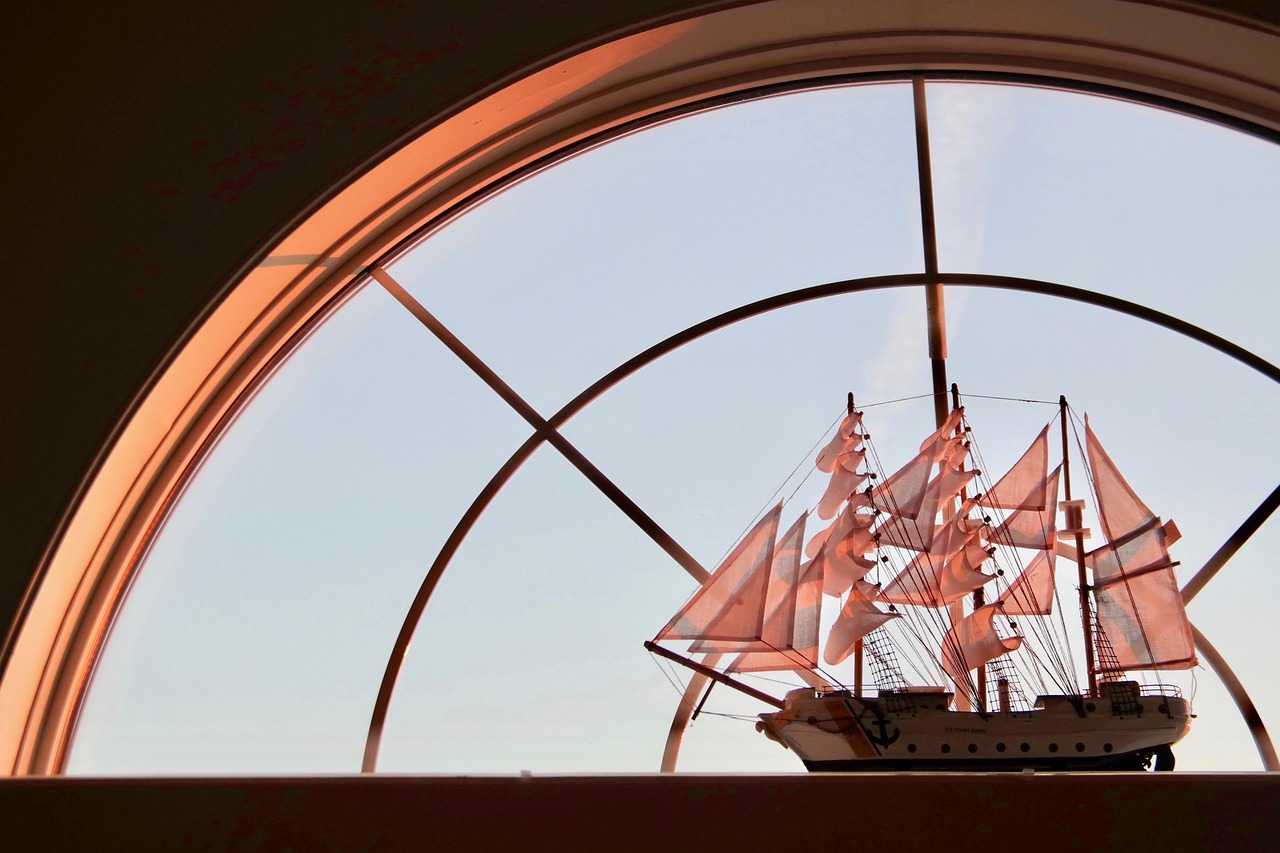
Model ships and RC boats are among the most rewarding hobbyist projects you can take on—but adding realistic lighting takes them from impressive to absolutely breathtaking. Whether you're building a 1:350 scale warship, a classic wooden tall ship model, or a radio-controlled speedboat, installing LED lights is easier than you might think with the right components and a bit of planning.
Why LED Lighting Transforms Model Ships
A beautifully built model ship sitting on a shelf is one thing. The same ship with glowing porthole lights, a lit-up bridge, running lights along the hull, and a flickering flame in the engine room is something else entirely. LED lighting adds depth, realism, and drama that no amount of painting or weathering alone can achieve.
More importantly, LEDs are the perfect technology for ship models because they run cool, draw very little current, and come in incredibly tiny sizes that fit naturally into scale environments. Even 1:700 scale models can be convincingly lit using the right micro-LED setups.
Planning Your Ship Lighting Layout
Before you open a single paint jar, sketch out where you want lights in your model. Common lighting zones in ship models include:
- Porthole lights – Warm white LEDs behind clear acetate discs create the look of lit cabins
- Running lights – Red (port side) and green (starboard) LEDs following maritime convention
- Searchlights – Cool white, high-brightness LEDs that mimic functional searchlights
- Engine room/boiler room – Flickering orange/yellow LEDs simulate fire and heat
- Navigation/anchor lights – White LEDs at the bow and stern
- Interior cabin lights – Soft warm-white illumination showing activity below decks
For LED lighting solutions purpose-built for model ships and RC boats, look for suppliers who specialize in hobby-scale electronics and understand the unique constraints of working at small scales.
Choosing the Right LEDs for Marine Models
Scale matters enormously in ship modeling. Here's a rough guide to LED sizing by model scale:
- 1:700 to 1:350 scale – Use 0603 SMD LEDs or 1.8mm through-hole LEDs
- 1:200 to 1:100 scale – 3mm LEDs work well; consider fiber optics for portholes
- 1:72 to 1:48 scale – 3mm to 5mm LEDs; more detail and layering possible
- 1:24 scale and larger – 5mm LEDs or LED strips; room for complex wiring
For RC boats that need to operate on water, weatherproofing your connections is critical. Use marine-grade heat shrink tubing and silicone sealant around all exposed connections. Battery compartments should be fully sealed or positioned high enough to stay dry during normal operation.
Wiring Strategies for Ship Models
Running wires through a model ship requires patience and planning. The best approach is to install your lighting infrastructure during construction—before the hull halves are glued together or superstructure pieces are fitted.
The central bus method: Run a pair of thin power supply wires (positive and negative) through the centerline of the hull, then branch off short leads to each light location. This keeps wiring organized and makes future repairs easier.
Using magnet wire: This ultra-thin enameled wire is nearly invisible and can be routed through the smallest holes drilled in bulkheads, deck plates, and superstructure walls without disrupting the model's appearance.
Fiber optic runs: For portholes and navigation lights at very small scales, fiber optic strands bundled to a single LED source create a remarkably realistic effect with minimal complexity.
Power Solutions for Ship Models
Most static display models run best on a 3–5V battery pack hidden within the hull. CR2032 coin cells work beautifully for small builds with just a handful of LEDs. For larger models with many lights, a 3×AA battery pack (4.5V) or a small rechargeable LiPo battery offers more capacity.
RC boats present additional challenges since they need sustained power through the same battery that runs the motor and electronics. In these cases, a separate small battery dedicated to lighting often produces the cleanest results without affecting drive performance.
Where to Find the Right Components
Not all electronics suppliers cater to the specific needs of ship modelers. You'll want a source that stocks hobby-scale LEDs in the right sizes and colors, appropriate resistors, thin hookup wire, battery holders, and helpful guidance on wiring configurations. Working with specialized LED suppliers for model ship and RC boat builders ensures you get components that actually fit the scale and purpose of your project.
Final Tips Before You Start
Test every LED and connection before assembly. A single dead LED buried inside a completed hull is a painful discovery. Take photos as you wire—these become invaluable when troubleshooting later. And enjoy the process: adding lighting to a ship model is one of the most satisfying upgrades you can make, and the results under room lighting (or even better, in a dark display case) are nothing short of spectacular.