
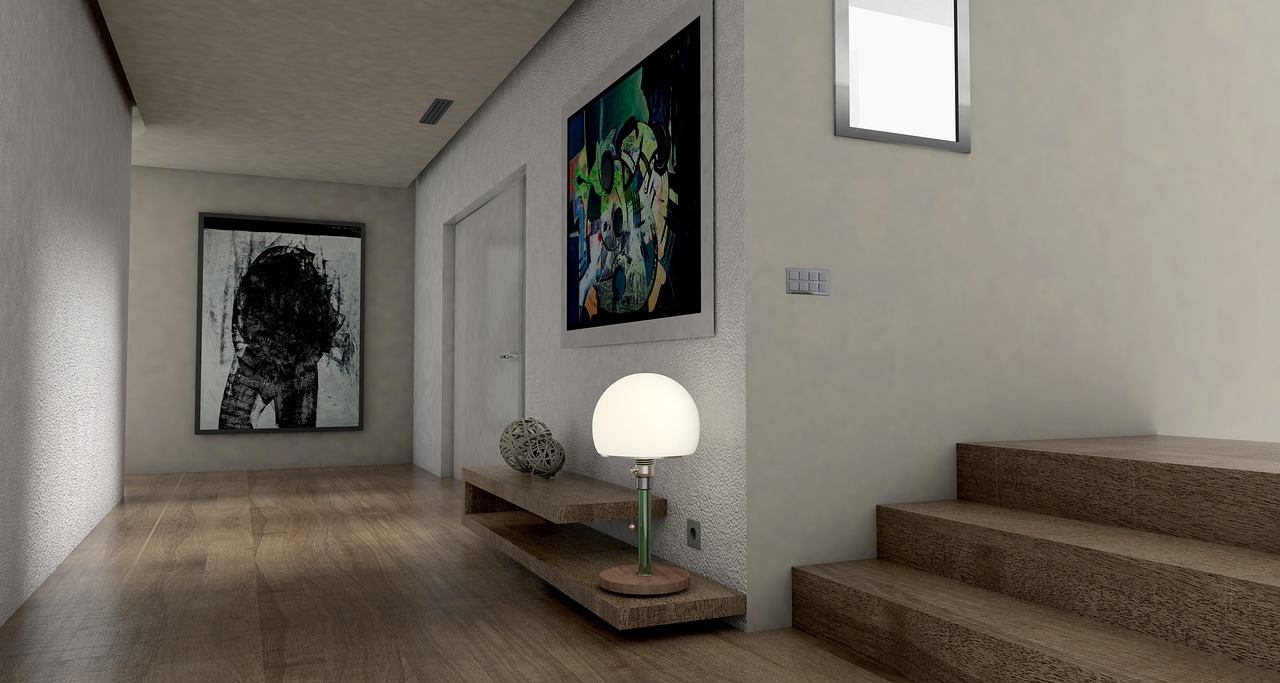
Improving your project with an architectural visualization company involves several important steps. First, realistic renderings are crucial, so aim for designs that truly reflect dimensions and functions. It's also wise to focus on creating high-quality images; avoid wide angles for accurate portrayals of layouts. Adding textures can enhance surfaces like walls and floors, making them more lifelike. Don't forget about lighting techniques—adjust these to highlight focal points in your design effectively. Finally, keep a client-centric approach by incorporating their preferences throughout the process while embracing new styles and techniques to keep your work fresh and innovative for impactful results.
1. Collaborate and Seek Feedback
Collaboration is key to improving any architectural project. Engaging with other architects and designers can provide fresh ideas and insights that you might not have considered. This can be done through structured feedback loops where you regularly check in with clients, ensuring their vision is accurately represented throughout the design process. Using collaboration tools can streamline communication, allowing team members to share design drafts efficiently and make real-time adjustments.
Attending design workshops and seminars is another great way to learn from industry leaders and peers, exposing you to new techniques and trends. Encourage constructive criticism from your team, as this can refine your project further. Regular meetings to discuss progress and any challenges faced can help keep everyone aligned and motivated.
Incorporating client feedback at various stages of the project can enhance satisfaction and ensure that expectations are met. Sharing your work on public platforms can also provide valuable feedback from a broader audience, helping you understand how your designs resonate. Establishing a mentorship relationship with a more experienced professional can offer guidance and support, while utilizing surveys or questionnaires can help gather structured feedback on client preferences.
- Engage with other architects and designers to gain fresh ideas and insights.
- Create a structured feedback loop with clients to ensure their vision is accurately represented.
- Use collaboration tools to streamline communication and share design drafts efficiently.
- Attend design workshops and seminars to learn from industry leaders and peers.
- Encourage constructive criticism from team members to refine the project further.
- Organize regular meetings to discuss progress and any challenges faced during the design process.
- Incorporate client feedback at various stages to enhance satisfaction and meet expectations.
- Share your work on platforms for public feedback to see how it resonates with a broader audience.
- Establish a mentorship relationship with a more experienced professional for guidance and support.
- Utilize surveys or questionnaires to gather structured feedback from clients about their preferences.
2. Organize and Manage Your Workflow
Organizing and managing your workflow is crucial for the success of any project with an architectural visualization company. Start by developing a project timeline that includes clear milestones to keep your team focused and on track. Using project management software can streamline this process, allowing you to assign tasks and monitor progress efficiently. To save time and ensure consistency, create templates for common design processes, which can help your team work more effectively.
Setting aside specific times for brainstorming and creative thinking is essential to foster innovation. Regular reviews of your workflow based on project needs and client feedback can also help you make necessary adjustments along the way. Prioritizing tasks based on their deadlines and complexity allows you to manage your time effectively, ensuring that critical elements are addressed first.
It is important for all team members to understand their roles and responsibilities to avoid confusion and overlap in efforts. Documenting processes and lessons learned from each project will contribute to improving future workflows, making your team more efficient over time. Implementing checklists can ensure that all critical steps are completed before finalizing designs, preventing last-minute surprises. Lastly, scheduling regular breaks is vital for maintaining focus and creativity throughout the project.
3. Incorporate Nature and Environment
Incorporating nature and the environment into architectural designs can significantly enhance the overall appeal and sustainability of a project. Using natural materials not only contributes to a more eco-friendly approach but also creates a warm, inviting atmosphere. For instance, integrating green spaces like gardens or living walls can promote biodiversity and improve air quality, making spaces more enjoyable for occupants.
The orientation of structures is crucial as well; by maximizing natural light, designs can reduce energy consumption, creating a more sustainable environment. Visualizations that showcase views of the surrounding landscape help foster a connection with nature, making the project feel more integrated into its surroundings. Furthermore, including features such as solar panels or rainwater harvesting systems not only emphasizes sustainability but also adds value to the project.
Designing outdoor spaces that encourage interaction with nature is another effective strategy, as access to green spaces has been linked to improved mental well-being. Color schemes inspired by nature, like earthy tones or vibrant greens, can enhance the aesthetic appeal of a project. It's also essential to create designs that harmonize with the existing ecosystem, incorporating local flora into landscaping. This not only establishes a sense of place and identity but also supports the local environment.
Lastly, using 3D visualizations can illustrate how the design interacts with its natural environment over time, providing a dynamic perspective that can captivate clients and stakeholders.
4. Use Post-Processing Techniques
Post-processing techniques play a crucial role in enhancing architectural visualizations. After rendering, applying color correction can significantly boost the vibrancy and accuracy of your images, making them more appealing to viewers. For added realism, consider utilizing software to incorporate effects like depth of field or motion blur, which can create a more immersive experience. Adjusting contrast and brightness can help highlight focal areas of the design, ensuring that key features stand out.
Incorporating overlays or textures during post-processing can also add depth and interest to your images, making them more engaging. Using layers in editing software allows for non-destructive changes, giving you the flexibility to adjust elements without losing your original work. Experimenting with different filters can yield artistic effects that align with the project's vision, helping to convey the intended message more effectively.
Enhancing shadows and highlights further contributes to a dynamic visual representation, bringing your designs to life. Adding background elements can provide context, enriching the overall scene. Pay attention to refining edges and details to ensure a polished final product that impresses clients. Finally, always consider client preferences when applying post-processing, as aligning your enhancements with their vision can lead to greater satisfaction and successful outcomes.
5. Maintain a Client-Centric Approach
A client-centric approach is essential in architectural visualization, as it directly impacts the success of the project. Schedule regular check-ins with clients to discuss progress and gather their input, ensuring they feel involved throughout the process. Tailor designs to reflect each client's specific lifestyle and needs, which can significantly enhance their satisfaction. Visual aids and mock-ups can be incredibly beneficial, helping clients better understand design concepts and reducing misunderstandings. It's also important to document client preferences and feedback meticulously, so you don’t overlook any details that matter to them.
Transparency is key, so be open about project timelines and any challenges that may arise. Providing clients with options and alternatives empowers them in the decision-making process, making them feel like active participants rather than passive observers. Educating clients about design choices can help them appreciate the rationale behind decisions, leading to a stronger connection to the project.
Creating a welcoming environment encourages clients to share their thoughts and feelings freely, fostering open communication. Celebrating milestones together can build rapport and trust, which is crucial for a successful partnership. Lastly, don’t forget to follow up after project completion to gather feedback and maintain a long-term relationship, showing your commitment to their satisfaction even after the project ends.
Frequently Asked Questions
1. What exactly does an architectural visualization company do?
An architectural visualization company creates detailed and realistic images, animations, and 3D models of buildings or spaces to help clients see what a project will look like before it's built.
2. How can more visuals help my project?
More visuals can make it easier for you and your team to understand design ideas, address possible issues early on, and communicate more effectively with clients or stakeholders.
3. What types of projects benefit from architectural visualization?
Various projects can benefit, including residential homes, commercial buildings, urban planning, and even interior design projects, as visuals help everyone involved have a clear picture.
4. Do I need to have plans ready before working with a visualization company?
It's helpful to have some plans or sketches, but many companies can work with rough ideas or concepts to create visuals that match your vision.
5. How can I use these visuals in my marketing strategy?
You can use the visuals in brochures, presentations, social media, and websites to attract potential clients, showcase your projects, and enhance your brand's image.
TL;DR To enhance your project with an architectural visualization company, focus on realistic renderings and high image quality, paying attention to detail and textures. Utilize advanced techniques and keep your designs fresh by experimenting with styles. Collaborate with others for feedback, stay organized in your workflow, and incorporate natural elements to improve realism. Use post-processing for refinement and maintain a client-centric approach to ensure satisfaction.
Resource URL: