

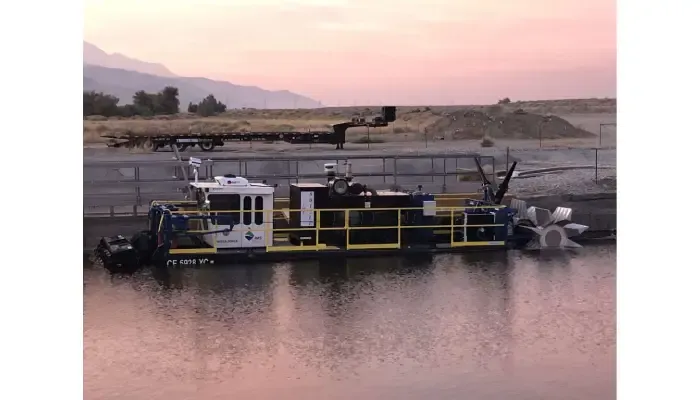
Choosing the right lake dredge involves several important factors. First, it’s key to understand what lake dredging is all about: removing excess sediment and pollutants to maintain water quality and habitat health. Next, think about the type of sediment, you will need different types of equipment for soft or hard materials. The size and depth of the lake also play a role in finding suitable machinery for your project. Additionally, consider your goals, whether you seek to restore habitats or improve water clarity. Always account for environmental impacts and community involvement along with costs. This approach ensures effective restoration efforts that benefit everyone involved.
1. Understanding Lake Dredging
Lake dredge is essential for keeping water depth and quality in check. Over time, sediment builds up at the bottom of lakes, consisting of sand, silt, clay, and organic materials. This accumulation can lead to various issues, including degraded habitats for fish and other aquatic life, as well as reduced water clarity. Dredging helps to restore these habitats by improving water flow and clarity, which is crucial for the overall health of the ecosystem.
There are different techniques for dredging, such as suction, which uses powerful pumps to pull sediment up, mechanical removal with equipment like clamshell buckets, and hydraulic processes that move sediment through pipes. When planning any dredging operation, it is important to understand the lake’s ecosystem to avoid causing unnecessary disruption. Additionally, dredging can play a role in flood prevention by increasing the lake’s capacity to hold water, especially during heavy rainfall.
While dredging can significantly benefit the environment, it is also vital to manage pollutants that may be contained within the sediment. Regular dredging schedules can help prevent major ecological problems and avoid the need for costly repairs in the future. The timing of dredging projects often aligns with seasonal wildlife patterns and fluctuating water levels, ensuring that the operations are carried out with minimal impact on local fauna.

2. Key Factors for Choosing a Dredge
When selecting the right lake dredge, several key factors should guide your decision-making process. First, assess the type of sediment in the lake. Different dredging methods are suited for various sediment types; for instance, soft and loose materials can be effectively removed with suction dredgers, while compact or rocky sediments may require cutter dredgers.
Next, consider the environmental impact of dredging. Engage in an environmental impact assessment to understand how your activities might affect local ecosystems, ensuring you comply with regulations and protect aquatic life.
Budget constraints are another crucial factor. Evaluate all costs associated with the dredging project, including equipment, operation, and disposal of dredged materials, to ensure you stay within your financial limits.
Access to the lake is also important. Determine how easily dredging equipment can reach the site, as this can influence your choice of dredge.
Additionally, familiarize yourself with local regulations regarding dredging activities. Obtaining the necessary permits is essential to avoid legal complications later on.
3. Types of Dredges Explained
Different types of dredges serve distinct purposes, making it essential to select the right one for your project. Mechanical dredges, like clamshells and bucket dredges, are excellent for precision work in small to medium lakes. They physically scoop out sediment, which is useful when targeting specific areas or types of debris. On the other hand, hydraulic dredges are designed for larger lakes that have significant sediment buildup. They use suction to remove sediment and transport it through pipelines, making them efficient for large-scale operations.
Cutter suction dredges are another specialized option, effective in loosening and removing compacted materials quickly. This type is ideal for areas where the sediment is dense or rocky. Auger dredges stand out in challenging environments, such as shallow areas or those with difficult access, where traditional dredges might not perform well.
For projects with a focus on environmental protection, environmental dredges help minimize the impact on aquatic life during operation. Dredging barges offer mobility, making them suitable for extensive projects that require moving equipment across large distances. Additionally, some dredges can be customized for unique sediment conditions, ensuring that you have the best tools for the job. Understanding the strengths and limitations of each dredge type can lead to better project outcomes, both in efficiency and environmental compliance.
4. Environmental Impact Assessment
Before undertaking any dredging project, it is essential to identify and assess the potential impacts on local wildlife and habitats. This involves evaluating water quality both before and after dredging to track improvements or address concerns that may arise. Engaging with environmental experts can provide thorough assessments, ensuring that all aspects of the ecosystem are considered. The effects of noise, disruption, and the disposal of materials must also be taken into account, as these factors can significantly impact surrounding ecosystems. Obtaining the necessary permits from local and federal agencies is crucial to ensure compliance with environmental regulations. Throughout the dredging process, monitoring is vital to mitigate any unforeseen environmental impacts that may occur. Implementing strategies to reduce sediment resuspension can further protect water quality and aquatic life. Additionally, planning for post-dredging restoration is key to support ecological recovery, helping to restore habitats for wildlife. Documenting all findings not only provides transparency but also fosters accountability in the dredging process.
- Identify and assess potential impacts on local wildlife and habitats before dredging.
- Evaluate water quality before and after dredging to track improvements or concerns.
- Engage with environmental experts to conduct thorough assessments.
- Consider the effects of noise, disruption, and material disposal on ecosystems.
- Obtain necessary permits from local and federal agencies to ensure compliance.
- Monitor the dredging process to mitigate any unforeseen environmental impacts.
- Implement strategies to reduce sediment resuspension during dredging operations.
- Plan for post-dredging restoration of the area to support ecological recovery.
- Document all findings to provide transparency and accountability.
5. Budgeting for Dredging Projects
Creating a detailed budget for dredging projects is essential. Start by including all potential costs, such as equipment, labor, and operational expenses. Don’t forget to factor in costs for environmental assessments and necessary permits, as these can add to your overall spending. Additionally, consider disposal fees for dredged materials, which can vary widely based on local regulations and the type of materials being removed.
It’s wise to explore funding options like grants or loans that might help offset costs. Partnerships with local organizations can also provide financial relief. When developing your budget, keep long-term maintenance costs in mind, as ongoing care for the dredged area will be necessary to maintain its health and usability.
Planning for unexpected expenses is another key aspect, so include a contingency fund in your budget to cover unforeseen issues that may arise during the project. As you evaluate the cost-benefit ratio, consider the potential ecological restoration benefits that dredging may bring, as these can sometimes justify the initial investment.
Research local market rates for dredging services to ensure that you are securing competitive pricing. Analyzing past projects can provide valuable insights into realistic budgeting expectations, helping you make informed decisions and avoid surprises.
6. Involving the Community in Dredging
Involving the community in dredging projects is essential for ensuring that the plans meet local needs and gain public support. Hosting community meetings allows residents to discuss dredging plans and provide their input, which can help address concerns right from the start. It’s important to share clear information about the project’s goals and expected outcomes, so everyone understands the reasons behind the dredging. Incorporating community feedback can further align the project with local priorities, making it more effective and accepted.
Developing educational materials can also help raise awareness about the dredging process, explaining its benefits and addressing common misconceptions. Engaging local environmental groups not only brings valuable expertise but also fosters a sense of collaboration and trust within the community. Visual aids can be particularly helpful in illustrating the positive impacts of dredging, making it easier for residents to grasp the project’s significance.
Establishing a communication plan is crucial for keeping the community informed throughout the project, allowing for transparency and ongoing dialogue. Encouraging volunteer opportunities lets community members participate directly in restoration efforts, which can strengthen their connection to the lake and the overall project. Building partnerships with local organizations can promote sustained collaboration, ensuring that the dredging initiative aligns with broader environmental and community goals.
7. Selecting the Right Equipment
Choosing the right dredging equipment is crucial for the success of your lake project. Start by identifying the volume and type of material to be dredged: soft, loose sediments often require suction dredgers, while compact materials may need cutter dredgers. The depth of the lake and the distance to the disposal site also play a significant role in equipment selection. For instance, if the lake is deep and far from the disposal area, a hydraulic dredge might be more appropriate due to its efficiency in transporting larger volumes over greater distances.
It’s essential to evaluate the operational costs associated with different dredging equipment, including maintenance and fuel expenses. Consulting with equipment manufacturers can provide tailored recommendations that fit your project’s specific needs. They can also help you assess the availability of spare parts and support, which is vital for minimizing downtime.
When comparing different dredging methods, consider their efficiency and productivity. Mechanical dredges might work well for smaller projects, while hydraulic ones are better for large-scale operations. It’s also wise to review past projects similar to yours to inform your decision. Finally, ensure that safety features are incorporated into all equipment to protect operators and the environment. Proper planning for maintenance and operator training will further maximize the efficiency of your dredging operation.
8. Planning Your Dredging Project
A successful dredging project starts with a solid plan. Begin by outlining all phases of the dredging process, from initial assessments to final restoration. It’s crucial to set a clear timeline, breaking it down into milestones to keep the project on track. Selecting experienced contractors is equally important; their proven track record in dredging can help avoid common pitfalls.
Anticipate potential challenges that may arise during the project, such as adverse weather conditions or unexpected sediment types, and create contingency plans to deal with them. Incorporating community feedback can also shape your project timeline and objectives, ensuring that local interests are considered. Environmental considerations should be integrated early in the planning to comply with regulations and protect local ecosystems.
Additionally, establish a monitoring plan to track both progress and compliance throughout the project. This not only helps in making real-time adjustments but also ensures accountability. As dredging activities can be influenced by seasonal variations, be prepared to adapt your schedule accordingly. Finally, document every phase of the project for future reference and to facilitate accountability among stakeholders.
9. Long-term Benefits of Dredging
Dredging offers numerous long-term benefits that extend beyond immediate water quality improvements. For starters, it significantly enhances recreational opportunities such as boating and fishing, which can attract more visitors to the area. Improved water quality supports diverse aquatic species and creates healthier habitats, fostering a rich ecosystem. Regular dredging also plays a crucial role in flood prevention by maintaining optimal lake depth, which helps manage stormwater runoff. Furthermore, healthy lakes can boost property values and stimulate tourism, providing economic benefits to local communities. Aesthetic enhancements resulting from dredging improve the usability of lakes, making them more inviting for residents and visitors alike. Restored lakes often lead to increased community engagement and stewardship, as residents take pride in their natural surroundings. Long-term monitoring of dredged areas can yield valuable data for future environmental projects, promoting ongoing collaborations for lake health initiatives. Overall, the long-term benefits of dredging contribute to sustainable lake ecosystems, ensuring that these vital resources continue to thrive for generations to come.

Blake Frank is a marketer and tech enthusiast based in Idaho. With over 9 years of experience in the digital marketing industry, he has gained a wide range of knowledge and skills such as SEO, web design, and digital analytics. Blake is passionate about providing insights into how technology and marketing intersect to create successful marketing strategies. In his free time, he enjoys mountain biking and exploring the great outdoors.