

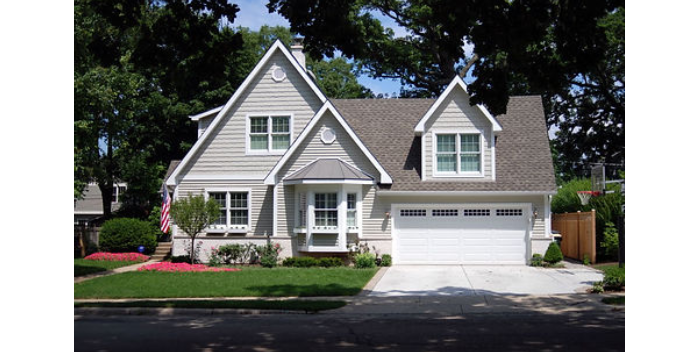
Florida’s breathtaking coastline, sunny skies, and vibrant communities make it one of the most desirable places to live in the United States. However, Florida homeowners are no strangers to the destructive power of hurricanes, tropical storms, and severe weather. When a storm causes significant property loss, the process of rebuilding can be emotionally and financially draining. Choosing the right home design after such an event is critical—not just for aesthetics, but for safety, resilience, and long-term value.
In this guide, we’ll explore how to choose the right Florida home designs after a storm loss, considering everything from building codes and materials to architectural styles and sustainability.
1. Understand Florida Building Codes And Insurance Requirements
Before selecting a home design, familiarize yourself with Florida’s building codes, especially those updated after major hurricanes like Andrew (1992), Irma (2017), and Ian (2022). These regulations are among the strictest in the U.S. and are designed to minimize wind damage and flood risk.
Key points to consider:
- Wind load requirements: Homes must withstand wind speeds up to 180 mph in certain areas.
- Impact-resistant windows and doors: Required in high-velocity hurricane zones (HVHZs).
- Flood elevation standards: In flood-prone areas, homes must be built at or above base flood elevation.
Also, consult your homeowners insurance provider. Some designs or materials may qualify you for premium discounts under Florida’s “wind mitigation” inspection system.
2. Assess Your Lot And Location
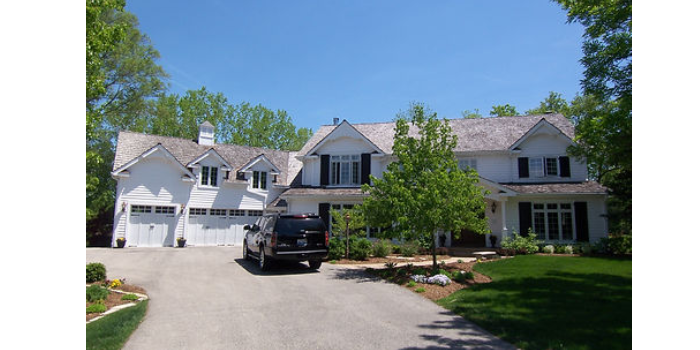
Your location in Florida heavily influences the design decisions you’ll make. Coastal properties, for instance, face different risks than inland homes.
Factors to evaluate:
- Proximity to the coast or floodplains
- Soil type and drainage capacity
- Lot elevation and potential for storm surge
- Orientation for wind direction and sun exposure
Hiring a surveyor or structural engineer to assess your lot post-storm is a smart move. They can help you understand the limits and opportunities of the site before committing to a design.
3. Prioritize Resilient And Storm-Ready Florida Home Designs
When rebuilding after a storm, resilience should be at the heart of your design plan. Modern Florida home designs often integrate features that are both storm-resistant and energy-efficient.
Recommended design features:
- Reinforced concrete walls or concrete block construction (CBS): More durable than wood frames.
- Hip roofs over gable roofs: Aerodynamic and less prone to wind uplift.
- Metal roofing: Offers better wind and fire resistance than shingles.
- Elevated foundations: Especially important in flood zones.
- Smart drainage and landscaping: Incorporate rain gardens or swales to reduce runoff.
These features not only improve your home’s storm resilience but can also reduce maintenance and insurance costs over time.
4. Choose An Architectural Style That Suits The Climate
Florida is home to a wide array of architectural styles, but some are better suited to the state’s climate and storm challenges.
Popular Florida home designs that balance beauty and functionality:
- Florida Vernacular: Characterized by wide porches, metal roofs, and raised foundations. Designed for cross-ventilation and rain runoff.
- Key West Style: Features pastel exteriors, louvered shutters, and open floor plans. This style is both hurricane-aware and aesthetically tropical.
- Mediterranean Revival: Includes stucco exteriors, tile roofs, and arched windows. Stylish but may require reinforcement for storm protection.
- Modern Coastal: Blends minimalism with functionality—large windows, elevated living spaces, and sustainable materials.
Your choice should balance personal taste with structural advantages. Work with an architect who understands Florida’s unique challenges and has experience in hurricane-prone areas.
5. Think Long-Term: Energy Efficiency And Sustainability
Rebuilding your home offers a unique chance to invest in green building practices. Florida’s warm climate and year-round sunshine make it an ideal place to incorporate energy-efficient solutions.
Smart sustainability upgrades:
- Solar panels: Lower electric bills and may be eligible for tax incentives.
- Insulated concrete forms (ICFs): Offer superior insulation and storm resistance.
- Cool roofing materials: Reflect sunlight and reduce cooling costs.
- Energy-efficient HVAC systems and appliances
- Low-E windows and smart thermostats
Florida also promotes green certifications like Florida Green Building Coalition (FGBC) and LEED. These programs ensure your home is built with environmental responsibility in mind.
6. Partner With The Right Professionals
Rebuilding after a storm requires a strong team of professionals who are not only skilled but familiar with local regulations and best practices.
Essential team members:
- Architect or home designer: Specializes in Florida home designs.
- Structural engineer: Ensures designs are safe and code-compliant.
- General contractor: Manages construction, permitting, and inspections.
- Insurance adjuster: Helps you maximize your claim.
- Interior designer (optional): Adds functionality and beauty to your new space.
Always verify licenses and references, and look for professionals who have experience with storm recovery and reconstruction projects in Florida.
7. Personalize For Comfort, Function, And Resilience
A storm loss can be an opportunity to design a home that fits your family’s lifestyle better than ever. Modern Florida home designs can blend resilience with comfort and style.
Customization ideas:
- Open-concept layouts to promote airflow and natural light
- Safe rooms or fortified spaces for extreme weather
- Multipurpose rooms that adapt to work-from-home needs
- Outdoor living spaces with storm-rated screens or shutters
- Smart home integration to monitor security, temperature, and weather alerts
These features help future-proof your home against both climate and lifestyle changes.
Conclusion
Choosing the right home design after a Florida storm loss involves much more than picking floor plans and paint colors. It’s about rebuilding your life with a structure that can stand strong in the face of future storms while reflecting your personal tastes and priorities.
By focusing on Florida home designs that emphasize resilience, sustainability, and adaptability, you’re not just creating a place to live—you’re building peace of mind. Partner with experienced professionals, educate yourself on local codes, and prioritize long-term value to ensure that your next home is stronger and smarter than the one before.
Resource URL:
https://www.aklarch.com/florida-rebuild
https://en.wikipedia.org/wiki/Housing_in_Florida

Blake Frank is a marketer and tech enthusiast based in Idaho. With over 9 years of experience in the digital marketing industry, he has gained a wide range of knowledge and skills such as SEO, web design, and digital analytics. Blake is passionate about providing insights into how technology and marketing intersect to create successful marketing strategies. In his free time, he enjoys mountain biking and exploring the great outdoors.