

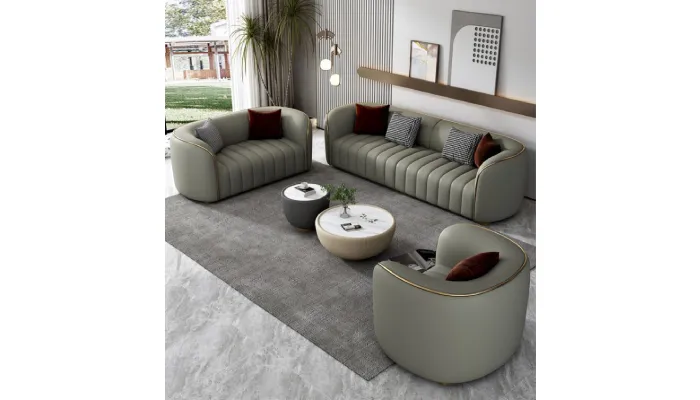
Choosing rental furniture for your home starts with figuring out what you really need. Are you furnishing a whole apartment, just one room, or maybe a temporary event? Knowing this helps cut down on unnecessary pieces. Measure your space carefully, including doorways and ceiling height, so everything fits comfortably without crowding. Set a realistic budget before browsing since prices can vary depending on quality and rental length. Pick styles that blend well with your existing decor, neutral colors often work best. Also, it’s smart to check the furniture’s durability and comfort by testing key items like sofas or beds before renting them.
Determine Your Furniture Needs and Usage Duration
Start by clearly identifying why you need rental furniture. Are you furnishing an entire apartment, just one room like the living room or bedroom, or is it for a short-term event? Knowing the exact purpose helps you focus on what pieces are essential. Next, decide how long you’ll need the furniture. Short-term rentals, such as a few months, might favor lightweight or modular items that are easy to move, while long-term rentals call for more durable, comfortable pieces that can handle daily use. Consider who will be using the furniture every day, more users mean you’ll want sturdier, possibly larger furniture to accommodate everyone comfortably. Think about the activities you plan to do: working from home may require a desk and ergonomic chair, while frequent entertaining calls for ample seating and a dining table. Make a list of must-have items first, like a bed or sofa, then add optional pieces if your space and budget allow, avoiding over-ordering. Also, factor in any special needs: pet-friendly fabrics, child-safe designs, or allergy-resistant materials can make a big difference in comfort and maintenance. If you expect to move often, prioritize lightweight or modular furniture that’s easy to disassemble and transport. Finally, plan seating and sleeping arrangements according to the number of roommates or guests you anticipate. Don’t forget storage solutions to keep your space tidy, modular shelves or storage ottomans can help. Your lifestyle habits, like hosting frequently or having hobbies that require specific furniture, should also guide your choices to ensure your rental furniture supports your everyday life.

Measure Your Space for Proper Furniture Fit
Accurately measuring your space is key to choosing rental furniture that fits well and feels comfortable. Start by measuring the length, width, and height of each room using a tape measure or a laser device for precision. Don’t forget to include doorways, hallways, and staircases in your measurements to ensure the furniture can be moved in without any issues. Sketch a simple floor plan marking windows, electrical outlets, radiators, and vents to avoid blocking them with furniture. Keep in mind that walkways around furniture should generally be at least 24 to 30 inches wide for easy movement. Also, check ceiling heights, especially if you plan to rent tall pieces or hanging items like lamps and shelves. Using painter’s tape to outline where furniture might go on the floor can help you visualize the layout and spacing before making a decision. Allow enough room for doors, drawers, and cabinets to open freely without obstruction. If you’re renting furniture for outdoor spaces such as balconies, measure those areas too. Be mindful of built-in features like fireplaces or alcoves that limit where larger pieces can fit. Lastly, consider any future changes you might want to make to your layout so your rental furniture can adapt without crowding your space.
Set a Realistic Budget for Rental Furniture
Before you start browsing rental furniture options, set a clear monthly or total budget to guide your choices. Rental prices vary widely depending on the type, brand, and quality of furniture, so comparing costs upfront helps you understand what fits your financial plan. Remember to include extra expenses like delivery, setup, insurance, and any potential damage fees, as these can add up quickly. Look for package deals or bundles that provide better value than renting pieces individually, which can save you money and simplify the process. If you plan to keep the furniture longer than the typical rental period, consider rent-to-own plans as a cost-effective alternative. Also, factor in any deposits or upfront payments required by the rental company, along with possible price increases or fees if you extend your rental. While keeping costs in check is important, avoid choosing low-quality furniture just to save money, as frequent replacements can end up costing more. Check whether the company offers discounts for longer rentals or multiple items, and set aside a portion of your budget for accessories like rugs, lamps, or cushions to complete the look and make your space feel homey.
Choose a Style That Matches Your Home Decor
Start by identifying your preferred interior design style, whether it’s modern, traditional, industrial, or Scandinavian. This helps narrow down your furniture choices and ensures the pieces feel cohesive with your existing decor. Pay attention to colors that complement your wall paint, flooring, and other decor items. Neutral tones and classic designs are smart picks since they remain versatile and can adapt easily if you move or change your space later. Consider the size and scale of each piece relative to your room to avoid overcrowding or awkward gaps. Mixing materials like wood, metal, and fabric adds texture and visual interest without overwhelming the space. Avoid overly trendy furniture that might quickly look outdated or clash with your style, especially if you want the rental to last multiple stays. If you’re renting a furnished place, try to select styles that blend well with the landlord’s existing furniture for a seamless look. Accent pieces or statement furniture can inject personality without dominating the room. Also, choose finishes and fabrics that are easy to clean and maintain daily. Finally, balance aesthetics with comfort and function to create a space that’s both inviting and practical.
Check Furniture Quality, Durability, and Comfort
When choosing rental furniture, start by examining the frame materials. Hardwood and metal frames offer better longevity compared to particle board, which tends to break down quickly. For upholstered pieces like sofas and chairs, check the fabric’s durability rating and stain resistance to ensure it can handle daily use. Comfort is equally important, take the time to sit and recline on seating options to evaluate cushioning and support. Look closely at joints and hardware; reinforced connections add strength to items that will see frequent use. Avoid any furniture showing visible wear, damage, or weak construction, especially if renting used pieces. Opt for items with removable, washable covers to make cleaning easier. If you’re renting beds, verify that mattresses meet comfort and hygiene standards for a good night’s rest. Safety matters too, choose furniture with smooth finishes and no sharp edges to prevent injuries and extend the piece’s lifespan. Also, consider the weight capacity of each item to ensure it fits your needs. Finally, ask the rental company about warranty and repair services to protect your investment during the rental period.
Select Functional and Versatile Furniture Pieces
When choosing rental furniture for your home, focus on functionality and versatility to make the most of your space and budget. Multi-purpose items like sofa beds, storage ottomans, or extendable dining tables provide flexibility, serving different needs without crowding your rooms. Modular sofas or sectional pieces are great because they can be rearranged to fit various layouts, especially if you expect to move or change your space. Foldable or nesting furniture is another smart choice; these pieces save space when not in use and are easy to store away. Prioritize furniture with built-in storage compartments to keep clutter at bay, such as benches that double as storage or desks that convert into dining tables. Lightweight furniture makes it easier to relocate or reconfigure rooms as needed, while stackable chairs offer extra seating without taking up floor space. Avoid bulky pieces that limit flexibility, particularly in smaller or shared spaces. Also, choose surfaces that are easy to clean and maintain, which is practical for busy households. By selecting versatile and functional furniture, you ensure your rental setup adapts well to your lifestyle and space constraints.
Review Rental Agreement Terms Carefully
Before finalizing your rental furniture, read the entire rental agreement thoroughly. Pay close attention to the rental period, including start and end dates, to ensure they align with your plans. Understand all payment terms such as deposit amounts, payment schedules, and any late fees that might apply. Check the policies regarding damages, loss, or repairs during the rental period to avoid unexpected charges. Note cancellation terms carefully, especially any penalties for ending the rental early. Clarify who is responsible for maintenance, cleaning, and repairs, some companies handle these services, while others expect the renter to manage them. Confirm delivery and pickup details, including schedules and any fees tied to these services. Look for clauses that address furniture upgrades, exchanges, or extensions, which can offer flexibility if your needs change. Review insurance or liability coverage options to protect yourself in case of accidents or damage. Also, check for any restrictions on furniture use, such as prohibitions on outdoor placement or weight limits. Finally, keep a copy of the signed agreement and all receipts for your records; they’ll be important if any disputes arise or for future reference.
Consider Delivery and Setup Service Options
Before renting furniture, confirm whether the company offers delivery and pickup services and what costs are involved. Delivery can save time and effort, especially if you’re dealing with heavy or complex items. Ask if setup services are included or available for an additional fee; this is important for items like beds or large tables that may require assembly. Schedule delivery for a time that works with your availability to avoid missed appointments or delays. Make sure the delivery team can easily access your building, including parking options and elevator availability, to prevent last-minute issues. If setup is your responsibility, check whether the company provides assembly tools or clear instructions. Also, find out if the delivery crew will remove packaging materials after setting up the furniture, which can save cleanup time. Ask about timing and fees for furniture pickup once your rental period ends to plan accordingly. When the furniture arrives, request confirmation of its condition and an inventory checklist to avoid disputes later. If you need furniture quickly, see if the company offers same-day or expedited delivery options. Finally, check if there is flexibility to reschedule delivery or pickup without penalties, which can be helpful if your plans change unexpectedly.
Frequently Asked Questions
1. What factors should I consider to match rental furniture with my home’s style?
Look at your home’s overall design, color palette, and the look you want to create. Choose furniture that complements existing pieces and fits the vibe, whether it’s modern, traditional, or casual.
2. How do I determine the right size and scale of rental furniture for my rooms?
Measure your rooms carefully, including doorways and hallways, to make sure the furniture fits well and leaves enough space to move around comfortably. Avoid pieces that are too bulky or too small for the space.
3. What types of rental furniture materials work best for everyday use at home?
Focus on durability and comfort. Look for materials that hold up well, like sturdy wood, metal frames, or high-quality fabrics that resist stains and wear, especially if you have kids or pets.
4. How can I ensure rental furniture meets my comfort needs?
Test the furniture if possible before renting. Look for supportive seating and mattresses that suit your preferences. Reading reviews or asking the rental company about comfort features can also help.
5. What should I know about matching rental furniture pieces for a consistent look?
Try to pick items from the same collection or with similar design elements, colors, and finishes. This helps create a cohesive and polished appearance throughout your space, avoiding a mismatched feel.
TL;DR Choosing rental furniture for your home means figuring out what you really need, how long you’ll use it, and making sure it fits your space well. Set a budget, pick styles that match your decor, and prioritize comfort and durability. Look for versatile furniture that saves space and read rental agreements carefully to avoid surprises. Check delivery and setup options, read customer reviews, and choose flexible rental plans if your situation might change. Also, be sure to understand any lease restrictions before renting. Following these steps helps ensure your rented furniture looks good, works well, and suits your lifestyle.

Blake Frank is a marketer and tech enthusiast based in Idaho. With over 9 years of experience in the digital marketing industry, he has gained a wide range of knowledge and skills such as SEO, web design, and digital analytics. Blake is passionate about providing insights into how technology and marketing intersect to create successful marketing strategies. In his free time, he enjoys mountain biking and exploring the great outdoors.