

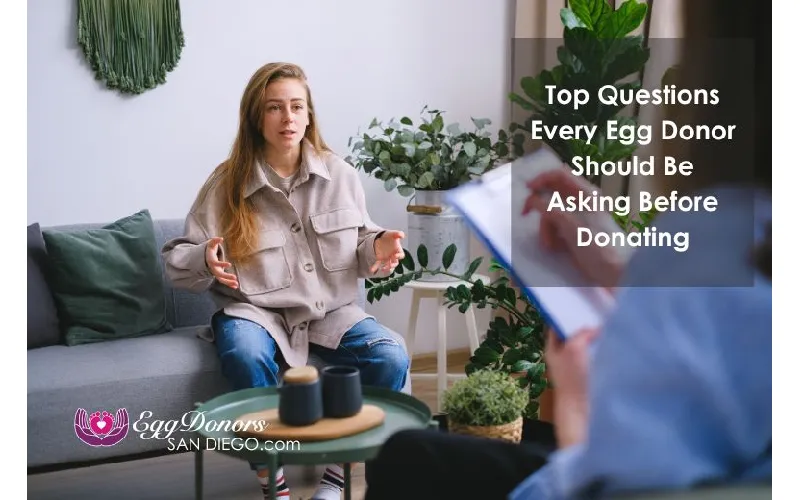
Becoming an egg donor in San Diego involves several steps and specific criteria. Usually, candidates are between 20 and 30 years old, in good health, with a healthy BMI and no history of smoking or significant medical conditions. The process starts with completing an online application followed by a detailed secondary form including medical history and photos. After a phone interview, donors undergo thorough medical and psychological screenings to ensure suitability. If accepted, donors enter a database while awaiting selection. The donation cycle takes around three months involving hormone injections, monitoring, and egg retrieval under sedation. Compensation varies but typically starts at about $8,000 per cycle.
Eligibility Criteria for Egg Donors in San Diego
To become an egg donor in San Diego, candidates must meet several important eligibility requirements to ensure the safety and success of the donation process. Generally, donors are aged between 20 and 30 years, although some agencies narrow this range to 21-28 years. Good overall health is crucial, with a healthy body mass index (BMI) typically under 30 and weight often required to be below 180 pounds at certain centres. Prospective donors must be non-smokers with no history of drug or substance abuse. A clear family and personal medical history free from significant genetic disorders or hereditary diseases is essential to minimise risks for both donor and recipient. Psychological stability is also assessed carefully, as the process can be emotionally demanding. Donors should have no major fertility issues and be free from recent serious medical conditions or surgeries. Commitment is key: donors must be willing to dedicate time to attend all required clinic appointments, follow medical instructions precisely, and be available throughout the donation cycle. This combination of health, lifestyle, and personal readiness helps ensure a smooth experience for all involved.

The Egg Donor Application Process Explained
Becoming an egg donor in San Diego begins with completing an initial online application that gathers basic personal details and preliminary health information. This first step helps fertility clinics determine if you meet the basic criteria to proceed. If successful, you will be asked to submit a secondary, more detailed application that covers your medical and family history comprehensively. This stage also includes providing recent photographs and answering essay questions about your motivation to donate and your lifestyle, which help create your donor profile for intended parents.
Following the applications, a 15 to 20-minute phone interview is conducted to review your submitted information and clarify the next steps. This conversation also offers an opportunity to ask questions and understand the process more clearly. Once the application is approved, you will be scheduled for a thorough medical screening. This involves a physical examination, an ultrasound to count ovarian follicles, and blood tests to check hormone levels, including Anti-Mullerian Hormone (AMH), which indicates ovarian reserve.
In addition to hormone testing, infectious disease screening is mandatory to safeguard the health of both donor and recipient. Genetic carrier screening is performed to detect any inheritable conditions that could be passed on. All these steps ensure that donors meet strict medical and psychological criteria, maintaining safety and success rates. Upon completion of these screenings, donors are either accepted into the programme or provided with feedback if further review is needed. This structured process typically takes around two weeks from initial application to acceptance, setting the foundation for a responsible and supportive egg donation journey in San Diego.
- Initial step involves completing an online application with basic personal and health information.
- Secondary application requests detailed medical and family history, including photos for the donor profile.
- Applicants answer essay questions describing motivation and lifestyle.
- A 15-20 minute phone interview reviews application details and explains next steps.
- Medical screening is scheduled following application review.
- Screening includes physical examination, ultrasound for ovarian follicles, and blood tests.
- Blood tests measure hormone levels, including Anti-Mullerian Hormone (AMH).
- Infectious disease screening is mandatory to ensure safety.
- Genetic carrier screening checks for inheritable conditions.
- Completion of all steps leads to acceptance or feedback for further review.
Medical Screening and Donor Selection
Before becoming an egg donor in San Diego, candidates undergo a thorough medical screening to ensure their suitability. This begins with a comprehensive health evaluation which includes a physical examination to check general health and identify any contraindications. Blood work is conducted to assess hormone levels, screen for infectious diseases, and evaluate overall wellness. An ultrasound is performed to measure ovarian reserve by counting follicles, which indicates fertility potential. Genetic screening plays a crucial role in excluding donors who carry serious inheritable conditions, thereby safeguarding the health of future offspring. Additionally, a detailed review of medical records and family history helps identify any potential risks or hereditary issues. Psychological assessment is also required to evaluate emotional readiness and mental health, ensuring donors can cope with the demands of the process. Reproductive history is reviewed to confirm there are no significant fertility problems. Once all evaluations are complete and the donor meets the criteria, she is added to the active donor database. From there, selection depends on recipient preferences and donor availability, making this stage vital for matching donors with intended parents.
Timeline from Application to Donation
The journey to becoming an egg donor in San Diego typically spans about three months from the initial application to the actual egg retrieval. The process begins with an application review and initial screening, which usually takes around two weeks. Once you pass this stage, your profile becomes active in the donor database, where you may wait anywhere from one week to several months until you are selected by intended parents. After selection, you will complete legal agreements and undergo final medical checks to confirm your readiness. The next phase involves ovarian stimulation, where you self-administer hormone injections for approximately 10 to 14 days. During this time, frequent clinic visits for ultrasounds and blood tests monitor your response and follicle development. When your follicles reach the appropriate size, the egg retrieval is scheduled. Donors receive clear timelines and appointment schedules throughout, helping them manage the process smoothly. Recovery after egg retrieval is generally quick with minimal downtime, and post-donation follow-ups ensure your health and well-being are maintained. This structured timeline supports donors every step of the way, balancing thorough medical care with a manageable commitment.
Overview of the Egg Donation Procedure
The egg donation process in San Diego starts with ovarian stimulation, where donors self-administer hormone injections to encourage the ovaries to produce multiple eggs. Throughout this phase, donors attend regular clinic appointments for ultrasound scans to monitor follicle development and blood tests to check hormone levels, allowing doctors to adjust medication if necessary. When the follicles reach the appropriate size, the egg retrieval is scheduled. This procedure takes place in a clinical setting under sedation to ensure comfort. Using ultrasound guidance, a needle is carefully inserted into the ovaries to collect the mature eggs. After the retrieval, donors may experience mild to moderate cramping or discomfort, but most can return to their usual activities within a day or two. Medical staff provide clear aftercare instructions and remain available for support throughout recovery. Before starting, all potential risks and side effects are thoroughly explained to ensure donors are fully informed and comfortable with the process.
Compensation Details for Egg Donors
Compensation for egg donors in San Diego typically starts at around £8,000 for the first donation cycle. Some clinics may offer higher payments for subsequent cycles, recognising the donor’s continued commitment and experience. At the upper end, compensation can reach £20,000 or more per cycle at certain fertility centres. Donors are generally allowed to donate up to six times, depending on their health and the policies of the clinic. All medical, legal, and screening costs are covered by the intended parents, so donors do not have to worry about any out-of-pocket expenses related to the process. Payments are usually made on the day of egg retrieval to acknowledge the time, medical procedures, and any discomfort involved. In addition to the base compensation, some clinics provide extra reimbursement for travel expenses or lost wages, helping to ease any financial burden during the donation period. Since payment schedules and processes can vary between clinics, donors receive clear and detailed financial information before starting, ensuring transparency and understanding from the outset.
Legal and Confidentiality Aspects
Before beginning the egg donation process in San Diego, donors are required to sign legal contracts that clearly outline their rights and responsibilities. These agreements explicitly clarify parental rights, ensuring donors have no legal claim or obligation towards any resulting children. Most egg donation programmes maintain donor anonymity, meaning there is no direct contact or exchange of identifying information between the donor and the recipient. However, some clinics offer open or semi-open donation options, allowing for future contact if both parties agree. Donors have the right to access their medical screening results, which helps them keep informed about their health. Clinics take great care to protect donor confidentiality, strictly maintaining privacy according to relevant laws and internal policies. Consent forms detail how donor eggs and related medical data will be used, and donors are fully informed about the potential risk of future identification through commercial genetic testing services. Given the legal complexities, donors are encouraged to seek legal advice to fully understand their rights and obligations before proceeding.
Leading Fertility Clinics in San Diego
San Diego is home to two prominent fertility centres known for their comprehensive egg donor programmes: San Diego Fertility Center and the Fertility Institute of San Diego. San Diego Fertility Center operates several locations including San Diego, Carmel Valley, and Temecula, offering donors flexibility in choosing an accessible clinic. The Fertility Institute of San Diego is based in La Jolla and features an in-house donor programme that supports a wide range of family types, including LGBT+ individuals and couples. Both clinics maintain extensive databases of thoroughly screened donors, which are accessible to intended parents locally and internationally, ensuring a broad reach and diverse selection. Experienced medical teams at these centres provide detailed donor care and counselling, helping donors understand each step of the process and offering ongoing support before, during, and after donation. Application portals are clear and user-friendly, with dedicated staff available to answer queries and guide prospective donors through the process. These facilities employ up-to-date technology for medical screening and treatment, ensuring safety and effectiveness throughout. Both clinics are fully accredited and adhere strictly to state and national regulations, emphasising transparency around compensation, potential risks, and expected timelines. For example, San Diego Fertility Center’s multiple locations improve convenience for donors, while the Fertility Institute’s La Jolla base offers a welcoming environment with personalised care. Together, these clinics demonstrate San Diego’s commitment to ethical, inclusive, and well-supported egg donation services.
Ongoing Support and Donor Care
Throughout the egg donation process in San Diego, donors receive thorough and continuous medical monitoring to ensure their wellbeing. Clinics regularly schedule appointments for ultrasounds and blood tests to track the donor’s response to hormone stimulation, adjusting protocols as needed. Beyond physical health, emotional support is readily available, with counselling services offered to help donors manage any stress or concerns that arise during the cycle. Clear communication is maintained at all times; clinics provide guidance on medication administration and managing potential side effects, encouraging donors to report any unusual symptoms promptly. After the donation, follow-up appointments assess recovery and overall health, and donors can request access to their medical records and test results for personal reference. Many clinics also offer or recommend long-term health tracking to monitor any lasting effects. This comprehensive support system helps donors feel informed, cared for, and confident throughout their donation journey.
Frequently Asked Questions
1. What are the key health requirements to become an egg donor in San Diego?
To become an egg donor in San Diego, you must be in good physical and mental health, usually between the ages of 21 and 30. Clinics require a thorough medical history review, blood tests, and genetic screening to ensure you are free from certain hereditary conditions and infections.
2. How does the screening process for egg donors work in San Diego?
The screening process involves several stages including initial questionnaires, detailed medical and psychological assessments, blood tests, and sometimes an ultrasound. This ensures donors meet all health standards and are emotionally prepared for the donation procedure.
3. What lifestyle factors could affect my eligibility as an egg donor in San Diego?
Lifestyle habits such as smoking, heavy alcohol consumption, or drug use can disqualify potential donors. Maintaining a healthy lifestyle, including a balanced diet and regular exercise, is important to increase your chances of acceptance.
4. How long does the egg donation process take from start to finish in San Diego?
The entire process typically takes about 4 to 6 weeks. This includes initial screening, hormonal stimulation for ovarian response, egg retrieval, and a recovery period. Timing may vary slightly depending on individual circumstances and clinic protocols.
5. What can I expect during the hormonal treatment phase as an egg donor?
During hormonal treatment, you will self-administer injections to stimulate your ovaries to produce multiple eggs. You’ll have frequent clinical visits to monitor your response through blood tests and ultrasounds. The aim is to optimise egg development while minimising risks such as ovarian hyperstimulation.
TL;DR Becoming an egg donor in San Diego involves meeting specific eligibility criteria, including age, health, and lifestyle factors. The process starts with a multi-step application, followed by thorough medical and psychological screening. Once accepted, donors undergo ovarian stimulation and egg retrieval procedures over about three months. Compensation typically begins around £6,400 per cycle, with the possibility of multiple donations. Legal agreements ensure confidentiality, though donors should be aware of potential future identification risks. Leading clinics such as San Diego Fertility Center and Fertility Institute of San Diego provide ongoing support throughout. Interested applicants can contact these clinics directly via phone or online portals to begin the process.

Blake Frank is a marketer and tech enthusiast based in Idaho. With over 9 years of experience in the digital marketing industry, he has gained a wide range of knowledge and skills such as SEO, web design, and digital analytics. Blake is passionate about providing insights into how technology and marketing intersect to create successful marketing strategies. In his free time, he enjoys mountain biking and exploring the great outdoors.