
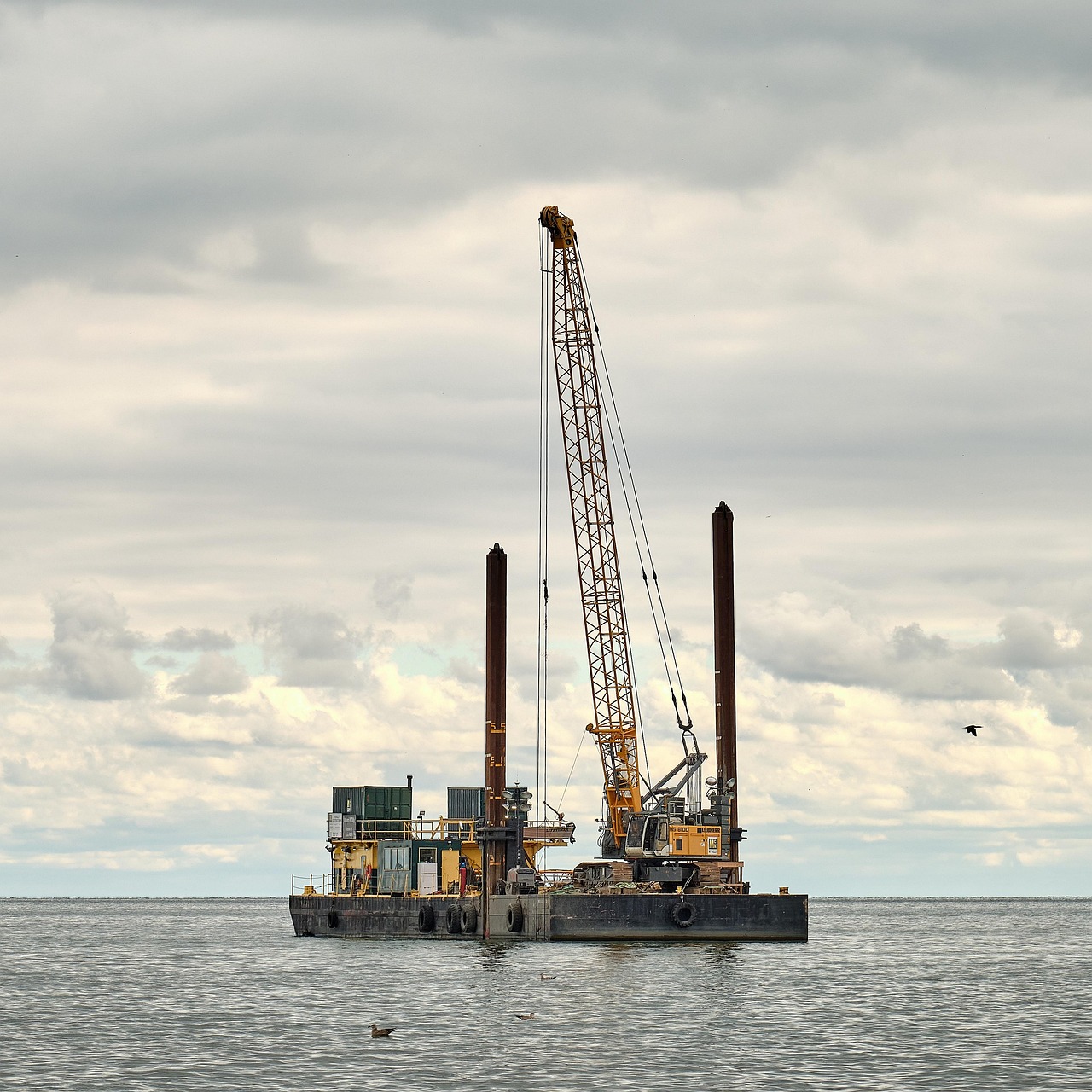
Dredging is a crucial process in maintaining navigable waterways, restoring shorelines, and supporting marine construction projects. Traditional dredging methods often involve stationary dredges that require additional tugboats or barges to move them, leading to inefficiencies and increased costs. However, the advent of self-propelled dredges has revolutionized the dredging industry by significantly enhancing operational efficiency, reducing downtime, and improving overall productivity.
This article explores how self-propelled dredges improve dredging efficiency, their key benefits, and their impact on different dredging projects.
What is a Self-Propelled Dredge?
A self-propelled dredge is a specialized dredging vessel equipped with its own propulsion system, allowing it to move independently without the need for external towing assistance. These dredges come in various forms, including trailing suction hopper dredges (TSHDs) and cutter suction dredges (CSDs), each designed for specific dredging tasks.
Unlike conventional stationary dredges that rely on external transport mechanisms, self-propelled dredges can move between dredging sites seamlessly, reducing delays and enhancing project efficiency.
Key Benefits of Self-Propelled Dredges
1. Enhanced Mobility and Flexibility
One of the most significant advantages of self-propelled dredges is their ability to move independently. This allows for:
- Quick deployment to different dredging locations
- Efficient repositioning during dredging operations
- Reduced reliance on additional vessels, lowering operational costs
For large-scale projects, mobility is crucial in ensuring continuous operations without unnecessary delays caused by transport logistics.
2. Increased Productivity and Reduced Downtime
Traditional dredging methods often suffer from delays due to the time-consuming process of relocating stationary dredges. Self-propelled dredges eliminate these inefficiencies by:
- Rapidly transitioning between dredging and material disposal sites
- Maintaining continuous dredging cycles without prolonged interruptions
- Enhancing the speed and efficiency of sediment removal
With fewer disruptions, self-propelled dredges ensure faster project completion, which is particularly beneficial for time-sensitive projects.
3. Improved Safety and Operational Control
Safety is a critical concern in dredging operations. Conventional dredges require multiple external vessels for movement, increasing risks associated with towing and maneuvering in challenging water conditions. Self-propelled dredges improve safety by:
- Reducing the need for external tugboats and supporting vessels
- Allowing operators to have full control over the vessel's movements
- Enhancing navigation in congested or environmentally sensitive areas
The ability to control dredging operations more efficiently translates to lower accident rates and better compliance with safety regulations.
4. Optimized Material Disposal and Transport
Many self-propelled dredges, such as TSHDs, are designed with onboard hoppers for collecting dredged material. This feature optimizes material handling by:
- Reducing dependency on barges for sediment transport
- Enabling direct disposal at designated offshore or onshore locations
- Minimizing double-handling of dredged material, which can increase project costs
With an integrated material management system, self-propelled dredges streamline the entire dredging process, from excavation to disposal.
5. Cost-Effectiveness in Large-Scale Projects
While the initial investment in self-propelled dredges may be higher than traditional dredges, their long-term cost savings are significant. They help reduce:
- Fuel and labor costs associated with external transport vessels
- Project completion times, leading to lower overall expenditures
- Maintenance costs due to advanced automation and efficiency features
For large-scale infrastructure projects, the return on investment (ROI) of self-propelled dredges makes them a cost-effective solution.
Applications of Self-Propelled Dredges
1. Port and Harbor Maintenance
Self-propelled dredges are commonly used for deepening and maintaining harbors, ensuring that shipping channels remain navigable for large vessels. Their ability to quickly remove accumulated sediments makes them ideal for port management.
2. Coastal Protection and Land Reclamation
In regions affected by coastal erosion, self-propelled dredges play a crucial role in replenishing beaches and restoring shorelines. Their mobility allows them to transport dredged sand efficiently to erosion-prone areas.
3. River and Canal Dredging
For inland waterways, self-propelled dredges help prevent flooding by clearing sediment buildup in rivers and canals. Their maneuverability makes them suitable for working in confined spaces where traditional dredges might struggle.
4. Offshore and Energy Sector
In offshore oil and gas exploration, dredging is necessary for pipeline installation and seabed preparation. Self-propelled dredges provide the flexibility needed for offshore operations without additional support vessels.
Environmental Considerations
Modern self-propelled dredges are equipped with advanced technologies to minimize environmental impact. Features such as precision dredging systems, real-time monitoring, and eco-friendly discharge mechanisms help reduce sediment disturbance and protect marine ecosystems.
Conclusion
The use of self-propelled dredges has transformed the dredging industry by enhancing efficiency, reducing costs, and improving safety. Their independent mobility, optimized material handling, and ability to operate in various environments make them a preferred choice for large-scale dredging projects.
As technology continues to advance, self-propelled dredges will play an even more critical role in ensuring sustainable and effective dredging operations worldwide. Investing in these innovative vessels is a strategic move for organizations looking to maximize dredging efficiency while minimizing operational challenges.