

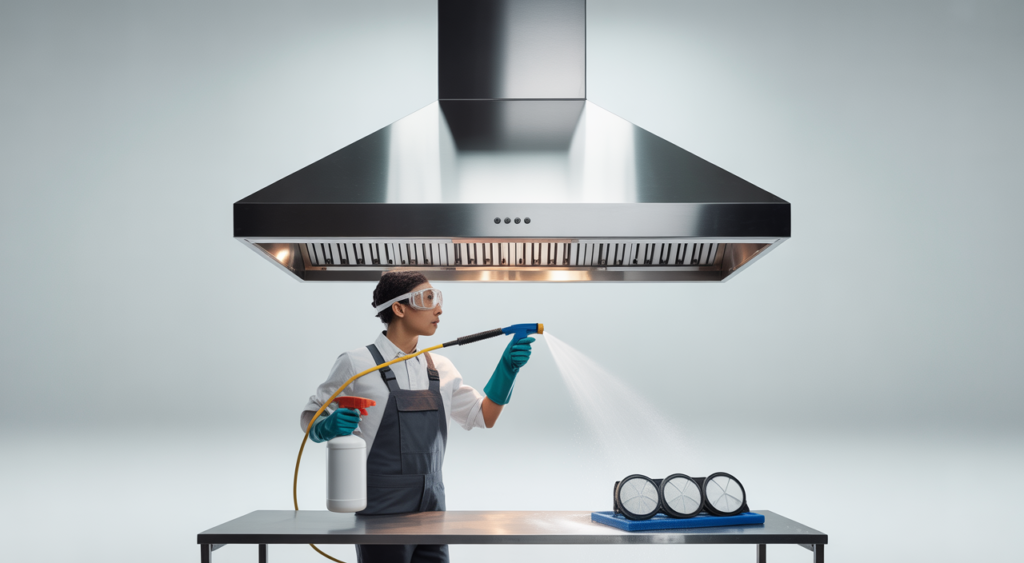
Question: Are you a restaurant owner or facility manager wondering how to keep your kitchen safe, compliant, and running without surprises? Professional kitchen hood cleaning services remove built-up grease, reduce fire risk, and improve airflow so your team can focus on food and service.

A clean hood and duct system is more than a checklist item. It protects staff, lowers insurance risk, and helps equipment last longer. For Indian investors and operators, predictable maintenance also protects revenue during peak seasons and keeps local fire inspectors satisfied.
Regular cleaning helps avoid grease fires and keeps exhaust systems efficient. Grease builds up in filters, hoods, ducts, and fans. Over time, it slows airflow, raises temperatures, and increases energy use.
Certified cleaners follow standards like NFPA-96, which is the widely used guideline for ventilation and fire protection in commercial cooking. Following such standards makes compliance easier and shows insurers you are managing risk responsibly.
What a professional cleaning looks like
Professional teams follow a clear, step-by-step process. First they inspect the system and document grease levels. Then they protect nearby surfaces and remove filters for thorough cleaning. Technicians clean the hood interior, fans, and ductwork using approved degreasers and high-pressure methods where needed.
Good companies take before-and-after photos and provide a service report. That report outlines work done, grease removed, and any parts that may need repair. Monthly or quarterly reporting helps you track trends and budget for replacements.
Transparent pricing and common service plans
Costs vary by hood size, duct length, and kitchen type. Here are typical ballpark ranges you can expect in India. These are examples to help planning ask for a site visit for an exact quote.
- Small hood (up to 4 ft): ₹3,000–₹7,000 per service.
- Medium hood (4–8 ft): ₹7,000–₹15,000 per service.
- Large hood (8+ ft) or multiple hoods: ₹15,000–₹30,000+ per service.
- Monthly reporting or maintenance plans usually add a fixed monthly fee and discounted per-visit pricing.
Many operators prefer tiered plans: quarterly cleanings for low-grease kitchens, monthly for heavy fry or tandoor operations. A clear contract with scheduled visits reduces surprise costs and keeps you audit-ready.
Monthly reporting: a simple way to show ongoing compliance
Ask for a monthly compliance report that includes the date of service, photos, grease build levels, and suggested next steps. This document helps during inspections and when renewing insurance.
Regulated reporting also helps you spot patterns. If grease levels rise quickly, you may need a workflow change in the kitchen. This small insight can save on cleaning fees and prevent downtime.
DIY vs professional cleaning helpful tips
Small, routine cleaning of filters and visible surfaces is useful. However, full duct and fan cleaning needs trained technicians, special tools, and safe chemical handling. Hiring certified professionals reduces risk and ensures your documentation meets inspection standards.
If you want to learn more about professional cleaning standards for other spaces, check this deep house cleaning guide. For comparison on choosing the right service provider, this pool cleaning guide offers useful selection tips that apply to hiring any maintenance partner.
Short case example for Indian kitchens
A mid-sized hotel in a busy city switched to a monthly plan and documented every visit. The results were noticeable: fewer fan breakdowns, lower kitchen temperature, and a smoother fire safety inspection. The owner reported lower long-term maintenance costs and improved kitchen uptime.
That outcome is typical when cleaning is regular, documented, and tied to a service plan that fits cooking volume.
Practical checklist before you hire
- Ask for NFPA-96 or equivalent compliance experience and certificates.
- Request before-and-after photos and a sample service report.
- Compare tiered plans and ask about response times for emergency service.
- Confirm whether the provider offers monthly reporting and maintenance dashboards.
FAQs
Q: How often should I schedule cleaning?
A: Frequency depends on cooking type. Heavy fry kitchens usually need monthly service. Moderate-use kitchens often follow a quarterly schedule. Light-use or office cafeterias may manage with semi-annual visits. Always follow local fire code guidance.
Q: Will a professional cleaner provide proof for fire inspections?
A: Yes. Reputable companies provide dated service reports, photos, and records that inspectors accept. Ask for a sample report before hiring.
Q: Can regular cleaning save money?
A: Yes. Regular cleaning reduces fan and motor wear, improves energy use, and lowers the chance of costly downtime or fines. The ROI often shows up in fewer repairs and steadier operations.

Blake Frank is a marketer and tech enthusiast based in Idaho. With over 9 years of experience in the digital marketing industry, he has gained a wide range of knowledge and skills such as SEO, web design, and digital analytics. Blake is passionate about providing insights into how technology and marketing intersect to create successful marketing strategies. In his free time, he enjoys mountain biking and exploring the great outdoors.