

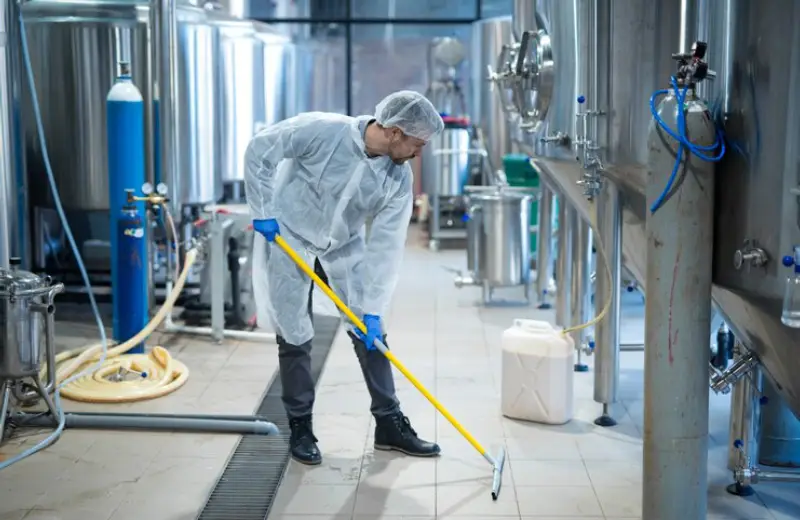
Industrial hygiene services play a pivotal role in ensuring workplace safety by identifying, evaluating, and controlling various environmental factors that could potentially affect the health and well-being of workers. These services encompass a broad spectrum of practices aimed at mitigating risks associated with chemical, physical, biological, and ergonomic hazards in industrial settings. By implementing comprehensive strategies, industrial hygiene professionals contribute significantly to creating safer and healthier work environments, thereby enhancing productivity and reducing the incidence of occupational illnesses and injuries.
Introduction To Industrial Hygiene Services In Workplace Safety
Industrial hygiene services are critical for maintaining workplace safety by focusing on the anticipation, recognition, evaluation, and control of hazards that may arise from industrial processes or operations. These services involve systematic assessments and monitoring to ensure that exposure levels to various contaminants such as chemicals, dusts, gases, and biological agents are within safe limits as defined by regulatory standards. By conducting thorough risk assessments and implementing appropriate control measures, industrial hygiene professionals safeguard the health of workers and prevent occupational diseases. Their role extends beyond compliance with regulations to actively promoting a culture of safety and continuous improvement within organizations.

The Role Of Industrial Hygiene Services In Air Sampling
Air sampling is a fundamental component of industrial hygiene services aimed at assessing and monitoring the quality of air in workplaces. Industrial hygiene professionals utilize sophisticated sampling techniques to measure concentrations of airborne contaminants that workers may be exposed to during their activities. These contaminants can include hazardous chemicals, particulates, vapors, and gases, which if not controlled, could pose serious health risks over time. By analyzing air sampling data, these professionals provide critical insights into potential exposure levels and recommend control measures such as ventilation improvements, personal protective equipment (PPE), or process modifications to minimize risks and ensure compliance with regulatory limits.
Industrial Hygiene Services Assess Safety Gear
Ensuring that workers have access to and correctly use appropriate safety gear is another vital function of industrial hygiene services. These professionals evaluate the effectiveness of personal protective equipment (PPE) such as respirators, gloves, goggles, and protective clothing in mitigating workplace hazards. Through fit testing, inspections, and performance evaluations, industrial hygiene experts ensure that PPE meets required safety standards and adequately protects workers from specific occupational hazards. They also provide training on the proper use, maintenance, and limitations of safety gear to enhance its effectiveness and reduce the likelihood of injuries or exposures.
Industrial Hygiene Services Manage Workplace Sound Levels
Noise exposure is a significant occupational hazard that can lead to hearing loss and other health problems if not properly managed. Industrial hygiene services include monitoring and assessing workplace noise levels to determine potential risks to employees. Using specialized equipment, professionals measure noise levels and compare them against permissible exposure limits established by occupational health and safety regulations. They then develop noise control strategies such as engineering controls (e.g., sound insulation, machinery modifications) and administrative controls (e.g., job rotation, scheduling) to minimize noise exposure. By implementing these measures and conducting regular monitoring, industrial hygiene services protect workers’ hearing health and ensure compliance with noise regulations.
Ensuring Safety Through Industrial Hygiene Services
Industrial hygiene services ensure workplace safety by integrating scientific principles, engineering controls, and administrative practices to identify and mitigate hazards. Through comprehensive risk assessments, exposure monitoring, and hazard controls, these services prevent accidents, injuries, and illnesses caused by occupational exposures. By fostering a proactive approach to safety, industrial hygiene professionals contribute to a culture where health and safety considerations are prioritized in all aspects of operations. Their expertise not only protects individual workers but also enhances overall organizational resilience and sustainability by reducing absenteeism, improving morale, and optimizing productivity.
How Industrial Hygiene Services Improve Workplace Comfort?
Beyond safety, industrial hygiene services also play a crucial role in enhancing workplace comfort by addressing ergonomic factors that affect employee well-being and performance. Ergonomics focuses on optimizing the interaction between workers and their work environment to minimize physical strain and discomfort. Industrial hygiene professionals evaluate ergonomic hazards such as awkward postures, repetitive motions, and lifting tasks that can lead to musculoskeletal disorders. Through ergonomic assessments, they recommend ergonomic design improvements, workstation modifications, and ergonomic training programs to create ergonomically sound work environments. By promoting comfort and reducing physical stressors, industrial hygiene services contribute to improved employee satisfaction, job performance, and overall organizational efficiency.
Industrial Hygiene Services Promote Safe Work Practices
Promoting safe work practices is a cornerstone of industrial hygiene services aimed at fostering a culture of safety within organizations. Industrial hygiene professionals collaborate with management, supervisors, and employees to develop and implement safe work practices and procedures. This includes conducting safety audits, hazard assessments, and job safety analyses to identify potential risks and establish effective control measures. By providing training and education on safe work practices, emergency procedures, and hazard recognition, industrial hygiene services empower employees to take an active role in maintaining their safety and that of their colleagues. Through continuous monitoring and feedback, these services support ongoing improvement efforts to ensure that safety remains a top priority across all levels of the organization.
Conclusion
Industrial hygiene services are indispensable for ensuring workplace safety through comprehensive hazard identification, risk assessment, and control measures. By focusing on air quality monitoring, safety gear assessment, noise management, ergonomic improvements, and the promotion of safe work practices, these services protect workers from occupational hazards and contribute to a healthier, more productive work environment. Industrial hygiene professionals play a critical role in regulatory compliance, employee health protection, and organizational sustainability by fostering a proactive approach to safety and continuously striving for excellence in occupational health management. As workplaces evolve and new challenges emerge, the role of industrial hygiene services will remain essential in safeguarding the well-being of workers and promoting a culture of safety that is fundamental to organizational success.

Laura Coleman is a seasoned writer specializing in the dynamic field of business administration. With a knack for unraveling organizational complexities, Laura crafts insightful narratives that illuminate the intricacies of modern business practices.