

The choice of rolling medium plays a pivotal role in the overall experience. Hemp wraps and traditional rolling papers are two prominent options, each with its unique characteristics. This article delves into an in-depth comparison between hemp wraps and traditional rolling papers, exploring their composition, benefits, drawbacks, and impact on the smoking experience.
Composition and Manufacturing
Hemp Wraps
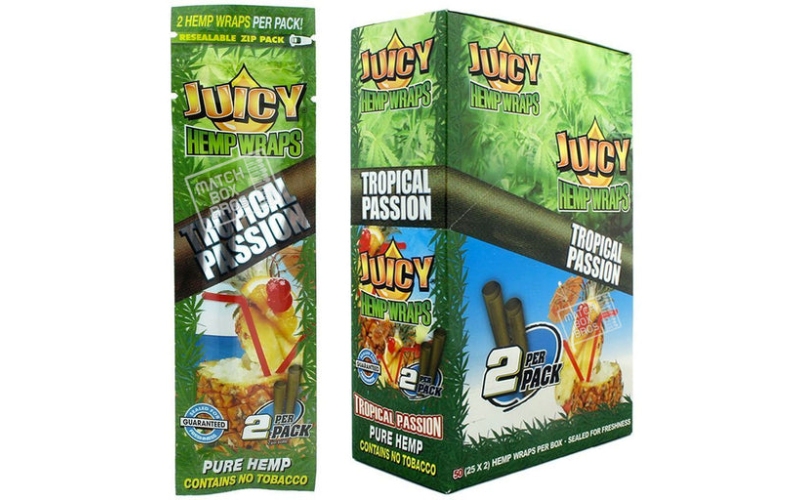
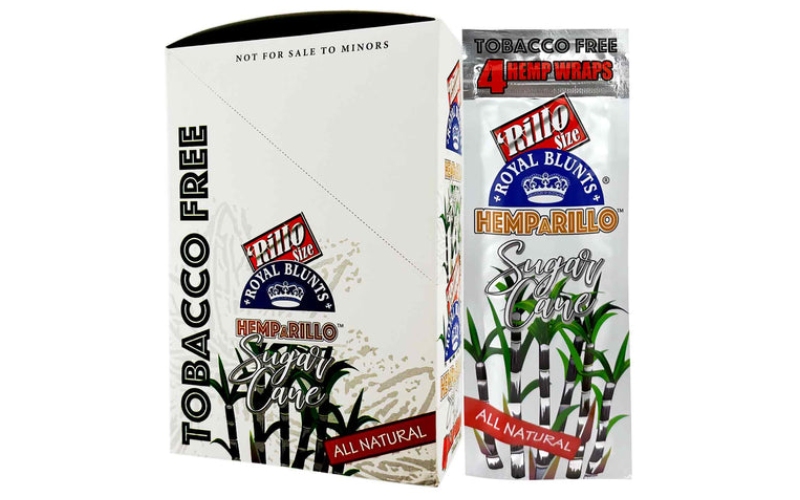
Hemp wraps are crafted from the fibers of the hemp plant, scientifically known as Cannabis sativa. These wraps offer a natural and sustainable alternative to traditional rolling papers. The manufacturing process involves extracting fibers from the hemp plant and refining them into a workable material for rolling. The resulting wraps are often nicotine and tobacco-free, catering to a health-conscious demographic.
Traditional Rolling Papers
Traditional rolling papers, on the other hand, are primarily made from wood pulp, flax, rice, or a blend of these materials. These papers have been the go-to choice for generations of smokers. The manufacturing process typically involves grinding the chosen material into a fine pulp, which is then formed into thin sheets for rolling.
Environmental Impact
Hemp Wraps
Hemp wraps are celebrated for their eco-friendly nature. Hemp is a fast-growing plant that requires minimal water and pesticides, making it a sustainable option. Additionally, hemp cultivation can help improve soil health and reduce carbon dioxide levels, contributing positively to the environment.
Traditional Rolling Papers
While efforts are being made to produce more sustainable rolling papers, the conventional production of wood pulp papers can involve deforestation and chemical treatments. This can have negative impacts on ecosystems and contribute to environmental degradation.
Smoking Experience
Hemp Wraps
Hemp wraps have gained popularity due to their unique flavor profile. The natural fibers of hemp can impart a subtle earthy undertone to the smoking experience, enhancing the overall enjoyment. The slow and even burn of hemp wraps also contributes to a smooth smoking process.
Traditional Rolling Papers
Traditional rolling papers are known for their neutral flavor, allowing the natural flavors of the smoking material to shine. However, some may argue that the burning process of paper is faster compared to hemp wraps, potentially leading to a slightly different smoking experience.
Health Considerations
Hemp Wraps
Hemp wraps are often marketed as a healthier alternative because they are usually free from additives, nicotine, and tobacco. This can be appealing to individuals who want to minimize their exposure to potentially harmful substances.
Traditional Rolling Papers
The health impact of traditional rolling papers can vary based on the materials used and any added chemicals. Some rolling papers may contain additives that could pose health risks when burned and inhaled.
Customization and Variety
Hemp Wraps
Hemp wraps come in a variety of flavors, allowing smokers to customize their experience. Common flavors include fruit, herbal, and natural options. This variety adds an element of excitement to the act of rolling and smoking.
Traditional Rolling Papers
Traditional rolling papers also offer a range of options in terms of sizes, thicknesses, and materials. However, when it comes to flavors, the choices are generally more limited compared to hemp wraps.
Rolling Ease and Durability
Hemp Wraps
Hemp wraps can be slightly thicker and more pliable than traditional rolling papers, which can make them easier to handle for some individuals. Their sturdiness often allows for creative rolling techniques.
Traditional Rolling Papers
Traditional rolling papers vary in thickness and durability. Some may be thinner and more delicate, requiring a more careful rolling approach.
Conclusion
In the ongoing debate between hemp wraps and traditional rolling papers, both options have their merits. Hemp wraps stand out for their eco-friendliness, unique flavor, and health-conscious appeal. On the other hand, traditional rolling papers offer a neutral canvas that lets the smoking material shine while presenting a range of sizes and thicknesses.
The choice between hemp wraps and traditional rolling papers ultimately comes down to personal preferences, values, and the desired smoking experience. Whether one opts for the natural and sustainable attributes of hemp wraps or the time-honored familiarity of traditional papers, both options contribute to the diverse landscape of smoking culture.

Blake Frank is a marketer and tech enthusiast based in Idaho. With over 9 years of experience in the digital marketing industry, he has gained a wide range of knowledge and skills such as SEO, web design, and digital analytics. Blake is passionate about providing insights into how technology and marketing intersect to create successful marketing strategies. In his free time, he enjoys mountain biking and exploring the great outdoors.