
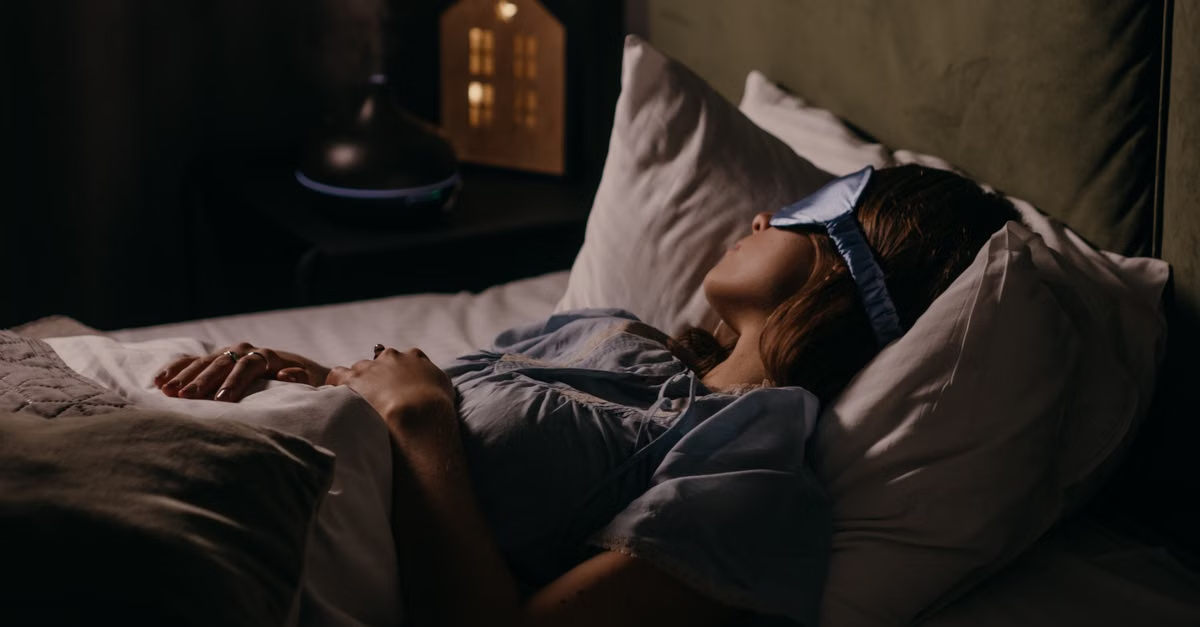
Sleep disorders are common and can deeply impact health and daily life. One of the most prevalent issues is obstructive sleep apnea (OSA), which causes breathing interruptions during sleep, resulting in poor rest and low oxygen levels. To diagnose these disorders, sleep studies, typically done in labs, offer vital insights. However, at-home sleep studies have gained popularity for their convenience. Patients can monitor their sleep using portable devices in a familiar setting, making the experience more comfortable. These studies assess breathing patterns and help identify CPAP therapy needs by determining the severity of OSA and suggesting optimal settings for effective treatment.
1. Understanding Sleep Disorders
Sleep disorders are common and can greatly impact a person's health and daily life. Home Sleep Study Among these, obstructive sleep apnea (OSA) is particularly prevalent. OSA occurs when the airway becomes blocked during sleep, causing repeated pauses in breathing. This leads to fragmented sleep and can result in lower oxygen levels in the blood, which may cause fatigue, mood changes, and other health issues. Other sleep disorders include insomnia, characterized by difficulty falling or staying asleep, and restless legs syndrome, which causes an uncontrollable urge to move the legs. Understanding these disorders is essential, as they can affect everything from concentration and productivity to long-term health .
2. Importance of Sleep Studies
Sleep studies, also known as polysomnography, are essential for diagnosing sleep disorders. They help doctors understand how well you sleep and identify any issues that may be affecting your health. During these studies, comprehensive data is collected on your sleep patterns, breathing, heart rate, and other important physiological parameters. While traditional sleep studies are conducted in specialized sleep labs, at-home sleep studies have gained popularity due to their convenience. They allow patients to undergo monitoring in a familiar environment, which can lead to more accurate results. By using portable monitoring devices, these studies track key metrics like airflow, oxygen levels, and heart rate, providing valuable insights into a patient's sleep health.
3. At-Home Sleep Studies: Overview
At-home sleep studies provide a practical way for individuals to monitor their sleep patterns without the need to stay overnight in a sleep clinic. These studies use portable devices that patients can set up in their own homes, making the process more comfortable and less intimidating. Typically, patients wear sensors that track important metrics, including airflow, oxygen levels, and heart rate, while they sleep. This setup allows for the collection of data in a familiar environment, which can lead to more accurate results as patients may experience more natural sleep. Instructions are given to help patients understand how to properly use the equipment and what to expect during the study. This approach is particularly beneficial for those who are anxious about being in a medical facility or for those who have logistical challenges in accessing a sleep lab.
4. How At-Home Sleep Studies Work
At-home sleep studies are designed to monitor your sleep patterns in a familiar environment. To begin, patients will apply several sensors to their bodies, which track essential metrics like breathing, heart rate, and body movements throughout the night. These sensors are typically easy to set up, and patients receive clear instructions on how to use them.
As you sleep, the monitoring devices gather data, capturing information on airflow and oxygen levels. This data is then transmitted to healthcare providers, who analyze it to determine if you have sleep apnea or other sleep disorders. For instance, if the study shows frequent interruptions in breathing, it may indicate obstructive sleep apnea. The results not only help diagnose the condition but also guide healthcare professionals in recommending appropriate treatments, such as CPAP therapy.
5. Benefits of At-Home Sleep Studies
At-home sleep studies provide several advantages that make them an appealing option for diagnosing sleep disorders. One of the primary benefits is increased comfort; patients can sleep in their own beds, which often leads to more natural and restful sleep patterns. This familiar environment can help reduce anxiety that some individuals may feel when sleeping in a clinical setting.
Convenience is another significant advantage. With at-home studies, there is no need to travel to a sleep clinic, which can eliminate logistical challenges such as arranging transportation or taking time off work. Patients can set up the equipment at their convenience, making the process much simpler.
Cost-effectiveness is also a key benefit. Generally, at-home sleep studies are less expensive than traditional in-lab studies, making them more accessible for many patients who might otherwise forgo testing due to financial concerns.
Additionally, many at-home devices can provide immediate results, allowing healthcare providers to intervene quickly if a serious condition is detected. This rapid feedback can be crucial for patients who are experiencing significant sleep issues, enabling prompt treatment and better overall health outcomes.
- Convenience of conducting the study at home
- Cost-effective compared to in-lab studies
- Greater comfort and privacy during the testing process
- Ability to maintain a normal sleep routine
- Easier access to follow-up care and adjustments
- Reduced waiting time for testing and results
- Improved compliance with testing due to ease of use
6. Identifying CPAP Therapy Needs
Continuous Positive Airway Pressure (CPAP) therapy is a widely used treatment for obstructive sleep apnea (OSA). When patients undergo at-home sleep studies, the data collected can reveal the severity of their sleep apnea, which is crucial for determining whether CPAP therapy is necessary. For example, if the study indicates frequent apneas and significant drops in oxygen levels, it suggests a higher likelihood that CPAP therapy will be beneficial. Additionally, the results from these studies can help identify the optimal pressure settings for the CPAP machine, ensuring that patients receive the most effective treatment tailored to their specific needs. This individualized approach can significantly enhance the likelihood of compliance and improve overall patient outcomes.
7. CPAP Titration
CPAP titration is a crucial step in the treatment of obstructive sleep apnea. It involves determining the precise air pressure settings needed for a CPAP machine to effectively keep the airway open during sleep. This process often follows an initial at-home sleep study that indicates the presence of sleep apnea. In some cases, a follow-up sleep study may be necessary to refine the pressure settings further. Accurate titration is vital because the wrong pressure can lead to inadequate treatment, resulting in ongoing symptoms such as daytime fatigue and poor sleep quality. For example, if a patient is prescribed too low a pressure, they may still experience apneas, while too high a pressure can cause discomfort and difficulty in using the device. Therefore, working closely with healthcare providers to ensure the correct CPAP titration is essential for successful therapy and improved patient outcomes.
8. Limitations of At-Home Sleep Studies
While at-home sleep studies offer many advantages, they also come with certain limitations that patients should consider. One significant drawback is that these studies may not be suitable for everyone, particularly those with complex sleep disorders. For instance, individuals with conditions like central sleep apnea or other medical issues may require more comprehensive monitoring that only an in-lab study can provide.
Additionally, at-home studies may produce less detailed data compared to traditional lab-based polysomnography. This means that some underlying issues—such as periodic limb movement disorder or other coexisting sleep conditions—could be overlooked. These missed diagnoses can impact the effectiveness of treatment plans.
Moreover, the accuracy of the results heavily depends on how well the patient follows the setup instructions. If sensors are incorrectly placed or if the device malfunctions, the data collected may not accurately reflect the patient’s sleep patterns. For instance, a patient may forget to wear a pulse oximeter, which measures blood oxygen levels, leading to incomplete information.
Finally, it’s crucial for patients to follow up with healthcare providers after the study. The interpretation of results can be complex and requires professional insight to determine the next steps. Without this follow-up, patients may make decisions based on incomplete or misunderstood data, which could hinder their treatment journey.
9. Role of At-Home Sleep Studies in CPAP Therapy
At-home sleep studies are crucial for understanding how sleep apnea affects individuals and for tailoring appropriate CPAP therapy. By conducting these studies, healthcare providers can gather valuable data about a patient's sleep patterns and breathing irregularities from the comfort of their own home. For instance, a patient who experiences excessive daytime sleepiness may undergo an at-home study, which can reveal the severity of obstructive sleep apnea.
The data collected helps determine whether CPAP therapy is necessary and assists in setting the correct pressure for the CPAP machine. This personalized approach ensures that patients receive the most effective treatment for their specific condition. Moreover, with advancements in technology, many at-home testing devices can analyze airflow and oxygen levels, providing insights that are essential for effective CPAP therapy.
Additionally, at-home studies can help identify potential issues early on, leading to quicker interventions. For example, if a study indicates significant drops in oxygen levels during sleep, it can prompt immediate action, such as starting CPAP therapy sooner rather than later. This proactive approach can improve sleep quality and reduce the risk of complications associated with untreated sleep apnea.
Frequently Asked Questions
1. What is an at-home sleep study and how does it work?
An at-home sleep study is a test you can do in your own bed to check how well you sleep. You wear a simple device that tracks your breathing, heart rate, and movements during the night.
2. Why would I need an at-home sleep study before getting CPAP therapy?
An at-home sleep study helps doctors see if you have sleep apnea. Knowing this is important because CPAP therapy is often recommended for people with this condition.
3. What can I learn from my at-home sleep study results?
The results will show if you have sleep apnea and how severe it is. This information helps doctors decide the best CPAP settings for you.
4. Is an at-home sleep study accurate like a hospital sleep study?
Yes, an at-home sleep study can be accurate for many people. It provides helpful information, but some might need a hospital study for more details.
5. How do I prepare for an at-home sleep study?
Preparing is usually simple. You should follow your normal sleeping routines and avoid caffeine or alcohol before the study to get the best results.
TL;DR At-home sleep studies are convenient and comfortable ways to diagnose sleep disorders like obstructive sleep apnea (OSA) from the comfort of your home. They provide valuable data on breathing patterns, which helps determine the need for Continuous Positive Airway Pressure (CPAP) therapy and the optimal settings for the machine. While they offer benefits such as cost-effectiveness and immediate results, they may not be suitable for everyone and can lack some comprehensive data found in in-lab studies. Overall, these studies play a crucial role in improving sleep quality and overall health.