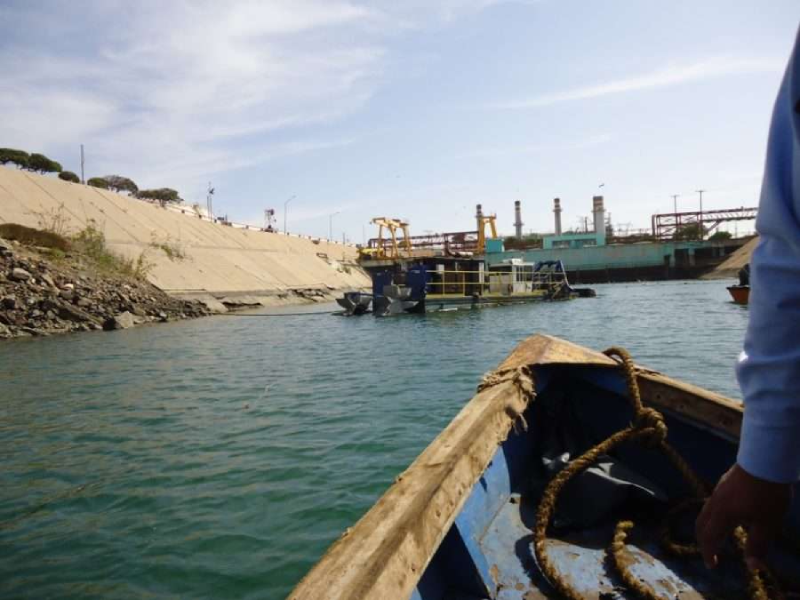

Dredging plays a crucial role in maintaining navigable waterways worldwide, ensuring safe passage for ships, supporting aquatic ecosystems, and facilitating economic activities. Canal dredging, in particular, demands specialized equipment designed to efficiently remove sediment, debris, and contaminants from narrow water channels. Effective canal dredging equipment not only enhances navigability but also minimizes environmental impact and maximizes operational efficiency. This comprehensive exploration delves into the essential features that define modern canal dredging equipment, highlighting their role in sustainable water management and infrastructure maintenance.
Understanding The Key Components Of Quality Canal Dredging Equipment
Quality canal dredging equipment is distinguished by its robust construction and precise engineering. Key components include powerful dredge pumps capable of handling various types of sediment and debris. These pumps are complemented by durable suction pipes and cutter heads that efficiently dislodge and transport materials. The integration of advanced hydraulic systems enables precise control over dredging operations, facilitating accurate positioning and efficient material handling. Additionally, the dredging equipment's versatility in adapting to different canal conditions underscores its effectiveness in maintaining waterway integrity.
The Importance Of Hydraulic Systems In Modern Canal Dredging Equipment
Hydraulic systems are pivotal in modern canal dredging equipment, providing the necessary power for dredge pumps, cutter heads, and other operational components. These systems ensure optimal performance by delivering high-pressure fluid to hydraulic cylinders, enabling precise movement and force application. Advanced hydraulic controls allow operators to adjust dredging parameters in real-time, optimizing efficiency and minimizing downtime. The reliability and responsiveness of hydraulic systems make them indispensable in achieving consistent dredging results while ensuring operational safety and equipment longevity.
Design Innovations That Enhance Efficiency In Canal Dredging Equipment
Continuous innovation drives efficiency improvements in canal dredging equipment design. Innovations such as modular construction facilitate easier assembly and customization according to specific dredging requirements. Improved hull designs enhance stability and maneuverability in narrow canals, reducing the risk of accidents and enhancing operational flexibility. Furthermore, the integration of eco-friendly materials and coatings minimizes environmental impact, aligning dredging operations with sustainability goals. These design advancements underscore the industry's commitment to enhancing efficiency while maintaining environmental stewardship.
Safety Features To Look For In Canal Dredging Equipment
Safety is paramount in canal dredging operations, necessitating the incorporation of robust safety features in dredging equipment. Essential safety measures include ergonomic operator cabins equipped with advanced visibility systems for enhanced situational awareness. Emergency stop mechanisms and fail-safe controls prevent accidents and mitigate operational risks. Additionally, onboard monitoring systems provide real-time data on equipment performance and environmental conditions, enabling proactive safety measures. Comprehensive training programs ensure that operators are proficient in safe equipment operation, fostering a culture of safety across dredging operations.
Environmental Considerations When Choosing Canal Dredging Equipment
Environmental sustainability is a critical consideration in selecting canal dredging equipment. Equipment that minimizes turbidity and sediment disturbance during dredging operations helps preserve water quality and aquatic habitats. Efficient sediment processing and disposal systems ensure that dredged materials are managed responsibly, minimizing ecological disruption. Moreover, noise and emissions reduction technologies mitigate the equipment's environmental footprint, promoting harmonious coexistence with surrounding communities and wildlife. Choosing environmentally conscious dredging equipment supports sustainable water management practices and regulatory compliance.
How Automation And Control Systems Improve Canal Dredging Efficiency?
Automation and control systems play a pivotal role in optimizing canal dredging efficiency. Automated dredging processes, guided by sensors and GPS technology, enable precise dredge positioning and depth control, enhancing operational accuracy and reducing material wastage. Advanced control interfaces provide operators with real-time data analytics and predictive maintenance insights, optimizing equipment performance and minimizing downtime. Furthermore, automated safety protocols and remote monitoring capabilities enhance operational safety and efficiency, allowing for seamless integration into broader water resource management strategies.
Maintenance Tips To Prolong The Lifespan Of Canal Dredging Equipment
Proper maintenance is essential for prolonging the lifespan and ensuring the reliability of canal dredging equipment. Regular inspection and lubrication of hydraulic systems and moving parts prevent premature wear and component failure. Scheduled maintenance intervals for dredge pumps, cutter heads, and propulsion systems optimize operational performance and efficiency. Cleaning and corrosion prevention measures safeguard equipment integrity, particularly in corrosive canal environments. Comprehensive training in maintenance procedures empowers operators to conduct routine checks and minor repairs, minimizing downtime and maximizing operational uptime. Training personnel in maintenance procedures and scheduling routine servicing according to manufacturer recommendations are crucial to minimizing downtime and maximizing the return on investment in dredging equipment.
Conclusion
Effective canal dredging equipment integrates advanced technology, robust design, and environmental stewardship to meet the demands of modern waterway management. From hydraulic systems that empower precision dredging operations to innovative design features that enhance safety and efficiency, each component plays a vital role in sustaining navigable canals worldwide. As the industry continues to innovate and adapt to evolving environmental regulations and operational challenges, the importance of investing in quality dredging equipment cannot be overstated. By prioritizing efficiency, safety, and environmental responsibility, stakeholders ensure the long-term viability of canal dredging operations and the sustainability of aquatic ecosystems.