

Dredged materials from wastewater ponds and wetlands include sediments, soil, and debris that need careful characterization for their physical, chemical, and biological traits. This helps decide the best treatment approach since contaminants or nutrients present might cause environmental issues like nutrient overload or harm aquatic habitats. Regulations mainly under Clean Water Act Section 404 require permits for dredging activities to ensure proper handling. Mechanical and hydraulic dredging methods are selected based on site conditions. Stored materials must be contained properly to avoid release of pollutants. Treatments range from dewatering to stabilization and biological methods, with reuse options when safe. Monitoring during and after the process supports adaptive management for better long-term results.
Definition and Characterization of Dredged Materials
Wastewater Dredge materials refer to the sediments, soils, and debris removed from wastewater ponds and wetlands during maintenance or restoration activities. Proper characterization of these materials is essential to guide their management and treatment. This process begins with collecting representative samples that reflect the variability within the dredged area. Physical properties such as grain size distribution and texture are analyzed to understand sediment composition, which influences dredging methods and disposal options. Chemical testing focuses on nutrient concentrations, heavy metals, organic contaminants, and pH levels to identify potential environmental risks. Biological assessment includes checking for pathogens, microbial communities, and organic matter content, which affect both treatment approaches and the potential for reuse. Additional tests often target specific contaminants like pesticides, hydrocarbons, and metals, offering critical information for handling and remediation decisions. Measuring sediment moisture content and density helps determine the most effective dewatering and disposal methods. The results of this comprehensive characterization allow classification of dredged materials as hazardous or non-hazardous, shaping regulatory compliance and management strategies. For example, sediments with elevated heavy metals may require stabilization before reuse, while cleaner materials might be suitable for beneficial applications like soil amendments. Regular monitoring of sediment quality over time supports adaptive management, ensuring that changes in contaminant levels or biological activity are detected early. Overall, thorough identification and analysis form the foundation for selecting appropriate treatment, disposal, or reuse options, minimizing environmental impacts and meeting regulatory requirements.

Environmental Impacts of Dredging in Ponds and Wetlands
Dredging disturbs sediment layers in ponds and wetlands, often releasing contaminants like heavy metals, nutrients, and pathogens that were previously trapped. This sudden release can degrade water quality and pose risks to aquatic life. The process also stirs up suspended sediments, increasing turbidity which blocks sunlight needed by aquatic plants, affecting photosynthesis and overall ecosystem health. When nutrients like nitrogen and phosphorus are re-suspended, they can trigger eutrophication, leading to harmful algal blooms that deplete oxygen levels and create dead zones unsuitable for fish and invertebrates. Physical disruption from dredging equipment damages habitats, including spawning grounds and benthic communities that are vital for food webs. Wetland functions such as natural water filtration and habitat provision may be temporarily impaired, reducing their ability to support biodiversity. Noise and vibrations from dredging operations can disturb nearby wildlife, causing stress or displacement. Changes in sediment composition can alter microbial activity, disrupting nutrient cycling essential for ecosystem balance. Additionally, if dredged materials are not properly contained during transport, invasive species might spread, further threatening native habitats. Airborne dust generated during dredging and handling poses air quality concerns for nearby communities. The severity and duration of these impacts depend on factors like the scale of dredging, sediment contamination levels, and the effectiveness of mitigation measures such as turbidity curtains and careful scheduling to avoid sensitive periods for wildlife.
Regulatory Framework Governing Dredged Material Management
Dredging activities in wastewater ponds and wetlands are regulated primarily under Section 404 of the Clean Water Act, which requires permits for the discharge of dredged material into waters of the United States. These permits are typically issued through a coordinated process involving the US Army Corps of Engineers and state agencies, such as the Minnesota Pollution Control Agency. An essential part of this framework is Section 401 water quality certification, which ensures that any dredging project complies with state water quality standards before federal permits are granted. Permits clearly specify conditions related to dredging methods, timing, disposal practices, and monitoring requirements to minimize environmental impacts. While some minor or maintenance dredging projects may qualify for exemptions, these must be confirmed with regulatory authorities to avoid noncompliance. Beyond dredging itself, the transportation and disposal of dredged sediments must adhere to hazardous waste and solid waste regulations to prevent contamination risks. Environmental impact assessments are often required to evaluate potential effects on aquatic habitats and water quality before projects proceed. Public notice and comment periods provide transparency and allow stakeholders to participate in decision-making. Throughout the dredging and disposal process, mandatory recordkeeping and reporting ensure regulators can verify compliance. Failure to meet regulatory requirements can lead to significant penalties and delays, emphasizing the importance of thorough planning and adherence to the legal framework.
Common Dredging Techniques and Equipment
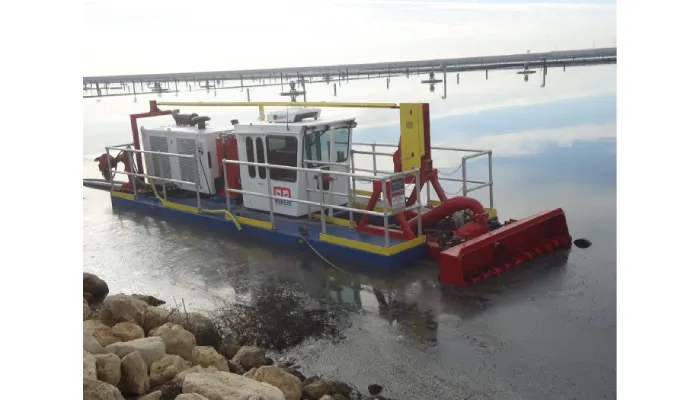
Mechanical dredging involves using heavy equipment such as backhoes, clamshells, and excavators to physically remove sediment from wastewater ponds and wetlands. This method is particularly effective for coarse or consolidated sediments and works best in shallow or limited water depths where machinery can operate safely. Hydraulic dredging, on the other hand, uses water jets and powerful pumps to suction softer, finer sediments through pipelines, making it suitable for deeper water bodies and areas with soft sediment layers. The choice between mechanical and hydraulic dredging depends largely on sediment type, site accessibility, and environmental considerations. Often, a combination of both methods is employed to optimize sediment removal efficiency and adapt to varying site conditions. To minimize environmental impacts such as turbidity spread, environmental control devices like silt curtains are commonly used around dredging sites. Proper maintenance of dredging equipment is essential to avoid leaks and the unintended release of contaminants during operations. Additionally, timing dredging activities to avoid sensitive wildlife periods helps reduce ecological disturbance. Skilled operator training is crucial to ensure safe, effective use of equipment while adhering to environmental protection measures throughout the dredging process.
Safe Handling, Storage, and Transport Methods
Proper handling, storage, and transport of dredged materials are essential to prevent environmental contamination and ensure regulatory compliance. At storage sites, using liners and berms helps contain sediments and prevents runoff that could carry pollutants into nearby water bodies. Stockpiles should be covered to reduce dust emissions, which can spread contaminants via wind. When loading and unloading dredged material, gentle techniques minimize sediment re-suspension, reducing the risk of contaminant release into the air or water.
Transport vehicles and containers must be inspected and securely sealed to avoid spills during transit. Adhering to local, state, and federal regulations for waste and contaminated material transport is critical. For example, vehicles carrying dredged sediment must often have placards and follow designated routes. Storage time should be limited to reduce odor issues, leachate formation, and the risk of material degradation. Access controls and clear signage at storage sites help prevent unauthorized entry and potential safety hazards.
Treatment Options for Contaminated Sediments
Dewatering is often the first step in treating dredged sediments, using drying beds, centrifuges, or geotextile tubes to reduce moisture content and lower handling costs. Once dewatered, stabilization and solidification techniques can be applied, where agents like lime or cement bind heavy metals and reduce their leachability, making sediments safer for disposal or reuse. Biological treatments such as composting help break down organic contaminants and pathogens, improving the sediment’s environmental quality. For sediments with high levels of organic pollutants, thermal treatments apply heat to destroy these harmful compounds effectively. Chemical oxidation or reduction processes target specific hazardous substances, breaking them down into less toxic forms. Phytoremediation offers a natural approach by using plants to extract or stabilize contaminants, although it may require longer time frames and is suitable for certain pollutants. Complex contamination often demands a combination of these treatments in sequence to achieve regulatory compliance and environmental safety. The choice of treatment depends heavily on sediment characteristics, contaminant types, and intended reuse goals. Proper treatment reduces volume, toxicity, and environmental risk, while post-treatment monitoring is essential to verify effectiveness and ensure that disposal or reuse meets all regulatory standards.
Beneficial Reuse Applications for Treated Dredged Materials
Treated dredged materials from wastewater ponds and wetlands can serve many useful purposes when properly managed and assessed for safety. One common reuse is as soil amendments, where sediments improve soil structure and add nutrients, provided contaminants are below regulatory limits. These materials can also be used as daily or intermediate cover at landfill sites, helping reduce waste exposure and control odors. In wetland restoration projects, treated dredged sediments offer a valuable substrate and can help restore elevation, supporting vegetation growth after removing harmful contaminants. Construction fill is another option, with sediments applied as road base or embankments when stable and non-toxic. Under strict nutrient and contaminant guidelines, some treated dredged material may be applied to agricultural lands to boost soil fertility without risking crop or environmental health. Additionally, stabilized sediments can be used in manufacturing bricks, tiles, or as additives in cement, contributing to resource recovery and reducing the demand for virgin raw materials. Before reuse, thorough risk assessments and regulatory approvals are essential to ensure no harm to human health or ecosystems. Monitoring during and after application verifies ongoing safety. Finally, gaining public acceptance through stakeholder engagement improves project success, addressing community concerns and promoting transparency.
Disposal Practices and Environmental Considerations
Disposal of dredged materials from wastewater ponds and wetlands must be carefully planned to minimize environmental harm. When considering in-water disposal, it is essential to evaluate sediment quality and potential effects on aquatic habitats. This includes assessing contaminant levels and ensuring the site can sustain the added material without damaging local ecosystems. Upland disposal requires the use of permitted facilities equipped with liners and leachate controls to prevent groundwater contamination. Selecting disposal sites depends on factors like proximity to the dredging location, environmental sensitivity of the area, and the site’s capacity to handle the material. Avoiding floodplains and erosion-prone areas is crucial to prevent sediment from spreading into sensitive zones during high water events. Long-term containment plans should be in place to manage risks of contaminant migration, which may involve engineered barriers or capping techniques to isolate contaminated sediments effectively. Regular monitoring of groundwater and surface water quality around disposal sites helps detect any potential impacts early and supports adaptive management. Proper documentation of disposal methods, volumes, and locations is necessary for regulatory compliance and reporting. If environmental risks are significant, alternative disposal or treatment methods must be considered to reduce harm. Coordination with regulatory agencies is key throughout the disposal process to ensure all federal and state environmental standards are met and to maintain transparency.
Frequently Asked Questions
1. What are the main environmental concerns when managing dredged materials from wastewater ponds and wetlands?
The key environmental concerns include preventing contamination of soil and water, managing harmful substances like heavy metals or organic pollutants, and protecting local ecosystems from disruption during dredging and disposal.
2. How can dredged materials from wastewater treatment be safely reused or recycled?
Dredged materials can be treated to remove contaminants and then reused as soil amendments, construction fill, or in land reclamation projects, provided they meet safety standards and local regulations.
3. What treatment methods are effective for reducing pollutants in dredged sediments from wetlands?
Techniques such as dewatering, stabilization with binding agents, biological treatments, and thermal processing help reduce pollutant levels and make dredged sediments safer for disposal or reuse.
4. What regulatory factors must be considered when disposing of dredged materials from wastewater ponds?
Compliance with federal and state environmental regulations is essential, including permits for dredging, disposal site approvals, and meeting contaminant limits to ensure safe handling and disposal.
5. How does proper management of dredged materials impact the health of wetlands and surrounding water bodies?
Effective management prevents pollutant spread, maintains water quality, supports wetland habitats, and helps preserve the natural balance of aquatic ecosystems, reducing long-term environmental risks.
TL;DR Effective management of dredged materials from wastewater ponds and wetlands involves proper characterization of sediments to guide treatment and disposal. Environmental impacts like contaminant release and habitat disruption require careful planning under regulatory frameworks such as the Clean Water Act. Selecting appropriate dredging techniques, safe handling practices, and treatments (including dewatering and stabilization) ensures materials are managed responsibly. When feasible, treated materials can be reused for soil amendments, restoration, or construction. Best management practices include monitoring, adaptive management, and stakeholder engagement to protect ecosystems and comply with regulations for sustainable outcomes.

Blake Frank is a marketer and tech enthusiast based in Idaho. With over 9 years of experience in the digital marketing industry, he has gained a wide range of knowledge and skills such as SEO, web design, and digital analytics. Blake is passionate about providing insights into how technology and marketing intersect to create successful marketing strategies. In his free time, he enjoys mountain biking and exploring the great outdoors.