


Road marking stencils play a vital role in ensuring safety and organization on roads and pavements. From delineating lanes to indicating pedestrian crossings, these stencils are essential for guiding traffic and pedestrians in various settings. Choosing the right road marking stencils for your project is crucial to ensure effectiveness, durability, and compliance with regulations. In this comprehensive guide, we will explore various factors to consider when selecting road marking stencils, including material choices, customization options, durability, maintenance, environmental impact, and best practices for application.
Material Choices For Road Marking Stencils
Selecting the appropriate material for road marking stencils is essential to ensure longevity and visibility. Common materials include durable plastics like polyethylene and polypropylene, which offer resistance to weathering and abrasion. Metal stencils provide durability but may be heavier and less flexible. Thermoplastic stencils offer excellent adhesion and durability, ideal for high-traffic areas. Each material has its advantages and limitations, and choosing the right one depends on factors such as the project’s location, traffic volume, and budget.
Standard Vs Custom Road Marking Stencils
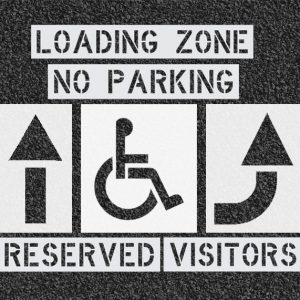
When deciding between standard and custom road marking stencils, it’s essential to consider the specific requirements of your project. Standard stencils are readily available in common shapes and sizes, making them suitable for typical road markings. However, custom stencils offer flexibility in design, allowing for unique symbols, logos, or text to meet specific needs. While standard stencils may be more cost-effective for simple markings, custom stencils provide tailored solutions for complex designs or branding purposes.
Durability And Maintenance Of Road Marking Stencils
Stencils made from high-quality materials and manufacturing processes are more resistant to wear and tear, ensuring long-term visibility and performance. Regular maintenance, including cleaning and inspection for signs of damage, is crucial to prolonging stencil lifespan and maintaining visibility. Additionally, proper storage when not in use can prevent warping or distortion, preserving stencil integrity for future projects.
Understanding The Importance Of Road Marking Stencils
Clear and well-maintained markings provide guidance for lane delineation, pedestrian crossings, parking spaces, and traffic flow direction. Without proper road markings, confusion and accidents can occur, leading to traffic congestion and safety hazards. Investing in quality road marking stencils is an investment in public safety and efficient traffic management.
Types Of Road Marking Stencils: An Overview
Road marking stencils come in various shapes, sizes, and designs to meet different marking requirements. Common types include lane marking stencils, pedestrian crossing stencils, symbol stencils (such as arrows or handicap symbols), and custom lettering stencils. Each type serves a specific purpose in guiding traffic and pedestrians, and selecting the appropriate stencil type depends on the intended application and regulatory requirements of the project.
Environmental Impact Of Road Marking Stencils
Considering the environmental impact of road marking stencils is essential for sustainable infrastructure development. Opting for eco-friendly materials, such as recyclable plastics or water-based paints, can minimize environmental harm during production, use, and disposal. Additionally, choosing stencils with low volatile organic compound (VOC) emissions reduces air pollution and promotes healthier indoor and outdoor air quality. By prioritizing environmentally friendly options, road marking projects can contribute to overall sustainability goals and minimize negative ecological footprints.
Best Practices For Applying Road Marking Stencils
Proper application of road marking stencils is critical to ensure clarity, longevity, and compliance with regulations. Before application, surfaces should be clean, dry, and free of debris to promote adhesion and prevent peeling or flaking. Using high-quality paints or thermoplastic materials appropriate for the surface and traffic conditions ensures durability and visibility. Precision and accuracy during stencil placement are vital to avoid misalignment or distortion of markings. Finally, regular inspection and maintenance of markings are essential to address wear and tear and ensure ongoing visibility and effectiveness.
Conclusion
Choosing the right road marking stencils for your project requires careful consideration of various factors, including material choices, customization options, durability, maintenance, environmental impact, and application best practices. By selecting stencils that meet the specific needs of your project and adhere to regulatory standards, you can enhance safety, organization, and efficiency on roads and pavements. Investing in quality stencils and following best practices for application and maintenance ensures long-lasting visibility and effectiveness, contributing to safer and more sustainable transportation infrastructure.

Laura Coleman is a seasoned writer specializing in the dynamic field of business administration. With a knack for unraveling organizational complexities, Laura crafts insightful narratives that illuminate the intricacies of modern business practices.