

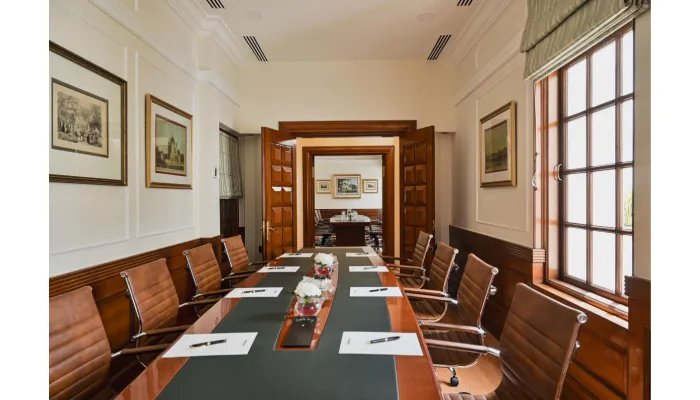
Creative meeting rooms thrive when they combine natural light, flexible seating, and playful elements that break the usual office routine. Spaces like Pinterest’s beachside rooms or L.L. Bean’s outdoor pop-ups show how fresh air and ocean views inspire new ideas. Adding vibrant colors, artwork, and unconventional furniture, as seen at CitizenM Seattle or GO WEST, helps keep people engaged and comfortable. Introducing sensory disruptions such as C2 Montréal’s hanging chairs or darkrooms nudges thinking out of comfort zones too. Technology plays its part with strong WiFi and interactive tools, while wellness features like ergonomic seats and quiet corners help minds stay fresh during long sessions.
Natural Light and Outdoor Meeting Spaces
Natural light plays a crucial role in boosting mood and mental clarity, which directly supports creative thinking during meeting rooms in Delhi. Exposure to daylight helps regulate circadian rhythms, keeping energy steady and reducing fatigue over long sessions. Outdoor meeting spaces add another layer of benefit by offering fresh air and a change of scenery, which can break the monotony of traditional boardrooms and encourage freer idea flow. For example, Pinterest’s beachside meeting rooms at Cannes Lions featured ocean views, slatted roofs for shade, and natural cooling breezes, creating a relaxed atmosphere that fosters creativity without pressure. Similarly, L.L. Bean’s outdoor pop-up workstations combined ergonomic furniture with power outlets, blending comfort and connectivity to support productivity in an open-air setting. Shaded outdoor areas are perfect for focused, power meetings where concentration is key, while more relaxed seating encourages blue-sky thinking and freeform brainstorming. Integrating natural elements such as plants and water features into these spaces promotes calm and creativity, helping teams move smoothly between intense discussions and informal chats.

Using Colors and Artwork to Spark Ideas
Bright colors in meeting rooms activate parts of the brain tied to creativity and energy, helping to lift the usual dullness found in many traditional spaces. Incorporating artwork that showcases diverse styles or cultural themes encourages fresh perspectives and sparks new conversations among participants. For example, CitizenM Seattle South Lake Union features neon signage and comic murals by Native American artist Jeffrey Veregge, creating a lively and engaging atmosphere that naturally invites creative thinking. Designs that focus on creativity often blend comfortable couches with greenery to strike a balance between relaxation and concentration. Informal library spaces stocked with books on leadership and marketing provide quiet inspiration during breaks. Colorful furniture encourages informal seating arrangements and movement, which can help keep energy levels up. Eclectic lighting setups not only highlight artwork but also set different moods depending on the meeting’s goals. Having multiple visual focal points reduces cognitive fatigue, making it easier for attendees to stay engaged. Subtle touches like inspiring quotes or murals aligned with the session’s purpose reinforce focus without distraction. When colors are combined with tactile materials such as textured walls or fabric finishes, they engage more senses, deepening the immersive experience and enhancing creative flow.
Flexible Seating for Different Meeting Styles
Flexible seating plays a key role in shaping creative meeting environments by adapting to various group needs and encouraging fresh thinking. Non-traditional options like swings, ball pits, and bean bags add a sense of playfulness that breaks down the usual formality of meetings, making it easier for participants to relax and share ideas openly. Spaces like GO WEST’s conference rooms include themed breakout areas resembling playgrounds, which help attendees shift from focused work to free-flowing brainstorming. High-top tables and standing desks support quick, energetic discussions that keep ideas moving, while gaming-themed rooms such as those at Fairmont the Queen Elizabeth use eclectic seating to challenge typical meeting setups and spark innovation. Movable chairs and modular furniture make it simple to rearrange the room for workshops, presentations, or small group sessions, ensuring the space fits the task at hand. Offering a mix of seating heights and styles caters to different comfort levels and physical needs, which helps sustain attention and creativity throughout long sessions. Incorporating soft seating near work tables allows smooth transitions between concentrated work and relaxed idea sharing, while designated zones for collaboration and quiet reflection support multiple work modes in one room. Varied seating also encourages physical movement, which boosts energy and engagement during creative sessions.
Breaking Comfort Zones to Boost Creativity
Meeting rooms that push people out of their comfort zones spark creativity by breaking routine mental patterns. Unusual seating like chairs suspended off the ground, as seen in C2 Montréal’s Sky Lab, physically shifts perspective and loosens fixed thinking. Spaces that remove usual visual cues, such as GO WEST’s Darkroom breakout where participants navigate without sight, force reliance on other senses and open doors to fresh problem-solving approaches. Sensory disruptions like altered lighting or sound reduce habitual responses, encouraging risk-taking and deeper reflection. Challenging participants mentally or physically taps into brain plasticity, which is linked to innovative thinking. Unexpected features like slides or ladders invite playful exploration, helping teams bond while stimulating lateral thinking. Behavioral research confirms that stepping outside familiar settings during meetings leads to higher engagement, better attention, and more collaborative breakthroughs overall.
Meeting Rooms Designed for Relaxation and Escape
Meeting rooms that mimic home-like or nature-inspired settings provide a mental reset for participants, helping reduce stress and improve focus during creative sessions. For example, Take-Two Interactive’s E3 setup recreated a midcentury modern house with lounge areas, a pool, and dining spaces where informal conversations could flow naturally. Similarly, C2 Montréal’s Nest offered a unique experience with a hollow tree-branch structure elevated 10 feet, entered by ladder and exited via slide, blending a sense of fun with focused collaboration. Incorporating natural materials such as wood and stone adds to the calming atmosphere, grounding attendees and encouraging clear thinking. Soft lighting and comfortable furniture support longer meetings without fatigue, while elements like fireplaces, water features, or plants foster a soothing environment. Rooms designed with multiple zones allow participants to match their energy levels, moving from active brainstorming to quiet reflection as needed. These escape-themed spaces give attendees a mental break that can spark sudden insights or new connections. Providing areas for informal socializing within the room also helps build trust and collaboration, making the space feel less like a typical meeting and more like a creative retreat.
Adding Play and Interactive Elements
Incorporating play and interactive features in meeting rooms can unlock creativity by engaging both the mind and body. Hands-on activities, like using LEGO bricks as seen at the Epic International Summit, encourage non-verbal communication and fresh thinking. Simple additions such as stress-relief toys, puzzles, and brainteasers provide mental breaks that refresh curiosity and focus. Allowing tech-free moments with meditative mixed media workshops adds variety to how ideas are generated. Physical play, like tossing balls or building models, boosts dopamine levels, which supports concentration and a positive mood. Interactive tools such as whiteboards, sticky notes, or magnetic surfaces invite participants to collaborate actively rather than passively listen, improving idea retention. Games and challenges help break down hierarchy, promoting equal voices in the room. Playful decor and amenities create a welcoming, less intimidating atmosphere, making it easier for everyone to contribute. Scheduling playful breaks during long sessions keeps energy steady and reduces burnout, ensuring creativity stays alive throughout the meeting.
Decor That Supports Meeting Goals
Meeting room decor plays a crucial role in shaping the mindset and behavior of participants during creative sessions. When the environment aligns with the session objectives, it subtly reinforces the desired focus and openness. For example, C2 Montréal’s Cloud of Fog tent used actual fog to remove visual cues, encouraging attendees to rely on other senses and build deeper connections once visibility returned. Thematic decor can convey company values like innovation or trust without words, while sensory elements such as textures, smells, or lighting deepen immersion and sharpen attention. Visual barriers removed through thoughtful design encourage participants to listen and observe more carefully, supporting collaboration. Incorporating symbols linked to a company or project fosters shared identity and a sense of belonging. Lighting adjustments, from bright for energized brainstorming to dim for quiet reflection, help match the room’s atmosphere to the task. Natural elements like plants or water features enhance wellness and engagement, while strategic use of color and art can emphasize creativity, calm, or energy depending on the meeting’s needs. Ultimately, decor that supports meeting goals creates a safe psychological space where risk-taking and honest dialogue are welcomed, helping ideas flow more freely.
Tech Features That Help Creative Work
Meeting rooms designed for creative sessions benefit greatly from technology that supports collaboration and flexibility. Reliable high-speed WiFi and accessible power outlets keep devices charged and connected, ensuring no one loses momentum. Interactive whiteboards and video walls let teams share ideas and visualize concepts in real time, making brainstorming more dynamic. Virtual reality setups can immerse groups in simulated environments, offering fresh perspectives and sparking innovation. Flexible furniture layouts, with movable tables and chairs, allow quick changes to suit presentations, workshops, or group discussions. Soundproofing and acoustic treatments help minimize distractions, so participants can focus better. Integrated video conferencing tools connect remote team members seamlessly, making it easier to include everyone in the creative process. Smart lighting systems adjust brightness and color temperature to maintain alertness and comfort during long sessions. Digital brainstorming apps facilitate capturing ideas and voting efficiently, keeping energy high and organized. Advanced features like projection mapping or augmented reality bring concepts to life, enhancing engagement and clarity. Backup power solutions also play a key role, preventing interruptions during critical moments and maintaining creative flow.
Frequently Asked Questions
1. What features should I look for in a meeting room to boost creativity?
Look for a space with natural light, comfortable seating, and flexible layouts that encourage collaboration. Access to whiteboards, sticky notes, and tech like screens or projectors can also help spark ideas.
2. How does the layout of a meeting room affect creative thinking?
Layouts that allow easy movement and face-to-face interaction tend to promote better idea sharing. Circular or U-shaped arrangements work well because they keep everyone visually connected and engaged.
3. Can the environment of a meeting room influence how creative a session is?
Yes, the environment plays a big role. Bright colors, inspiring artwork, and a quiet yet energizing atmosphere can help minds stay fresh and open to new ideas.
4. What technology is most useful in meeting rooms for creative sessions?
Interactive screens, wireless connectivity, video conferencing tools, and easy access to digital whiteboards or brainstorming apps make it simpler to share and build on ideas quickly during creative sessions.
5. How important is room size for creative meetings with different group sizes?
Room size matters because it affects comfort and interaction. For small groups, a cozy space helps maintain focus, while larger groups need enough room to break into teams and use collaborative tools without feeling cramped.
TL;DR Creative meeting rooms boost idea flow by mixing natural light, outdoor spaces, vibrant colors, and flexible seating. Breaking usual comfort zones with unique settings and sensory disruptions sparks fresh thinking. Spaces designed for relaxation and play keep energy up and encourage collaboration. Thoughtful decor supports meeting goals, while tech tools and ergonomic features maintain focus and ease. Around the world, innovative designs show how combining these elements leads to more engaging and productive creative sessions.

Blake Frank is a marketer and tech enthusiast based in Idaho. With over 9 years of experience in the digital marketing industry, he has gained a wide range of knowledge and skills such as SEO, web design, and digital analytics. Blake is passionate about providing insights into how technology and marketing intersect to create successful marketing strategies. In his free time, he enjoys mountain biking and exploring the great outdoors.