

Flagstone is a popular choice for landscaping due to its numerous benefits. One key advantage is its natural beauty and variety of colors and textures, which can enhance the aesthetic appeal of any outdoor space. Additionally, flagstone is durable and can withstand heavy foot traffic and various weather conditions, making it ideal for pathways, patios, and other outdoor surfaces. Its slip-resistant surface also makes it a safe option for walkways and pool areas. Another benefit of flagstone is its versatility; it can be used to create formal or informal designs, depending on the layout and arrangement. Flagstone is also environmentally friendly, as it is a natural stone product that does not require extensive processing or manufacturing. Overall, using flagstone in landscaping adds value to your property while providing a timeless and elegant look.
Flagstone Installation Techniques
Proper installation is crucial for ensuring the durability and longevity of flagstone in landscaping projects. The installation process begins with preparing the base, which typically involves excavating the area to the desired depth and adding a base layer of crushed stone or gravel for stability and drainage. Next, a layer of sand or stone dust is spread over the base to create a smooth surface for laying the flagstone. The flagstones are then placed closely together, using a rubber mallet to ensure they are level and firmly set. Joints between the stones can be filled with sand or mortar to create a more stable surface. Finally, the flagstone surface is compacted and sealed to enhance its durability and resistance to weathering.
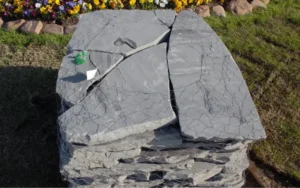
Design Ideas for Flagstone Pathways
Flagstone pathways offer endless design possibilities for enhancing outdoor spaces. One popular design idea is the use of irregular-shaped flagstones set in a natural pattern to create a rustic and organic look. Another option is arranging flagstones in a formal geometric pattern for a more structured and contemporary appearance. Flagstone can also be combined with other materials such as gravel or grass to add visual interest and texture to the pathway. Incorporating curves and bends in the pathway can create a sense of movement and intrigue in the landscape. Additionally, integrating landscape lighting along the flagstone pathway can enhance nighttime visibility and highlight the beauty of the stone.
Maintaining Flagstone: Tips for Longevity
Proper maintenance is essential for preserving the beauty and durability of flagstone over time. Regularly sweeping or blowing off debris such as leaves and dirt helps prevent stains and buildup. Periodic washing with a mild detergent and water can remove dirt and grime without damaging the stone. Sealing flagstone with a breathable, water-based sealer helps protect it from moisture penetration and stains while maintaining its natural appearance. It’s important to avoid using harsh chemicals or acidic cleaners on flagstone, as these can erode the stone’s surface and cause discoloration. Lastly, inspecting the flagstone periodically for cracks or loose stones and addressing any issues promptly can prevent further damage and prolong its lifespan.
Flagstone vs. Other Paving Materials
Comparing flagstone with other paving materials reveals unique advantages and considerations. Flagstone offers natural beauty and variability in color and texture that can’t be replicated by manufactured materials like concrete pavers. Unlike concrete, flagstone tends to blend seamlessly with its surroundings and develop a patina over time, enhancing its character. Flagstone is also more durable and resistant to cracking compared to concrete or asphalt, making it a long-term investment. However, flagstone may require more skill and effort to install compared to precast pavers, and the availability of certain sizes and shapes may vary depending on the quarry. Ultimately, the choice between flagstone and other materials depends on the specific design preferences, budget, and maintenance considerations of the project.
Choosing the Right Flagstone for Your Project
Selecting the right type of flagstone is crucial for achieving the desired look and performance in your landscaping project. Considerations include the type of natural stone (such as sandstone, limestone, or slate), which affects color, texture, and durability. Sandstone is a popular choice for its warm hues and ease of cutting, while slate offers a more contemporary appearance with its dark colors and smooth texture. Size and thickness of the flagstones should also be considered based on the intended use and traffic load of the area. Additionally, choosing locally sourced flagstone can reduce transportation costs and support sustainability. It’s important to visit stone yards and quarries to view samples in person and select flagstones that complement the overall design and style of your landscape.
Conclusion
Flagstone is a versatile and timeless material that offers numerous benefits for landscaping projects. From its natural beauty and durability to its design flexibility and environmental friendliness, flagstone enhances outdoor spaces in various ways. Proper installation techniques and regular maintenance are essential for maximizing the longevity and aesthetic appeal of flagstone pathways, patios, and other features. When comparing flagstone with other paving materials, consider factors such as aesthetics, durability, installation complexity, and maintenance requirements to make an informed decision. By choosing the right type of flagstone and implementing thoughtful design ideas, you can create stunning and functional landscapes that stand the test of time.

Laura Coleman is a seasoned writer specializing in the dynamic field of business administration. With a knack for unraveling organizational complexities, Laura crafts insightful narratives that illuminate the intricacies of modern business practices.