

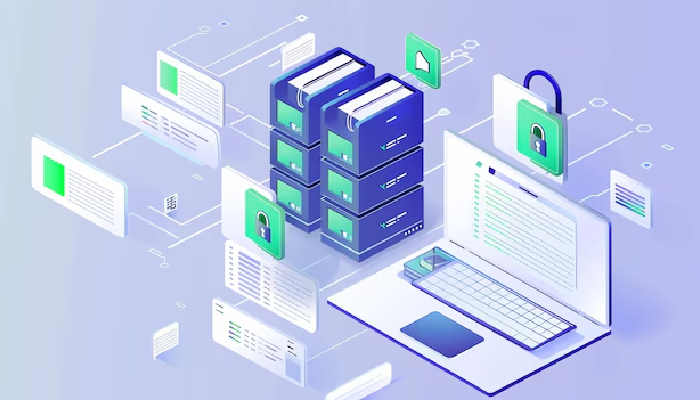
An effective application security service is instrumental in maximizing business efficiency and fostering trust among customers and stakeholders. By integrating security measures into the software development lifecycle, businesses can identify and address vulnerabilities early in the process, thereby reducing the likelihood of costly breaches and downtime later on. This proactive approach not only saves resources but also ensures that applications are resilient against potential threats, allowing businesses to operate more smoothly. Furthermore, when organizations prioritize application security, they demonstrate a commitment to protecting customer data and privacy, which in turn enhances their reputation and builds trust with users. This trust is vital in today’s market, where consumers are increasingly concerned about the security of their personal information.
Features Of A High-Quality Application Security Service You Can’t Overlook
When selecting an application security service, several key features are essential to ensure comprehensive protection and functionality. First and foremost, a robust vulnerability assessment tool is crucial for identifying weaknesses within applications before they can be exploited by malicious actors. Additionally, integration capabilities with existing development tools and platforms enhance the security service’s usability, allowing teams to seamlessly incorporate security into their workflows. Real-time monitoring and alerting systems provide immediate insights into potential threats, enabling swift action to mitigate risks. Furthermore, a high-quality service should include code review and testing features, which assess application code for security flaws and ensure compliance with industry standards.

Application Security Service: Enterprises And Small Businesses Alike
Application security services provide significant benefits to both enterprises and small businesses, albeit in different contexts. For large organizations, the scale and complexity of operations often present unique challenges regarding data protection and compliance. These businesses require comprehensive security solutions that can adapt to their multifaceted applications and intricate regulatory landscapes. An application security service enables them to implement standardized security protocols across all software applications, ensuring consistent protection and facilitating compliance with industry regulations. Conversely, small businesses may face resource constraints that limit their ability to dedicate staff or funds to cybersecurity initiatives.
Future Trends In Application Security Service: What To Expect And Beyond?
As technology continues to evolve, so too will the landscape of application security services. By 2025 and beyond, several trends are expected to shape the future of application security. One significant trend is the increased adoption of artificial intelligence (AI) and machine learning (ML) in security tools. These technologies will enhance the ability to detect anomalies, predict potential threats, and automate responses, thereby significantly improving overall security posture. Additionally, as more organizations migrate to cloud environments, application security services will need to focus on securing cloud-native applications and addressing the unique challenges posed by distributed architectures. Furthermore, with the growing emphasis on DevSecOps, where security is integrated into every stage of development, organizations will increasingly prioritize the need for security measures to be part of the CI/CD pipeline.
The Role Of Application Security Service In Securing Modern Cloud Environments
In the era of cloud computing, the role of application security services has become increasingly crucial in safeguarding modern cloud environments. With organizations migrating their applications and data to the cloud, the attack surface has expanded, necessitating a comprehensive approach to security. Application security services play a vital role in identifying vulnerabilities specific to cloud-based applications, ensuring that security measures are tailored to the unique characteristics of cloud environments. This includes implementing security controls such as identity and access management, encryption, and continuous monitoring to protect sensitive data stored in the cloud. Additionally, application security services can assist in compliance with various regulations related to data protection, which is particularly important in industries such as finance and healthcare.
Choosing The Right Application Security Service For Your Business
Selecting the right application security service is a critical decision that can significantly impact the overall security posture of a business. Organizations should begin by assessing their specific security needs, taking into account factors such as the complexity of their applications, regulatory requirements, and the level of risk associated with their operations. Conducting a thorough risk assessment can help identify potential vulnerabilities and inform the selection process. Next, businesses should evaluate the features and capabilities of different application security services, ensuring that they align with the organization’s unique requirements. This may include looking for services that offer comprehensive vulnerability assessment, real-time monitoring, and integration with existing development tools. Additionally, organizations should consider the service provider’s reputation, customer support options, and the availability of training resources for staff.
How An Application Security Service Enhance The Software Development Lifecycle?
An application security service significantly enhances the software development lifecycle (SDLC) by embedding security practices at every stage, thus fostering a culture of security within development teams. By incorporating security measures early in the SDLC, organizations can proactively identify and remediate vulnerabilities before applications are deployed. This shift-left approach not only reduces the cost and time associated with addressing security issues post-deployment but also fosters collaboration between development, security, and operations teams. Application security services provide essential tools such as static and dynamic application security testing, which help developers identify potential security flaws in their code during the development and testing phases.
Cyber Defense With A Comprehensive Application Security Service
To maximize cyber defense, organizations must adopt a comprehensive approach to application security services that encompasses multiple layers of protection. A robust application security service should include a combination of proactive measures such as threat modeling, vulnerability assessments, and penetration testing, alongside reactive measures like incident response and remediation. By identifying potential threats and vulnerabilities before they can be exploited, organizations can effectively minimize the risk of breaches and data loss. Furthermore, continuous monitoring and real-time alerting are essential components of a comprehensive application security service, as they enable organizations to detect and respond to threats swiftly, thereby mitigating potential damage. Regular updates and patches to applications are also crucial in maintaining a strong security posture, as cybercriminals often exploit known vulnerabilities.
Conclusion
Application security services play a vital role in safeguarding organizations against the ever-growing threat of cyber attacks. As the digital landscape continues to evolve, businesses must prioritize the protection of their applications to ensure the security of sensitive data and maintain user trust. The benefits of application security service, including proactive vulnerability management, regulatory compliance, and continuous monitoring, underscore the importance of a comprehensive approach to application security.

Laura Coleman is a seasoned writer specializing in the dynamic field of business administration. With a knack for unraveling organizational complexities, Laura crafts insightful narratives that illuminate the intricacies of modern business practices.