


An application for load balancer is crucial in today’s digital environment, primarily due to the relentless demand for high availability and fault tolerance. As users access applications from various geographical locations and devices, a load balancer ensures that incoming traffic is efficiently distributed among multiple servers. This distribution minimizes latency and prevents server overload, which can lead to downtime or degraded performance. By balancing the load, organizations can achieve improved resource utilization, which is essential for maintaining application performance during peak usage times.
Moreover, an application for load balancer provides an added layer of security by acting as a barrier between external clients and the internal infrastructure. It can mitigate potential threats by filtering out malicious traffic, protecting sensitive data, and ensuring compliance with security protocols. Additionally, load balancers facilitate seamless failover capabilities, ensuring that if one server goes down, traffic can be automatically rerouted to healthy servers without disrupting user experience. This reliability is crucial for mission-critical applications where downtime can result in significant financial losses and reputational damage.
Key Features To Look For When Choosing An Application For Load Balancer
When selecting an application for load balancer, several key features should be considered to ensure that it meets the specific needs of your organization. First and foremost, performance and scalability are paramount. The chosen load balancer should be able to handle the expected volume of traffic without degrading response times. Look for solutions that offer adaptive load balancing algorithms, which can dynamically adjust to changing traffic patterns and ensure efficient resource utilization.
Another important feature is health monitoring and reporting. An effective load balancer should continuously monitor the health of backend servers and automatically redirect traffic away from any servers that are unresponsive or overloaded. This feature is critical for maintaining application availability and minimizing user disruptions. Additionally, advanced reporting capabilities can provide insights into traffic patterns, server performance, and potential bottlenecks, enabling proactive management and optimization of resources.
The Role Of Application For Load Balancer In Cloud Computing Environments
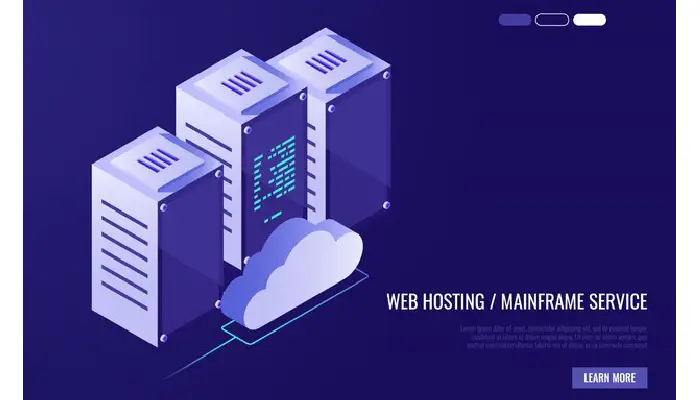
In cloud computing environments, the role of an application for load balancer becomes even more critical due to the inherent complexity and dynamism of cloud architectures. With resources distributed across multiple cloud providers and geographic locations, load balancers facilitate seamless communication between client requests and cloud-based services. This capability is essential for ensuring that users experience low latency and high availability, regardless of their location or the server handling their request.
Cloud environments are characterized by their elastic nature, allowing organizations to scale resources up or down based on demand. An application for load balancer plays a vital role in managing this elasticity by automatically distributing traffic among available resources, ensuring optimal utilization of cloud instances. This dynamic scaling capability is essential during peak traffic periods, such as sales events or product launches, where demand can spike unexpectedly.
How To Implement An Application For Load Balancer In Your Infrastructure?
Implementing an application for load balancer in your infrastructure requires careful planning and consideration to ensure a successful deployment. The first step is to assess your current infrastructure and identify the specific requirements of your applications. This includes understanding traffic patterns, peak usage times, and any performance bottlenecks that may exist. Gathering this information will help you choose the right load balancing solution and configure it effectively.
Next, consider the architecture of your application and how it will interact with the load balancer. Determine whether you need a hardware or software load balancer, as this decision will significantly impact the deployment process. Hardware load balancers are typically more expensive and may require additional physical infrastructure, while software load balancers can be deployed on existing servers or in the cloud, offering more flexibility and scalability.
Common Challenges In Using Application For Load Balancer And Overcome Them
While application load balancers offer significant benefits, there are also challenges that organizations may encounter when implementing and managing these solutions. One of the most common challenges is configuration complexity. Load balancers can be intricate to set up, especially in environments with multiple applications and servers. To overcome this challenge, it’s essential to invest time in thorough planning and documentation. Developing a clear understanding of the architecture and traffic patterns before configuring the load balancer can help simplify the process.
Another challenge is the potential for performance bottlenecks. If not configured correctly, a load balancer can become a single point of failure or a performance hindrance if it cannot handle the incoming traffic effectively. To mitigate this risk, organizations should consider deploying multiple load balancers in a failover configuration and regularly monitoring their performance. Load balancers should be tested under various load conditions to ensure they can handle peak traffic without degrading application performance.
Is An Application For Load Balancer Worth The Investment?
Evaluating the costs associated with implementing an application for load balancer is essential to determine if it is a worthwhile investment for your organization. The initial costs may include hardware or software licenses, installation, and configuration expenses, as well as ongoing maintenance and support. It’s crucial to conduct a comprehensive cost analysis that takes into account both direct and indirect costs.
Direct costs are typically easier to quantify and include purchasing the load balancing solution, training staff, and potential infrastructure upgrades. Organizations should also factor in operational costs, such as power consumption, cooling requirements, and physical space in data centers if using hardware load balancers. In the case of software load balancers, subscription or licensing fees must be considered, along with any additional costs associated with cloud services if applicable.
Real-World Applications Of Load Balancer Solutions In Diverse Industries
Load balancer solutions have found applications across various industries, each leveraging the technology to address specific challenges and improve operational efficiency. In the e-commerce sector, for instance, load balancers are essential for managing high volumes of traffic, particularly during sales events or holiday seasons. By distributing user requests across multiple servers, e-commerce platforms can maintain fast response times, ensuring that customers have a seamless shopping experience even during peak traffic.
In the healthcare industry, application load balancers play a crucial role in managing the flow of sensitive patient data. With the increasing reliance on telehealth services and electronic health records, load balancers help ensure that applications remain accessible and performant, allowing healthcare providers to deliver timely and effective care. Additionally, load balancers contribute to the security of sensitive data by acting as a barrier between users and backend systems, filtering out potential threats and ensuring compliance with regulations such as HIPAA.
The Future Of Application For Load Balancer: Trends And Innovations
The future of application for load balancer solutions is poised for significant evolution, driven by emerging trends and innovations in technology. One of the most notable trends is the increasing adoption of artificial intelligence (AI) and machine learning (ML) in load balancing solutions. These technologies can enhance traffic management by providing intelligent analytics that predict traffic patterns and adjust load balancing strategies accordingly. By leveraging AI, organizations can optimize resource utilization, improve performance, and proactively address potential bottlenecks before they impact user experience.
Another trend is the growing importance of automation in managing load balancing configurations. As cloud environments become more complex, organizations are seeking ways to automate the deployment and management of load balancer solutions. This trend includes integrating load balancers with orchestration platforms like Kubernetes, enabling automatic scaling and management of resources based on real-time traffic demands. Automation can streamline operations, reduce human error, and enhance the overall efficiency of IT teams.
Conclusion
In summary, the application for load balancer is an indispensable tool in modern network architectures, enabling organizations to optimize application performance, ensure high availability, and enhance security. By distributing incoming traffic across multiple servers, load balancers not only improve response times but also protect against server overload and potential downtime. As businesses continue to evolve in response to increasing digital demands, the importance of load balancers will only grow, particularly in cloud computing environments and distributed architectures.
Resource URL:
https://en.wikipedia.org/wiki/Load_balancing_(computing)
https://www.edgenexus.io/products/load-balancer/

Laura Coleman is a seasoned writer specializing in the dynamic field of business administration. With a knack for unraveling organizational complexities, Laura crafts insightful narratives that illuminate the intricacies of modern business practices.